

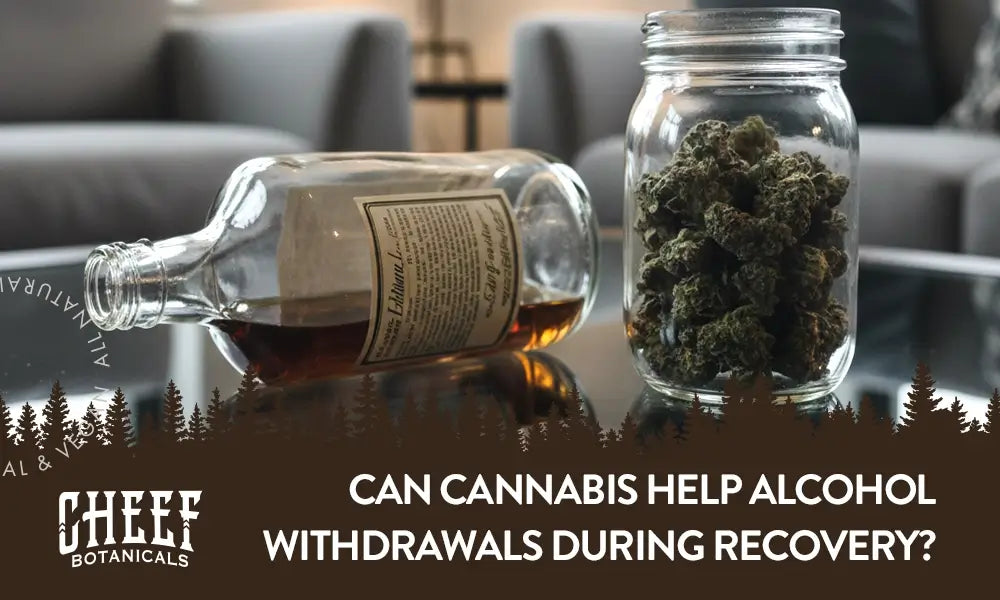
What happens when quitting alcohol doesn't go as planned? Can cannabis help alcohol withdrawal, or does it move the problem sideways? When symptoms hit within hours, the pressure to find alternatives rises fast.
That is why cannabis substitution keeps coming up. Some people say it helps them dial back drinking. Others notice that mixing alcohol and cannabis clouds progress instead of clearing it.
Science has not given a clear yes or no. Lab research shows short-term drops in drinking urges. Real recovery often looks messier than controlled settings. Add the difference between THC and CBD, and the picture becomes more complex.
This guide moves past assumptions and loud headlines. It explains what is known and what remains under review. It also shows why medical oversight stays part of the conversation when withdrawal risks rise.
Understanding Alcohol Withdrawal
Alcohol can slip into your daily routine through work pressure, social habits, or nightly wind-down rituals. Over time, repeated use can turn into patterns linked to alcohol use disorders. This is especially true when binge drinking becomes part of the cycle.
Once your body adjusts to steady intake, internal systems begin to expect alcohol to be there. Cutting back or quitting then triggers alcohol withdrawal. That response reflects biology, not a lack of discipline or control.
During withdrawal, your brain works to rebalance signals altered by long-term substance use. That reset process can feel uneven and unpredictable from day to day. Clear awareness of how habits form is important. It helps you view withdrawal as a physical adjustment, not a personal shortcoming.
That perspective supports smarter choices when planning how to reduce alcohol consumption. It helps set up safer decisions and steadier progress moving forward.
What Causes Alcohol Withdrawal?

Alcohol withdrawal develops after repeated drinking reshapes how your brain manages balance. Regular exposure lowers the influence of GABA, the calming signal. At the same time, it pushes glutamate, the activating signal, into overdrive.
Once alcohol intake stops, that balance shifts quickly. Your brain responds with heightened activity. This can lead to discomfort linked to withdrawal. Many alcohol related behaviors can also surface during early recovery. This response reflects physical adaptation, not mindset or motivation. That same shift explains why medical settings often rely on prescription medications. These help slow the rebound and reduce risk.
Research also tracks how alcohol and cannabis affect these pathways differently. Outcomes still vary based on individual patterns of use. Knowing what is happening biologically gives a clearer context for timing and support. It also helps you make safer decisions as your body resets.
Common Symptoms of Alcohol Withdrawal
When quitting follows prolonged or heavy alcohol consumption, your body reacts quickly. The sudden absence triggers that response. Alcohol suppresses certain brain signals over time. Once intake stops, those signals rebound as your system works to regain balance.
That shift leads to alcohol withdrawal symptoms. Severity varies based on your history of alcohol use. Patterns tied to alcohol-related behaviors also play a role. Common symptoms often appear within the first day and may include:
- Irritability
- Shakiness
- Restlessness
- Fatigue
- Difficulty concentrating
- Trouble sleeping
- Sweating
For many people, symptoms ease after several days. In rare cases, severe reactions like delirium tremens can develop. These may include fever, seizures, confusion, or hallucinations that require immediate care.
Awareness matters for cannabis users weighing cannabis substitution while trying to reduce alcohol intake. Overlapping changes can blur warning signs. Early recognition supports safer decisions and helps prevent avoidable complications.
Can Cannabis Help Alcohol Withdrawal?

Many people are exploring cannabis as a possible option. This often comes up when managing alcohol withdrawal does not feel straightforward. Interest centers on how cannabis interacts with the endocannabinoid system. This system plays a role in mood, sleep, and internal balance.
During withdrawal, that interaction may feel stabilizing. It can help when restlessness or agitation appears early. Attention around cannabis and alcohol use has grown. Some people notice fewer alcohol cravings once cannabis enters the picture.
If quitting cold turkey feels unrealistic, substituting cannabis may seem like a temporary bridge. It can feel more manageable than an all-or-nothing move. That idea appears in limited research, including small randomized controlled trial designs. Results remain mixed and not conclusive.
Cannabis should not be viewed as a cure or a guaranteed substitute for alcohol. Outcomes vary based on dose, product type, and personal history. Grounded expectations help when weighing options as research continues.
Potential Benefits of Cannabis During Withdrawal
Cannabis may offer added support for people looking for help with alcohol withdrawal. This is critical when flexibility matters. During alcohol abstinence, the body and mind both adjust, and that shift can feel uneven. Cannabis interacts with systems linked to mood, sleep, and appetite. That may help smooth that transition. This approach often appeals when structured programs or rigid timelines feel limiting.
For some people, cannabis fits into routines already familiar to medical cannabis patients. In those routines, product type and dose are chosen with care. Compared with heavy alcohol use, cannabis carries a lower risk profile in many settings. When used responsibly, it also shows fewer interactions with other drugs.
Potential benefits during withdrawal may include:
- May help steady mood during recovery
- Might reduce alcohol cravings
- Supports appetite during adjustment
- Eases agitation and restless feelings
- Offers a lower-risk option than heavy alcohol use
- Appeals to those not ready for full abstinence
Results vary, so expectations stay grounded. Cannabis works best as one piece of a thoughtful recovery plan.
How Cannabis Interacts with the Body During Alcohol Detox
Cannabis works through the ECS. This system helps regulate mood, sleep, appetite, and internal balance. During alcohol detox, that balance often feels disrupted.
Restlessness, uneven sleep, and heightened emotions often surface as the body adjusts. Consuming cannabis during this phase may influence those receptors. It can feel more settling as the system recalibrates.
Cannabinoids like THC and CBD interact with receptors in the brain and throughout the body. That interaction can affect processes that shift during alcohol withdrawal. This includes mood stability and appetite changes.
Some people notice fewer urges tied to alcohol cravings. This can happen when reward pathways receive input from cannabinoids instead of alcohol. That shift can make quitting feel less abrupt, especially during early detox.
Context still matters. Cannabis does not act in isolation. Responses vary based on dose, product type, and personal history. Effects also differ when cannabis is compared with other psychoactive substances. Some substances can place added strain on the nervous system during detox.
Provides a Mild Buzz in Place of Getting Drunk
For many people easing away from alcohol, cannabis offers a lighter sensation. It often feels more controlled than getting drunk. The effect tends to feel calmer and less overwhelming. This can help keep awareness intact during social time or quiet evenings. Compared with alcohol, coordination and judgment usually feel steadier. The experience feels easier to manage.
That mild buzz can feel useful during early recovery. The familiar sense of “something taking the edge off” often shapes drinking habits. Cannabis can fill that space without pushing extremes tied to heavy alcohol use. Over time, that shift may help reduce the urge to reach for another drink when habits surface.
Ritual also plays a role. The act of sipping, relaxing, or sharing a moment often matters as much as the substance. Replacing that routine with cannabis can feel familiar without reinforcing old drinking patterns. Used with intention, this approach creates breathing room. It allows heavy drinking habits to reset as confidence builds during recovery.
Key Cannabinoids for Alcohol Withdrawal Support

Cannabinoids are natural compounds in cannabis that interact with your ECS. During alcohol detox, different cannabinoids can support different needs. That depends on how your body responds. Each one brings a distinct profile, giving options instead of a single approach.
- CBD (Cannabidiol). CBD does not create a euphoric effect. It may steady restlessness and support more consistent sleep. It can also ease agitation that may appear during withdrawal. This option often fits when clarity matters.
- THC (Tetrahydrocannabinol). THC produces a mild euphoric effect at lower amounts. Used carefully, it may support relaxation and take the edge off alcohol cravings. Dosing matters here, since sensitivity varies between people.
- CBG (Cannabigerol). Often described as a precursor cannabinoid, CBG may act as an appetite booster. It may also support emotional balance when energy or interest in food runs low.
- CBN (Cannabinol). CBN is often linked to nighttime use. Its soothing profile may help when sleep feels disrupted during detox.
Understanding how each cannabinoid behaves gives more control. It helps match options to recovery needs.
The Role of CBD in Easing Anxiousness and Discomfort
CBD works differently from THC, and that difference matters during recovery. It does not directly bind to brain receptors. It affects how the endocannabinoid system regulates mood and physical discomfort. That indirect action can feel steadying. It may help when anxious behaviors appear during alcohol dependence recovery. CBD does not create a euphoric effect. Clarity and focus remain while support is added.
Interest in CBD has grown as people look for options during alcohol withdrawal. Many want relief without replacing one impairment with another. Results vary between people. Outcomes depend on consistency, dose, and personal history. Research continues to track treatment outcomes. CBD often fits best as part of a broader plan rather than a standalone fix. Expectations stay grounded. Progress remains personal.
THC's Potential for Supporting Relaxation and Sleep
THC interacts directly with receptors in your brain. That explains why its effects feel more noticeable. This interaction may support relaxation. It can also help settle sleep patterns when rest feels disrupted during alcohol withdrawal. For people managing alcohol dependence, calmer nights can make recovery feel more manageable.
Lower amounts of THC may ease muscle tension and quiet racing thoughts that interfere with sleep. That support can feel helpful when exhaustion builds. Caution remains important, especially for heavy drinkers. Higher amounts may feel disorienting or overwhelming.
THC also comes with practical considerations. Intoxicating effects can affect focus. Use may result in a positive urine drug test depending on timing. Thoughtful use helps keep expectations realistic. THC remains one option within a broader recovery plan.
Comparing Cannabis with Traditional Alcohol Withdrawal Treatments
Traditional alcohol withdrawal care often relies on prescription medications, counseling, and structured programs. Doctors may use benzodiazepines to manage early symptoms. Therapy and group support often focus on behavior change and emotional stability. These tools work for many people. Clinical settings can feel rigid when flexibility matters.
Cannabis enters the conversation as a different option. Compounds like CBD and THC interact with systems tied to sleep, mood, and comfort. Some people find this easier to fit into daily routines. That helps explain the interest. Clinicians still do not recommend replacing alcohol with cannabis as a universal solution.
Each path carries trade-offs. Traditional care offers close medical oversight. Cannabis may feel more adaptable in some situations. Knowing how each approach functions helps guide support choices.
Pros and Cons of Using Cannabis for Withdrawal Support
Cannabis can fit into alcohol withdrawal for some people. But clarity matters before adding it to your recovery plan. The goal is not quick relief. The goal is a steadier footing while your body and habits reset. That balance starts with understanding where cannabis may help. It also means knowing where it can complicate progress.
Potential Upsides
- Reduces cravings naturally. Cannabis may interact with the ECS in ways that take the edge off alcohol cravings.
- Supports relaxation and sleep. Sleep disruption and restless nights are common during withdrawal. Cannabis may help settle the nervous system when rest feels out of reach.
- Offers a flexible approach. Adjusting timing, product type, and dose can feel more manageable than rigid programs. This is especially true when structure feels overwhelming.
- Eases physical discomfort. Compounds like CBD and THC may help steady mood. They can also help reduce physical tension tied to withdrawal. You won't experience the intensity linked to heavy drinking.
Possible Downsides
- Risk of overuse. Without clear boundaries, use can slide into cannabis use disorder. Those with a history of drug abuse or addictive patterns are particularly at risk.
- Impact on daily responsibilities. THC can affect focus and coordination. Both are important for work, driving, and decision-making. Starting low and choosing balanced THC-to-CBD ratios helps reduce this risk.
- Limited long-term data. Research on cannabis during alcohol withdrawal remains limited. That means responses vary and outcomes are not guaranteed.
Weighing these points helps you decide whether cannabis supports recovery or adds friction. Used with intention, it may offer support. Used carelessly, it can create new challenges.
How Might Cannabis Complement Other Treatments?
Cannabis can fit alongside traditional alcohol withdrawal care when used with intention. Support often works best when discomfort feels manageable enough to stay engaged.
The plant's prominent compounds may help settle restlessness and improve sleep quality. That can make counseling, support groups, and daily structure easier to maintain. When nights feel steadier, focus during the day often improves.
Cannabinoids also interact with systems tied to emotional regulation. This can help with mental health as routines shift. That added stability may help you stay present during alcohol addiction therapy. You do not have to power through discomfort.
Cannabis does not replace professional care. Still, it can serve as a supporting tool when plans are coordinated. When used with care, it offers flexibility without slowing recovery.
Safe Ways to Use Cannabis for Alcohol Withdrawal
Using cannabis for alcohol withdrawal requires care and restraint. You benefit most by choosing the right dosage and sticking to controlled methods. Thoughtful decisions help reduce the risk of overuse and cannabis use disorder. With awareness and consistency, cannabis may support your recovery journey. This option helps you avoid new complications or unnecessary setbacks.
Finding the Right Dosage
Finding the right cannabis dose shapes how withdrawal unfolds. Starting low is advised. A range of 2.5 to 5 milligrams of THC gives your system room to respond without feeling overwhelmed. CBD works differently. Because it stays non-intoxicating, larger amounts can support calm without a “high.”
Feedback from your body guides adjustments. Small increases over time show what fits without rushing the process. Product strength, timing, and tolerance all matter. Professional input also plays a role. A brief check-in with a doctor helps align choices with safety during early withdrawal. Thoughtful dosing keeps potential benefits within reach while protecting focus and balance.
Methods of Consumption
Your preferred cannabis consumption method shapes how it feels during recovery. Timing, intensity, and control change based on the method you use. Starting small keeps the process steady and lowers the chance of overdoing it. Comfort matters here. The goal is to support without adding disruption as your body adjusts.
Each method comes with trade-offs. Matching the option to your needs helps keep things manageable:
- Edibles. Effects last longer, but patience is required. Onset can take 30 minutes to 2 hours. A low starting amount and more time between doses help prevent stacking effects.
- Tinctures. Taken under the tongue, tinctures absorb faster and allow more precise control. They work well when consistency matters.
- Vaping. Effects arrive quickly, making it easier to gauge response in real time. Careful pacing keeps intake from rising too fast.
- Topicals. Creams and balms remain non-intoxicating. They target localized physical discomfort without entering the bloodstream.
Choosing the right method adds flexibility while keeping recovery steady and manageable.
Where to Get the Best Legal Cannabis Goods

Finding quality cannabis products plays a big role during alcohol withdrawal. You benefit most from brands that focus on transparency and lab testing. These brands also offer consistent THC and CBD options like gummies or concentrates. Access depends on location. In cannabis-friendly states, trusted local dispensaries offer another reliable option with knowledgeable guidance.
Choosing Reliable and Safe Sources
Choosing where you buy cannabis affects quality, consistency, and peace of mind. You want sources that show their work, not vague promises. Cheef Botanicals delivers third-party lab-tested products with clear Certificates of Analysis (COA). That means you know exactly what you’re getting. Whether shopping online or locally, stick with transparent sellers. That way, you can avoid mislabeled products, unwanted additives, and unnecessary guesswork.
Tips for Identifying Quality Cannabis Products
Finding quality cannabis products feels simpler once you know what to check. Labels and certifications offer quick signals, but details confirm reliability. A short review keeps surprises low and expectations clear.
- Look for lab testing. Third-party reports with a visible COA show potency and screen for contaminants.
- Check clear labeling. Accurate THC, CBD, and cannabinoid totals help you plan portions and timing.
- Avoid harmful additives. Clean formulas without synthetic fillers support consistent results.
- Read reviews. Patterns across customer feedback reveal batch-to-batch reliability.
Spending a few minutes on these steps helps you choose with confidence. Better information leads to steadier outcomes. This is especially true when consistency and transparency support recovery decisions. That focus limits uncertainty and builds trust across purchases over time consistently.
Why Choose Cheef Botanicals for Cannabis Options?

Choosing a cannabis brand during recovery comes down to trust, consistency, and transparency. You want products that feel predictable, clean, and easy to fit into daily routines. Cheef Botanicals focuses on those details, so decisions feel simpler when quality matters.
- Options and Variety. You get CBD and THC gummies in multiple flavors and strengths. THCa and CBD flower and high-potency concentrates are also available. Disposable and cartridge vapes round out the lineup. This gives you flexibility to match timing, taste, and tolerance. A quick visit to the shop helps you find what fits your vibe.
- Commitment to Natural Ingredients. Formulas rely on natural, vegan-friendly ingredients and avoid artificial additives. That approach keeps experiences consistent and reduces unwanted surprises.
- Lab-Tested for Safety and Potency. Every batch is third-party tested, with Certificates of Analysis available to review. Clear reports confirm cannabinoid levels and screening standards. Meaning, labels match what you receive.
Let reliability and clarity guide your choices. Cheef Botanicals delivers options you can enjoy with confidence. Customer support, transparent sourcing, and steady inventory add reassurance. They make it easier to select formats and strengths. You can also choose based on delivery styles that match changing preferences.
Frequently Asked Questions About Cannabis and Alcohol Withdrawal
Is cannabis safe to use during alcohol detox?
CBD is generally seen as a lower-risk option. It does not cause intoxication and may ease discomfort. THC needs more care since its effects feel stronger. It can also influence focus or coordination. Starting with low amounts and adjusting slowly helps limit unwanted effects during detox.
Can cannabis be combined with medications for withdrawal?
Caution is important when combining cannabis with withdrawal medications. Some prescriptions interact with cannabinoids and may alter how they work. Checking with a doctor helps prevent issues and keeps use aligned with safety goals.
Final Thoughts - Clear Choices, Stronger Ground
Alcohol withdrawal takes time and honest decision-making. Every option deserves careful thought. Cannabis can be part of the picture, but only when expectations are realistic. Knowing how it affects your body helps you make clearer choices and avoid mistakes. That'll keep your progress moving in the right direction.
Cheef Botanicals offers lab-tested cannabis made with consistency and transparency in mind. Choosing reliable products helps you stay focused on your goals and make smarter decisions. Recovery responds to intention, and meaningful progress begins with the choices you make next.

 CBD Gummies - Top Seller
 CBD + THC Gummy - Excellent Choice
 Northern Lights - Highly Rated
 Full Spectrum CBD Oil - Good Value



Leave a comment
This site is protected by hCaptcha and the hCaptcha Privacy Policy and Terms of Service apply.