

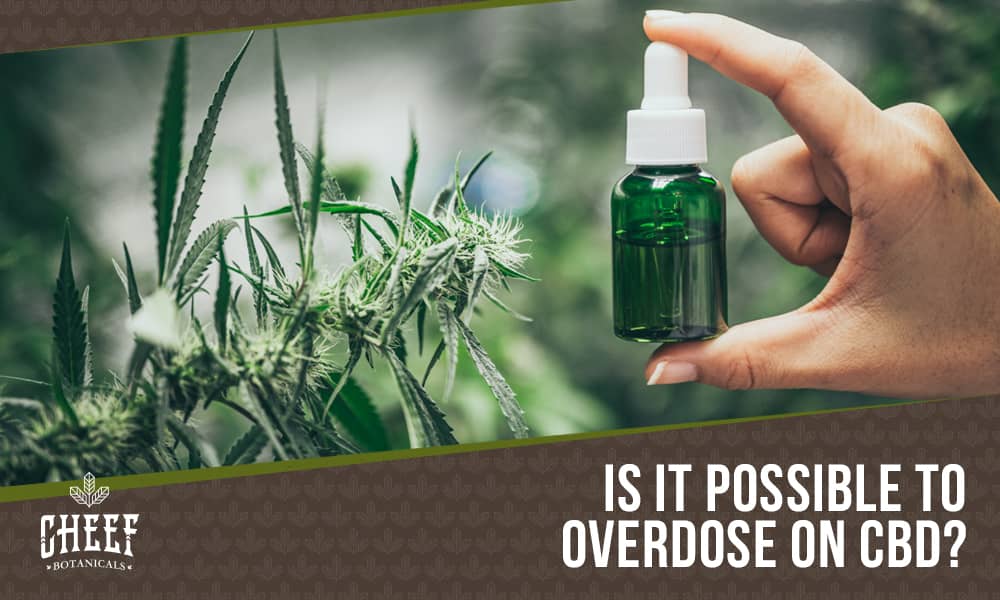
Can you overdose on CBD? It’s a fair question, especially when this hemp favorite pops up in oils, gummies, capsules, drinks, and just about everything in between. The good news is that CBD is non-intoxicating, not considered addictive, and has a very high safety margin, which already puts it in a different lane from many compounds.
Still, more isn’t always better. Your ideal amount depends on your body, your routine, and how you take it. So, what actually happens if you go overboard, and how much is too much? Let's find out.
Is CBD Oil Addictive?
Short answer? No, CBD oil is not considered addictive. It interacts with your body very differently from THC, so you don’t get intoxicating effects or the same patterns linked to dependence.
CBD comes from the cannabis plant, but unlike THC and other natural compounds, it works more indirectly. Instead of binding strongly to cannabinoid receptors, it helps regulate your endocannabinoid system (ECS). This creates balance without triggering reward-driven responses associated with substance abuse.
The World Health Organization reported that CBD shows no potential for abuse based on human trials. That finding aligns with broader clinical data, which adds support to the idea that CBD is generally safe for most people. Even at higher intake levels, concerns about addiction do not come up.
There’s also research pointing in an interesting direction. A 2015 study suggested that CBD may help reduce behaviors linked to nicotine and cannabis dependence. That opens the door for further research into its broader role in habit-related patterns.
For everyday use, hemp-derived CBD products offer a steady, non-intoxicating option. As long as you stick to a proper dosage and choose high-quality CBD oil, CBD consumption fits smoothly into most routines.
Can You Build a Tolerance to CBD Oil?

Your body usually does not build a typical tolerance to CBD oil the way it does with caffeine or sugar. That means you are less likely to need higher and higher amounts just to feel the same results.
Tolerance happens when your system becomes less responsive over time. This can happen in a few ways. Cellular tolerance affects how your cells respond to compounds. Metabolic tolerance affects how much reaches your system. Behavioral tolerance reflects how the experience feels more familiar with repeated use.
With CBD consumption, things work a bit differently. Instead of pushing your system harder, CBD interacts gently with your body’s natural balance. Some people even notice they need less CBD after consistent use, which adds an interesting twist to how it works long term.
Your experience still depends on personal factors. Your body weight, routine, and even prior medical conditions can influence results. Sticking to a proper dosage or a recommended dose helps keep things consistent without drifting into high doses unnecessarily.
CBD Can Create Reverse Tolerance
THC tends to push your cannabinoid receptors harder with repeated use, so your system responds less over time. Some receptors even pull back inside cells, which reduces how strongly THC can interact with your body.
CBD takes a different route. It does not bind directly. Instead, it supports your body's endocannabinoid system by encouraging your body to produce its own balancing compounds. That gentle activity creates a form of consistent stimulation without overwhelming your system.
This is often called reverse tolerance. With frequent CBD use, some people notice they need smaller amounts to get the same results. That makes finding the right CBD dosage feel more natural in the long run.
Of course, personal factors are at play, too. Your routine, your system, and how you’re incorporating CBD all influence the experience. Starting with a typical dose helps you stay consistent while avoiding unnecessary adjustments.
Can You Overdose on CBD?
Let’s clear this up right away. Can you overdose on CBD? The evidence points to no. A true lethal overdose from CBD is considered virtually impossible, even at extremely high intake levels.
To put that into perspective, researchers estimate a toxic dose of CBD to be near 20,000 mg. That would mean consuming thousands of CBD supplements or dozens of bottles of CBD oil in one sitting. Not realistic, and definitely not recommended.
Even then, CBD does not affect the brain stem the way opioids do. This part of the brain controls breathing and heart function. If you ask, "Is CBD safe?" This difference pretty much provides a clear answer.
That said, taking very high doses may still lead to temporary adverse effects like dry mouth or an upset stomach. These responses are not life-threatening, but they are worth noting.
For best results, stick to a recommended dosage and choose high-quality CBD products you can trust.
Related Post: Can You Get CBD Withdrawal?
How to Tell If You've Taken Too Much CBD
There’s no such thing as a CBD overdose, but taking more than your body needs can still feel uncomfortable. When CBD doses climb too high, your system may respond with mild and temporary negative side effects.
Here are a few signs you've taken too much CBD:
- Dry mouth that lingers longer than usual
- Changes in appetite, either higher or lower
- Strong drowsiness that makes it hard to stay alert
- Low energy or that heavy, sluggish feeling
- Upset stomach or general stomach troubles
- Loose stools or digestive discomfort
- Lightheaded or slightly dizzy sensations
These responses are not dangerous, but they are your body’s way of saying you've taken large doses and need a reset. Your ideal amount depends on personal factors, such as body weight, routine, and even other medications.
If you ever feel unsure, a quick check with a healthcare professional can help. Sticking with high-quality CBD products and adjusting your intake slowly makes CBD consumption feel smoother and more predictable.
How Much CBD Oil Should You Take?
Finding your ideal amount of CBD oil is more personal than one-size-fits-all. Your body weight gives you a solid starting point. A common guideline suggests about 0.25 mg per pound for a regular amount and 0.5 mg per pound for a stronger option.
Here’s a quick breakdown to keep things simple:
- 120 pounds: 30 mg / 60 mg
- 140 pounds: 35 mg / 70 mg
- 160 pounds: 40 mg / 80 mg
- 180 pounds: 45 mg / 90 mg
- 200 pounds: 50 mg / 100 mg
- 220 pounds: 55 mg / 110 mg
- 240 pounds: 60 mg / 120 mg
Think of these as starting points, not strict rules. Your routine, tolerance, and personal factors all influence how your body responds. That is why easing in with lower CBD doses often works best.
Consistency helps your system respond more predictably. Many people space their intake every eight hours for steady results. Others adjust based on their schedule and goals.
You also want to be mindful of other medications or prescription medications, since they can affect how CBD works in your system. This is part of understanding overall safety and side effects.
Choosing high-quality CBD oil from trusted sources goes a long way. Clean formulas, clear labeling, and proper testing give you better control over your intake. Take a look at our CBD Dosage Chart for more guidance.
Best Ways to Take CBD

Choosing how you take CBD can shape how quickly you feel it and how long it lasts. Some methods work fast, while others offer a slower, steadier experience. Options range from oils to edibles and even topical CBD, each with its own pace and feel. Below, you’ll see which method fits your routine best and what to expect.
Oral and Sublingual Applications
Taking CBD oil under your tongue is one of the quickest ways to feel its effects. This method is known as cannabidiol administration through sublingual use. Place your dose under your tongue and hold it there for about 30 seconds. Then spread any remaining liquid across your cheeks before swallowing.
This area has small blood vessels that absorb CBD quickly into your bloodstream. Many people notice effects within minutes. Using high-quality CBD oil helps keep your experience consistent. Clean formulas and accurate dosing may reduce the chance of adverse reactions, making each use feel smoother and more predictable.
Edibles, Capsules, and Recipes
Prefer something tasty? Edibles and capsules offer a slower, more relaxed way to enjoy CBD. Your body processes them through digestion, so effects usually appear within 30 minutes to an hour, depending on your metabolism and recent meals. This method often feels more enjoyable since you can mix CBD into recipes like drinks, baked treats, or even savory dishes.
CBD gummies also keep things simple and flavorful. Some options use pure CBD or CBD isolate, which gives you more control over what you consume. Just be mindful of timing and portions, since taking too much CBD oil at once can feel uncomfortable.
CBD Flower
CBD flower offers a more direct way to experience hemp in its natural form. These dried buds contain cannabidiol, terpenes, and other plant compounds that work together. When smoked or vaporized, the compounds enter your bloodstream through the lungs, so effects are felt quickly.
Many people choose this method for its full-spectrum profile and bold flavor. You get the richness of the plant without intoxicating effects, since THC stays at 0.3% or lower. Research, including relevant animal studies, continues to explore how inhaled cannabinoids interact with the body. While the cannabidiol adverse effects are usually mild, pacing your intake helps you stay comfortable.
Vaping Options
Need results fast? Vaping delivers CBD almost instantly. This method sends CBD through your lungs, where tiny air sacs absorb it straight into your bloodstream. That high bioavailability is why many people feel effects in under a minute. This quick response gives you more control.
You can take small puffs and adjust your intake without waiting long. It is a simple way to fine-tune your routine in real time. Still, it's important to understand how your body responds. If you take other medications, drug interactions may influence how CBD feels, so pay attention to your experience.
Topical Applications
Sometimes, you don’t need CBD to travel through your whole system. Topical products work right where you apply them. These include creams, balms, and lotions infused with CBD oil and skin-friendly ingredients. Applying CBD oil alone may not do much, but well-formulated topicals are designed to work with your skin. They absorb into the surface layers and target specific areas quickly.
Many people use them for localized discomfort or skin concerns. You may feel soothing effects within minutes, especially with consistent use. Research, including statements referenced by the World Health Organization, suggests CBD is well tolerated in topical use when applied as directed.
Final Thoughts
CBD is not about chasing extremes. It is about finding your rhythm and choosing what works for you. Full-spectrum CBD oil brings the plant’s natural compounds together, creating a more complete experience without tipping into intoxicating effects.
Quality separates a smooth, reliable experience from one that feels inconsistent. With so many options out there, choosing the right brand makes a difference you can actually feel.
There is no known lethal dose, but your choices still matter. Pick products you trust, stick with a thoughtful routine, and enjoy the experience with confidence. At Cheef Botanicals, we focus on clean, well-crafted formulas backed by testing and transparency. Our high-quality CBD products are made to deliver consistent results.

 CBD Gummies - Top Seller
 CBD + THC Gummy - Excellent Choice
 Northern Lights - Highly Rated
 Full Spectrum CBD Oil - Good Value


Leave a comment
This site is protected by hCaptcha and the hCaptcha Privacy Policy and Terms of Service apply.