

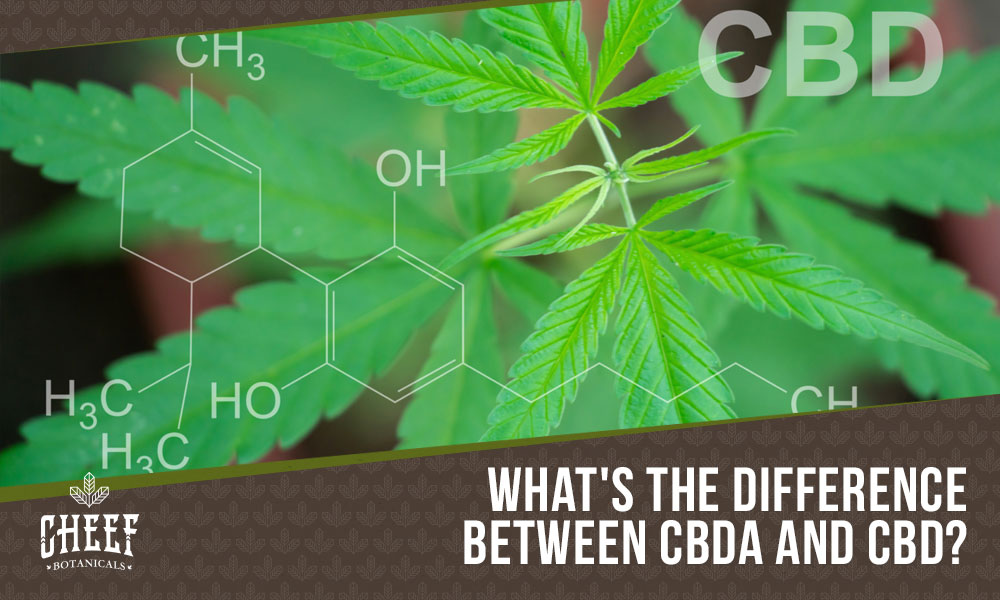
There’s always something new happening in the world of hemp-derived cannabinoids. From evolving research to newly discovered compounds, the cannabis plant continues to surprise us. In fact, scientists have identified over 100 cannabinoids—each with unique properties and potential effects, including other cannabinoids with potential therapeutic uses.
Two of the most commonly discussed are CBD and its raw precursor, CBDa. While they’re closely related, they’re not the same. CBDA is a lesser-known but significant compound in the same family as CBD. Understanding the difference between CBDa and CBD can help you choose the right product for your needs.
CBDa, short for cannabidiolic acid, is the natural, unprocessed form of CBD, found in the raw cannabis plant in its natural state. Through a process called decarboxylation (heat exposure), CBDa transforms into CBD—the compound most people are familiar with today. But does that mean one is better than the other? Let’s break it down.
Key Highlights
- CBDa is the raw acidic precursor to CBD, found naturally in unheated hemp plants before decarboxylation occurs.
- CBD forms when CBDa is exposed to heat, which changes its chemical structure and how it interacts with the body.
- Both CBDa and CBD are non-intoxicating cannabinoids that do not produce the psychoactive effects associated with THC.
- CBD is more widely available in oils, gummies, capsules, topicals, and wellness products, while CBDa is usually found in raw tinctures, capsules, and unheated extracts.
What is CBDa (Cannabidiolic Acid)?

CBDa is the acidic precursor to CBD, meaning it exists in raw hemp before heat is applied. CBDA is found in hemp plants, which are the natural source of this compound. Think of it like cookie dough before it becomes baked cookies—CBDa is the original form, while CBD is the finished product.
When hemp is exposed to heat (via smoking, vaping, or extraction), CBDa loses its carboxyl group through decarboxylation, converting into CBD. This transformation changes how the compound interacts with the body. CBDA can also be consumed in its natural form by using the hemp plant's leaves or flowers in culinary dishes, such as salads and smoothies, or by making tea with raw CBDA flower buds.
Is CBDa the Same as CBD?
CBDa and CBD are different cannabinoids, but they’re closely connected. CBDa is the “parent” compound, and CBD is what it becomes after heating. Both CBDA and CBD are non-psychoactive and do not produce psychoactive effects.
Without CBDa, CBD wouldn’t exist—but once converted, they behave differently in the body and may offer distinct effects.
CBDA is generally considered to have the same legal status as CBD, as both are non-psychoactive and derived from hemp.
What is CBD (Cannabidiol)?
CBD, or cannabidiol, is one of the most abundant cannabinoids found in hemp, making up a significant portion of its extract. Unlike THC, CBD is non-psychoactive, meaning it won’t cause a “high.” Unlike marijuana, which contains higher levels of THC and produces psychoactive effects, CBD and CBDA are non-intoxicating components derived from cannabis.
CBD has become widely popular due to its versatility and accessibility. Today, you’ll find it in products like:
- Oils and tinctures
- Capsules and softgels
- Edibles (like gummies)
- Topicals (lotions, balms, creams)
- Bath and wellness products
CBDa vs CBD: Key Differences
While CBDa and CBD share similarities, several important differences set them apart. CBD is often the dominant cannabinoid found in hemp, while CBDa is its natural chemical precursor in the plant. Both compounds are being studied for their therapeutic potential, and research suggests they may be more effective when combined with other compounds—such as cannabinoids, flavonoids, and terpenes—in full-spectrum products that leverage the entourage effect.
Formation
CBDa is the raw form found in hemp. Before that, there’s CBGa (cannabigerolic acid), often called the “mother cannabinoid,” which converts into CBDa, THCa, and others.
CBDa becomes CBD through heat exposure (around 220–270°F), transforming its chemical structure and effects. During this decarboxylation process, carbon dioxide is released as a byproduct.
How They Work in the Body
Both compounds interact with the body's endocannabinoid system and its receptors, influencing various functions—but in different ways.
- CBD indirectly influences endocannabinoid receptors such as CB1 and CB2, as well as other receptors like serotonin (5-HT1A), adenosine, and TRPV1, supporting mood, relaxation, and recovery.
- CBDa does not strongly bind to cannabinoid receptors, but CBDA inhibits certain enzymes, specifically the COX-2 enzyme involved in inflammation, and interacts more directly with serotonin receptors. Research shows CBDA binds to serotonin receptors up to 100 to 1,000 times more effectively than CBD, contributing to its potent anti-nausea and antidepressant-like effects.
This difference may explain why some users report faster or more targeted effects with CBDa.
Consumption Methods
CBD is widely available and easy to consume in many forms, including oils, gummies, and topicals.
CBDa, on the other hand, is more delicate. Since heat converts it into CBD, it’s usually consumed in:
- Raw tinctures
- Capsules
- Unheated extracts
CBDA oil is often chosen for its higher bioavailability, so users should start with lower doses to achieve the desired effects. For example, if you are accustomed to taking 100mg of CBD, starting with around 25mg of CBDA may be sufficient due to its potency and absorption.
Availability
CBD is far more accessible due to extensive research and widespread demand. CBDa products are less common but growing in popularity, especially in wellness-focused markets. You’ll typically find them in specialty oils or capsules.
Full-spectrum CBD products and oils may contain both CBD and CBDA, along with other cannabinoids, flavonoids, and terpenes, to maximize the entourage effect and provide a broader range of potential therapeutic benefits.
Benefits of CBDa
Although research is still emerging, early findings suggest CBDA may offer unique advantages. CBDA benefits include unique anti-inflammatory and pain-relieving properties, making it beneficial for certain conditions, such as chronic pain. CBDA is being explored for its therapeutic potential, including benefits for pain, inflammation, and other specific health conditions.
Potential Benefits of CBDa:
- May support a balanced inflammatory response (via COX-2 interaction)
- May help regulate serotonin levels (linked to mood and well-being)
- May support digestion and reduce stomach discomfort
- Preclinical studies suggest CBDA may help reduce nausea, particularly during chemotherapy, due to its strong affinity for serotonin receptors involved in nausea regulation. CBDA is also being studied for its potent anti-nausea and antidepressant-like effects.
- May promote focus and overall balance
Benefits of CBD
CBD has been more extensively studied and widely used for general wellness support, with ongoing research exploring its therapeutic applications, including the potential to alleviate anxiety and other potential health benefits.
Common Benefits of CBD:
Supports Relaxation and Mood: CBD may help calm racing thoughts and promote a sense of ease by interacting with serotonin receptors.
- Helps With Physical Discomfort: CBD topicals and oils are commonly used to support recovery after workouts, reduce everyday tension, and may help manage chronic pain. CBD is considered beneficial for various conditions, especially those involving pain and inflammation.
- Promotes Skin Health: CBD-infused skincare products may help soothe irritation and support clearer-looking skin.
- Encourages Appetite and Digestion: CBD may help regulate appetite and ease occasional digestive discomfort.
- Improves Sleep Quality: By promoting relaxation, CBD may help support a more restful, consistent sleep.
CBDa vs CBD: Which One is Better?

There’s no one-size-fits-all answer—it depends on your goals, the desired effects you’re seeking, and the therapeutic potential you hope to achieve.
- Choose CBD if you want a well-researched, versatile option with a wide range of product choices.
- Choose CBDa if you prefer a raw, potentially more potent compound and don’t mind limited availability.
Some people even use both together to benefit from the “entourage effect,” where multiple cannabinoids work synergistically.
Can CBDa Be Found in CBD Products?
Yes—trace amounts of CBDa can exist in some CBD products. Full-spectrum and raw extracts are more likely to contain both compounds, as well as other cannabinoids, flavonoids, terpenes, and other compounds naturally found in the hemp plant.
These additional components contribute to the entourage effect, in which the presence of over 100 other compounds besides CBDa may enhance overall effects. This usually happens when hemp is processed without full heat exposure, leaving some CBDa intact.
Final Thoughts: CBDa vs CBD
CBDa and CBD are closely related but offer different experiences, each providing unique benefits and potential health benefits. CBD remains the more popular option due to its accessibility and research backing, while CBDa is gaining attention for its unique properties and raw form benefits.
If you’re looking for flexibility and convenience, CBD is a great place to start. If you’re curious about newer cannabinoids and want something less processed, CBDa may be worth exploring.
Read more CBD Facts articles here

 CBD Gummies - Top Seller
 CBD + THC Gummy - Excellent Choice
 Northern Lights - Highly Rated
 Full Spectrum CBD Oil - Good Value

Leave a comment
This site is protected by hCaptcha and the hCaptcha Privacy Policy and Terms of Service apply.