

If you’ve recently started exploring CBD, you’re not alone. With its growing popularity, many people find themselves diving into a wave of new information—exciting, but sometimes overwhelming.
As you research further, you’ve likely come across discussions about CBD with THC. Understanding how these two cannabinoids interact can deepen your knowledge of cannabis and help you make more informed decisions.
In this guide, we’ll break down what CBD and THC are, how they differ, and what happens when they’re used together.
What Is CBD?

Cannabidiol (CBD) is one of the most well-known cannabinoids found in the Cannabis sativa plant. Both CBD and THC have the same molecular formula, but their chemical structures differ, leading to distinct effects on the body. CBD is widely used for its potential wellness benefits and is known for being non-intoxicating, meaning it doesn’t produce a “high.”
CBD became federally legal in the U.S. under the 2018 Farm Bill, which removed hemp from the Controlled Substances Act, making hemp-derived CBD legal at the federal level. Hemp is a specific type of cannabis plant characterized by its low THC content and typically contains less CBD than marijuana. Under federal law, marijuana and THC remain controlled substances, while hemp-derived CBD is legal. The FDA has only approved Epidiolex, a CBD product, for the treatment of certain seizure disorders, and most other CBD products are not FDA-approved.
To create CBD products, hemp undergoes an extraction process—often using CO₂ extraction—to isolate beneficial compounds safely and efficiently.
Common Types of CBD Products
People have various options for taking CBD, and the method of taking CBD can influence its effects. CBD is available in a variety of forms, including:
- Oils & tinctures
- Gummies
- CBD gummies (a popular wellness product)
- Softgels
- Edibles
- Vapes
- E-cigarettes or vape pens (some users prefer taking CBD via vaping, but there are complementary and integrative health risks associated with e-cigarette use)
- Hemp flower
- Topicals
What Is CBD Oil?
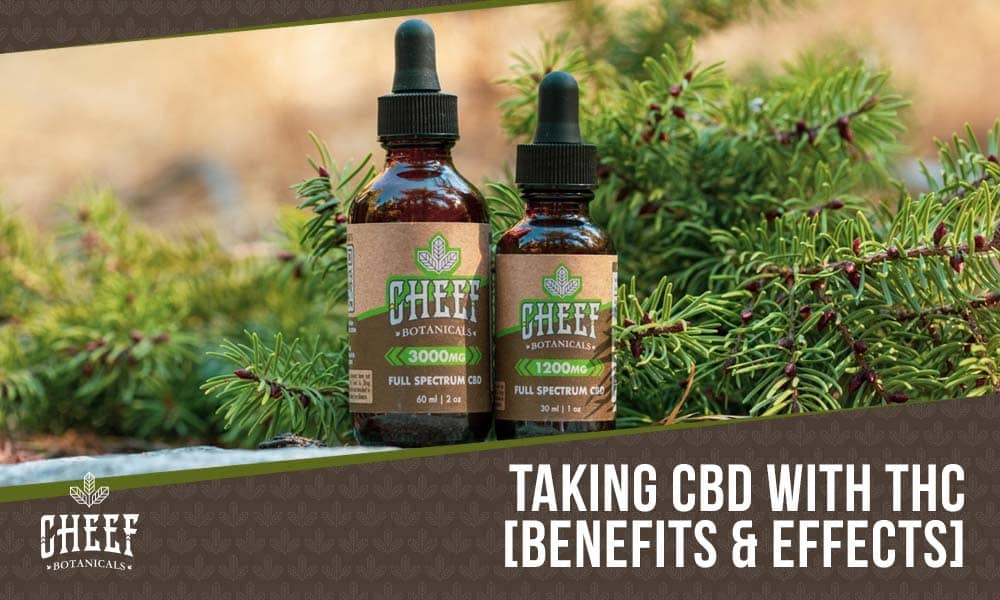
CBD oil is one of the most popular ways to consume cannabidiol. It’s made by combining Cannabis extract with a carrier oil, such as coconut or hemp seed oil. Depending on the product type, CBD oil may also contain other cannabinoids, especially in full-spectrum or broad-spectrum formulations.
Typically packaged in dropper bottles, CBD oil is:
- Easy to dose
- Fast-absorbing
- Discreet and convenient
Because it has little to no odor and is portable, it’s a go-to option for many users.
Benefits & Effects of CBD Oil
CBD oil is widely used in wellness routines. While research is ongoing, users commonly report benefits such as:
- Promotes relaxation
- Supports better sleep
- Helps ease muscle discomfort
- Supports mood balance
- May reduce everyday stress
- Supports appetite and digestion
- May provide pain relief
- May help reduce inflammation
Research suggests CBD has various medicinal uses, but more research is needed to confirm its effectiveness for specific conditions.
Some studies suggest that CBD may help reduce anxiety-like behavior in animals, but more research is needed to confirm this in humans.
CBD Safety & Side Effects

CBD is generally well-tolerated, but some users may experience mild side effects, especially at higher doses:
- Drowsiness
- Dry mouth
- Dizziness
- Upset stomach
- Red eyes
THC can cause side effects such as fatigue, dry mouth, and short-term memory loss, while CBD may cause nausea and diarrhea. CBD can also cause adverse effects, especially when combined with certain medications. Combining CBD and THC can interfere with the metabolism of other medications, increasing the risk of adverse reactions.
To minimize side effects:
- Start with a low dose
- Avoid taking on an empty stomach
- Follow recommended guidelines
What Is THC?
Tetrahydrocannabinol (THC) is the primary psychoactive compound in the cannabis plant, especially concentrated in marijuana plants, which are distinct from hemp due to their higher THC content. It’s responsible for the “high” associated with marijuana use.
Under federal law, THC is classified as a Schedule I controlled substance according to the Controlled Substances Act. However, as of April 2023, 38 states have legalized medical marijuana, allowing THC use with a prescription.
Unlike CBD, THC is still federally restricted in many places, though it may be legal at the state level for medical or recreational use.
Benefits & Effects of THC
THC produces noticeable mental and physical effects, including:
- Euphoria
- Relaxation
- Altered perception
- Increased sensory awareness
THC is the active ingredient in many cannabis products and is responsible for their psychoactive effects. It stimulates the brain's reward system by signaling the release of dopamine, which leads to feelings of euphoria.
Many users also report benefits such as:
- Improved sleep
- Reduced nausea
- Relief from muscle discomfort
- Enhanced mood
THC products are available in various forms, such as gummies, tinctures, oils, and edibles, and are commonly used for medicinal purposes. These cannabis products may help with stress, anxiety, and insomnia, but can also cause psychoactive effects and impaired motor control, especially at higher doses.
THC Safety & Side Effects
While THC is widely used, it can cause unwanted effects—especially at higher doses—including:
- Anxiety or paranoia
- Dizziness
- Memory issues
- Coordination problems
- Nausea
- Mood swings
THC can also lead to dependence and addiction, and is associated with drug abuse due to its psychoactive properties. In contrast, CBD does not have the potential to cause addiction. These effects are usually temporary but can feel intense for inexperienced users.
Does CBD Oil Contain THC?
Not all CBD products contain THC—but some do. By law, hemp-derived CBD products may contain up to 0.3% THC, which is considered a trace amount. Full-spectrum CBD products, in particular, contain a range of cannabinoids—including THC—while other formulations like isolate or broad-spectrum may not. The legality of these products depends on both state and federal laws and regulations, so it’s important to check local requirements before purchasing or using them.
Full Spectrum CBD
- Contains all cannabinoids, including trace THC and other cannabinoids besides CBD and THC
- Offers the entourage effect
Broad Spectrum CBD
- Contains multiple cannabinoids
- THC-free
CBD Isolate
- Pure CBD only
- No THC, terpenes, or other compounds
👉 Related Post: Should I Take CBD With THC or Without It?
CBD vs THC: Key Differences
Although both come from cannabis, CBD and THC affect the body differently. Both CBD and THC have the same molecular formula, but their chemical structures—specifically their atomic arrangements—differ, which leads to their distinct effects. These differences in chemical structure influence how each compound interacts with molecular targets in the body, such as receptors in the endocannabinoid system.
- CBD interacts indirectly with the endocannabinoid system (ECS), promoting balance without intoxication
- THC binds directly to cannabinoid receptors, producing psychoactive effects
In simple terms:
- CBD = calming, clear-headed
- THC = euphoric, mind-altering
Why Combine CBD With THC?
When CBD and THC are used together, they are thought to interact with each other and with the brain's receptors, a phenomenon known as the entourage effect. The entourage effect refers to how cannabinoids and plant compounds work synergistically to amplify each other’s benefits.
Research suggests that taking both CBD and THC may provide greater pain relief than taking either alone. Studies indicate that combining CBD and THC provides superior analgesia for chronic neuropathic pain, cancer-related pain, and multiple sclerosis. Such products, including various cannabis products like oils, edibles, and topicals, are used for both medical and recreational cannabis use.
Potential Benefits of Combining CBD and THC
- More balanced effects
- Enhanced relaxation
- Reduced intensity of THC’s side effects
- Improved overall experience
- The combined effects of CBD and THC depend on the dosage: low doses of CBD may amplify THC's psychoactive effects, while high doses of CBD may reduce them.
- High doses of CBD may also increase the adverse effects of THC, leading to stronger and longer-lasting drug effects.
⚠️ Important: Even trace THC can show up on drug tests. Avoid full-spectrum products if testing is a concern.
Effects of CBD With THC
One of the biggest advantages of combining CBD with THC is how they complement each other.
CBD may help:
- Reduce THC-induced anxiety or paranoia
- Promote mental clarity
- Balance out strong psychoactive effects
Together, they can create a smoother, more manageable experience compared to THC alone.
How to Choose High-Quality CBD Products
Not all CBD products are created equal. When shopping, look for:
- Third-party lab testing: Reputable brands provide lab results showing the exact cannabinoid content and confirming the absence of contaminants.
- Keep in mind that even trace amounts of THC can show up on a drug test. If you are concerned about drug testing, avoid full-spectrum products and carefully review lab reports.
At Cheef Botanicals, we prioritize all of the above—using organically grown hemp and third-party testing to ensure premium quality.
Frequently Asked Questions About CBD With THC
Does CBD cancel out THC?
CBD doesn’t completely cancel out THC, but it can reduce some of its more intense effects, such as anxiety or paranoia. Many users find that CBD helps create a more balanced and manageable experience when combined with THC.
Can you take CBD and THC together?
Yes, CBD and THC can be taken together. In fact, many people intentionally combine them to experience the entourage effect, where cannabinoids work synergistically to enhance benefits. However, it’s important to start with low doses, especially if you’re new to THC.
Is CBD with THC legal?
CBD derived from hemp (containing less than 0.3% THC) is federally legal in the U.S. However, THC laws vary by state.
Final Thoughts: CBD With THC
Combining CBD with THC can offer a more balanced and enjoyable cannabis experience. Whether through full-spectrum products or carefully mixing both compounds, many users find this combination enhances relaxation and overall wellness.
That said, everyone responds differently—so start low, go slow, and choose high-quality products.
Read more CBD Facts articles here

 CBD Gummies - Top Seller
 CBD + THC Gummy - Excellent Choice
 Northern Lights - Highly Rated
 Full Spectrum CBD Oil - Good Value


Leave a comment
This site is protected by hCaptcha and the hCaptcha Privacy Policy and Terms of Service apply.