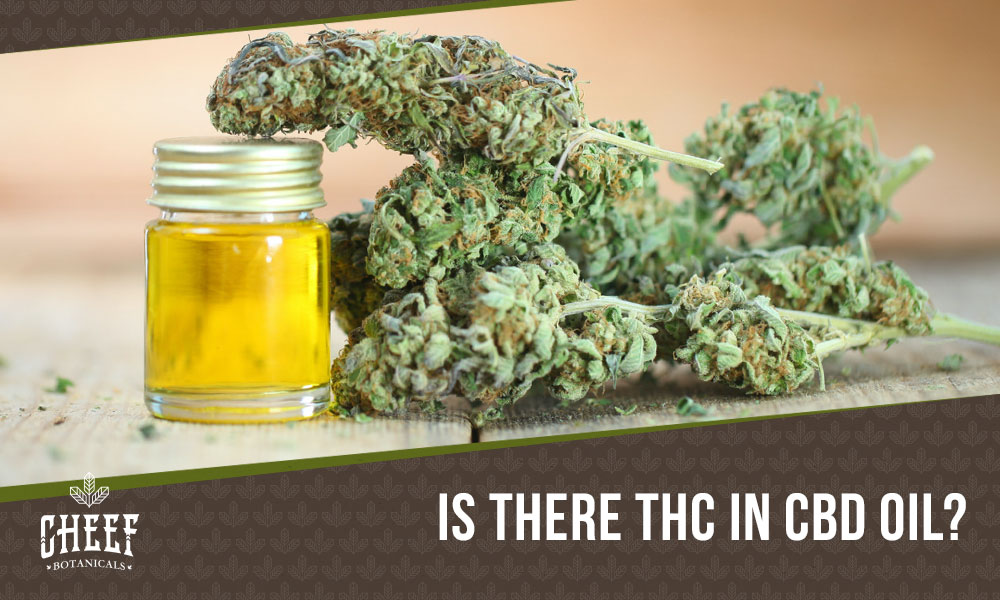
With more people exploring the calming and wellness benefits of CBD, one question keeps coming up: Does CBD oil have THC in it? It’s a fair concern, especially for those worried about a drug test, legality, or avoiding psychoactive effects.
The answer isn’t a simple yes or no. Some CBD oil products contain THC, while others are completely THC-free. The difference comes down to how the oil is made, the type of extract used, and how the cannabis sativa plant is processed.
In this guide, we’ll break down everything you need to know—from how CBD works in the body to how trace amounts of tetrahydrocannabinol (THC) may or may not be present.
Key Highlights
- CBD oil may or may not contain THC, depending on whether it's full-spectrum, broad-spectrum, or CBD isolate.
- Full-spectrum CBD includes trace amounts of THC, while broad-spectrum and isolate options are THC-free.
- Choosing the right CBD product depends on your wellness goals, THC sensitivity, and potential drug testing concerns.
- Prioritizing high-quality, third-party tested CBD products helps ensure safety, consistency, and accurate cannabinoid content.
What Is CBD Oil?
CBD oil is a product made by extracting cannabidiol from the hemp or marijuana plant, then combining it with a carrier oil like hemp oil or coconut oil. This process concentrates the active ingredient, CBD, into a usable form.
CBD is one of many cannabinoids found in cannabis. Unlike tetrahydrocannabinol THC, it is not strongly psychoactive, meaning it does not produce a “high.”
Once consumed, CBD interacts with the body’s endocannabinoid system, which helps regulate health, mood, pain, sleep, and even the digestive system.
How CBD Oil Is Made
To create high-quality CBD oil products, manufacturers:
- Harvest hemp from the cannabis sativa plant
- Use CO₂ or ethanol methods to extract cannabinoids
- Refine the extract into full spectrum, broad spectrum, or isolate
- Blend it with a carrier oil for better absorption
The quality of this process matters. Poor extraction may leave behind pesticides, contaminants, or inconsistent cannabinoid levels.
What Is THC?

THC, short for tetrahydrocannabinol, is the cannabinoid responsible for the intoxicating effects associated with marijuana. It binds to receptors in the brain, producing a psychoactive response.
While both THC and CBD come from cannabis, they affect the body very differently:
- THC: psychoactive, intoxicating
- CBD: non-intoxicating, calming
The difference between hemp and marijuana is largely based on THC content:
- Hemp: ≤ 0.3% THC (legal at the federal level)
- Marijuana: > 0.3% THC
This distinction is important when choosing between CBD oil products and THC products.
Does CBD Oil Have THC?
Yes—some CBD oil contains THC, but not all.
The presence of THC depends on the type of extract used:
1. Full-Spectrum CBD (Contains THC)

Full-spectrum CBD oil includes all naturally occurring compounds from the hemp plant:
- CBD
- THC (in small amounts)
- Terpenes
- Flavonoids
- Other cannabinoids
These products may contain trace amounts of THC (≤0.3%), which are not enough to produce strong psychoactive effects but may still affect sensitive individuals.
Full-spectrum products are popular because of the entourage effect, in which multiple compounds work together to enhance overall benefits.
2. Broad Spectrum CBD (THC-Free Option)

Broad-spectrum CBD contains:
- CBD
- Other cannabinoids
- Terpenes
But it removes THC completely, making it THC-free. This option is ideal if:
- You want to avoid THC
- You’re concerned about a drug test
- You want some entourage effect without tetrahydrocannabinol
3. CBD Isolate (Pure CBD)

CBD isolate is the purest form of cannabidiol, typically:
- 99%+ CBD
- No THC
- No other cannabinoids
It’s best for those who want less CBD variability and zero exposure to THC or other drugs.
Will CBD Show Up on a Drug Test?
This is one of the biggest concerns—and the answer is: it depends. A standard drug test does not look for CBD. It looks for THC or its metabolites.
However, certain situations can lead you to test positive:
When CBD Might Trigger a Drug Test
- Using full-spectrum CBD with trace amounts of THC
- Taking high doses over time
- Using low-quality products with inaccurate labeling
- Cross-contamination with THC products
Even small amounts of THC can build up in your system, especially with frequent CBD use.
Tips to Avoid a Positive Drug Test
- Choose THC-free or isolate products
- Look for third-party lab results
- Avoid unverified CBD oil products
- Monitor dosage when using CBD
If your job requires regular drug tests, broad-spectrum or isolated is the safer route.
How CBD Affects the Body
CBD interacts with receptors that regulate many functions, including:
- Mood and anxiety
- Sleep cycles (better sleep)
- Pain perception
- Immune response
Unlike THC, CBD does not strongly bind to CB1 receptors, which is why it lacks intoxicating effects.
Potential Benefits of CBD
Ongoing research suggests CBD may:
- Help manage anxiety
- Support better sleep
- Reduce inflammation and pain
- Aid conditions like multiple sclerosis
However, more studies are needed. Many findings are still under investigation by scientists.
Is CBD Oil Safe?
CBD is generally considered safe, but it’s not risk-free.
Possible Side Effects
- Dry mouth
- Fatigue
- Changes in appetite
- Interaction with other medications
CBD may also interact with certain medications or other drugs, so it’s wise to consult a doctor before starting regular CBD use.
Is CBD FDA Regulated?
The FDA does not fully regulate most CBD oil products.
The FDA has:
- Approved one CBD-based medicine (Epidiolex)
- Issued warnings about unverified claims
- Not standardized dosing or labeling for general CBD products
This means quality varies widely. Always choose products that:
- Provide lab results
- Are free from pesticides
- Clearly state cannabinoid content
Is CBD Legal?
CBD legality depends on the source and THC content.
- Hemp-derived CBD (≤0.3% THC): legal at the federal level
- Marijuana-derived CBD: varies by state
State legislatures may have different rules, so always check local laws.
Special Considerations: Pregnancy and Breastfeeding
If you are pregnant or breastfeeding, be cautious.
There is limited research on CBD’s effect on:
- Breast milk
- Infant development
Most experts recommend avoiding CBD use during this time due to unknown risks.
CBD vs Marijuana: What’s the Difference?
Although both come from cannabis, there’s a major difference:
|
Feature |
CBD |
Marijuana |
|---|---|---|
|
Main compound |
Cannabidiol |
High THC |
|
Psychoactive |
No |
Yes |
|
Legal status |
More widely legal |
Restricted |
|
Use |
Wellness |
Recreational/medical |
Marijuana use involves higher THC exposure, while CBD use focuses on non-intoxicating benefits.
Does CBD Oil Work Better With or Without THC?

This depends on your goals.
With THC (Full Spectrum)
- Stronger entourage effect
- More complete cannabinoid profile
- Slight risk for drug test
Without THC (Broad Spectrum / Isolate)
- No intoxication
- Lower risk
- Still offers many benefits
There’s no single “best” option—only what works for your lifestyle and needs.
How to Choose the Right CBD Oil
When selecting a product, consider:
- Purpose: Relaxation, pain, or general health
- THC Sensitivity: Choose THC-free if unsure
- Product Type: Full spectrum for maximum effect, broad spectrum for balance, isolate for purity
- Quality Indicators: Third-party testing, clean extract methods, and no harmful additives
Frequently Asked Questions
Does CBD oil always contain THC?
No, CBD oil does not always contain THC. It depends on the type of product. Full-spectrum CBD oil includes trace amounts of tetrahydrocannabinol (THC), while broad-spectrum and CBD isolate options are typically THC-free. If you want to avoid any psychoactive effects or reduce the risk of a drug test, choosing a THC-free product is the safest option.
Can CBD make you fail a drug test?
Yes, it’s possible—especially with full-spectrum CBD oil. Even though these products only contain small amounts of THC, repeated CBD use can cause THC to build up in your system. Since a standard drug test screens for THC and not cannabidiol, you could still test positive. To lower your chances, stick to THC-free CBD oil products and always check lab results for accuracy.
What’s the difference between hemp and marijuana?
Both hemp and marijuana come from the cannabis sativa plant, but the key difference is their THC content. Hemp contains 0.3% or less THC, making it legal at the federal level, while marijuana has higher THC levels and is more strictly regulated. This distinction affects how CBD oil products are made and whether they contain psychoactive compounds.
How does CBD work in the body?
CBD works by interacting with the body’s endocannabinoid system, which helps regulate functions such as mood, sleep, pain, and digestion. Unlike THC, CBD does not strongly bind to receptors that produce a high. Instead, it may help support balance in the body, which is why many people use it for anxiety, relaxation, and overall health.
Are CBD oil products FDA-approved?
Most CBD oil products are not fully FDA-regulated or approved. The FDA has only approved one CBD-based medicine for specific conditions, but over-the-counter products are still largely unregulated. This means quality can vary, so it’s important to choose brands that offer third-party testing and avoid harmful additives, such as pesticides.
Final Thoughts - Does CBD Oil Have THC?
Full-spectrum CBD oil has THC, and broad-spectrum oil does not. The entourage effect can still be felt in both, while CBD isolates are a refined, versatile alternative. There truly is something for everyone and plenty of room to experiment! No matter how you like your CBD, Cheef Botanicals has you covered!
Related Products: CBD Vape Cartridges

 CBD Gummies - Top Seller
 CBD + THC Gummy - Excellent Choice
 Northern Lights - Highly Rated
 Full Spectrum CBD Oil - Good Value

Leave a comment
This site is protected by hCaptcha and the hCaptcha Privacy Policy and Terms of Service apply.