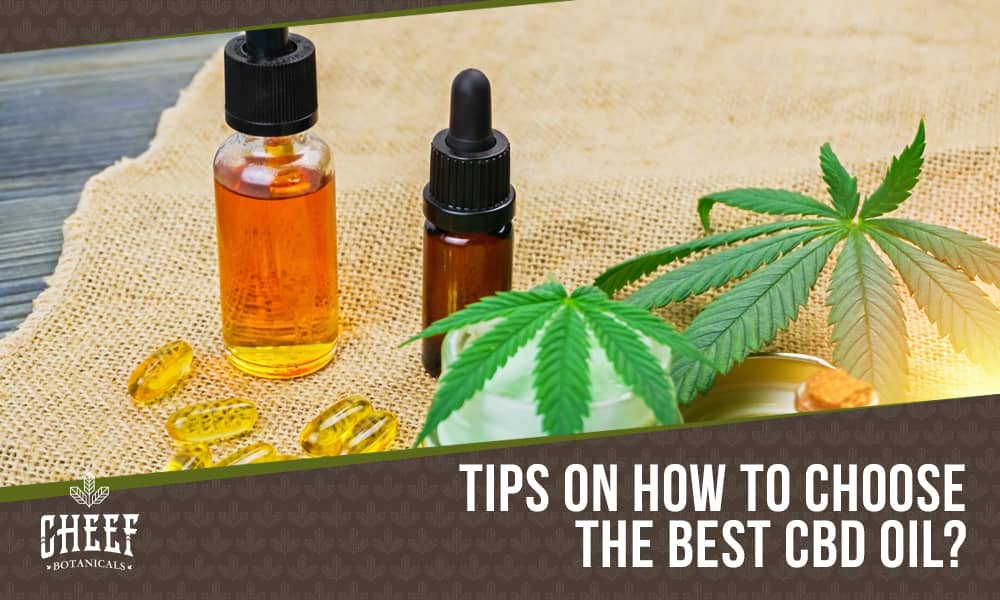
As one of today’s most talked-about wellness products, CBD oil is everywhere. But if you're new to CBD, choosing the right product can feel overwhelming. With so many brands, formulations, and claims on the market, it’s easy to feel unsure where to start.
This guide breaks everything down in a simple, practical way—so you can confidently choose high-quality CBD oil and CBD products that match your needs.
Key Highlights
- Choosing high-quality CBD products starts with checking third-party lab testing, transparent labeling, and reputable hemp sourcing.
- Understanding the differences between full-spectrum, broad-spectrum, and CBD isolate can help you find the right product for your needs.
- Reading labels and Certificates of Analysis (COAs) helps verify a product's potency, ingredients, and safety.
- Buying from transparent, trusted brands increases the likelihood of a safe, consistent, and high-quality CBD experience.
Is CBD Regulated?
CBD regulation in the United States is still evolving. Currently, the only FDA-approved CBD-based medication is Epidiolex, used for certain seizure disorders. Most CBD products on the market are considered nonprescription CBD products, and the FDA has not approved nonprescription CBD products, so consumers should exercise caution.
The 2018 Farm Bill legalized hemp-derived CBD (containing less than 0.3% THC) at the federal level. Still, products with higher THC content are considered controlled substances under the Controlled Substances Act and remain illegal federally. States can create their own rules, so the legal status of CBD can vary from state to state. Consumers should verify the legality of CBD products in their state and look for approved nonprescription CBD products to ensure safety and compliance.
Because of this lack of consistent oversight, it’s essential to:
- Choose brands that provide third-party lab testing
- Avoid products that make unrealistic or exaggerated claims
- Verify product details yourself whenever possible
Hemp vs. Marijuana
Although hemp and marijuana both belong to the cannabis family, they differ significantly in their chemical makeup and legal status. The primary distinction lies in their THC content: hemp plants contain less than 0.3% THC, while marijuana plants have much higher THC levels, which can produce psychoactive effects.
Most CBD products on the market today are made from hemp-derived CBD, as these products comply with federal regulations and are widely accessible. Hemp oil, also known as hemp extract, is the base for many CBD oils and tinctures. When shopping for CBD products, please always check the label for the type of extract used and the THC levels to make sure the product meets legal limits and your personal preferences.
Cannabinoids and Terpenes
The cannabis plant is a rich source of over 100 different cannabinoids, with CBD and THC being the most well-known. However, the plant also contains a variety of other compounds, including terpenes and flavonoids, which contribute to the unique aroma, flavor, and potential health benefits of CBD products.
Understanding the role of cannabinoids and terpenes can help you choose the right CBD product for your needs, whether you’re looking for the full spectrum of plant benefits or a more targeted approach with CBD isolate.
What to Look for When Searching for CBD Oil & Products
Before buying any CBD product, focus on these key quality indicators:
- Clear labeling and ingredient transparency
- Certificate of Analysis (COA) availability
- Extraction method disclosure
- Hemp sourcing information
- Manufacturing standards (GMP compliance if available)
- Brand reputation and customer reviews
- Certified Organic and listed on the USDA website
These factors help you separate high-quality products from low-grade or misleading ones. Reputable companies and manufacturers will provide COAs from certified laboratories to verify product safety and potency. Please always check the USDA website to confirm organic certification and make sure the CBD company meets high standards for quality and transparency.
How to Read a CBD Label
Understanding a CBD label is one of the most important steps in choosing the right product. Here’s what to look for:
- Ingredient list: Check for a short, simple ingredient list. High-quality oils should contain only CBD extract and a carrier oil, such as MCT oil, hempseed oil, or olive oil. Avoid products with unnecessary additives, especially artificial flavoring or coloring, as natural flavorings are preferable and indicate better transparency.
- mg per bottle: This tells you how much CBD is in the finished product, not just per serving.
- mg per serving: This shows how much CBD you get in each dose of the finished product.
- Type of CBD: Is it full-spectrum, broad-spectrum, or CBD isolate?
- Other cannabinoids: Are there other cannabinoids or terpenes listed?
- Batch number and expiration date: These indicate quality control and freshness.
- Certificate of Analysis (COA): This third-party lab report verifies how much CBD and other cannabinoids are present, and checks for contaminants.
High-quality oils should have a minimal ingredient list—typically just CBD extract and a carrier oil.
Key Things to Look For:
- mg per bottle: Total CBD content in the entire product
- mg per serving: Amount of CBD in each dose
- Ingredient list: Look for clean, minimal, and recognizable ingredients
- CBD content: Confirm the amount of CBD and check for THC levels
- CBD type: Full-spectrum, broad-spectrum, or CBD isolate
A clear and transparent label is usually a good sign of a trustworthy product.
What Is a COA and What Does It Show?
A Certificate of Analysis (COA) is a third-party lab report that verifies a product’s quality and safety. COAs are important because they verify that a CBD product contains what the label claims, including the amounts of CBD and THC, and ensure that it is free from harmful substances like pesticides and heavy metals. A reputable CBD product will come with a COA from a certified laboratory, which details the cannabinoid content and tests for contaminants like pesticides and heavy metals.
A COA Typically Shows:
- Cannabinoid profile (CBD, THC, and others)
- Potency (actual vs. advertised levels)
- Presence of contaminants (pesticides, heavy metals, solvents)
- Terpene profile (in some cases)
You can usually find COAs on a brand’s website or on the packaging via a QR code. If a product doesn’t provide this, it’s a major red flag.
How to Choose Quality CBD Oil & CBD Products

Not all CBD products are created equal. Taking a few extra minutes toresearch can make a big difference in your overall experience. The hemp plant is the primary source of CBD and other beneficial compounds, and some high-quality CBD oils may also include herbal extracts for additional benefits.
Please always make sure the finished product is refined for quality and suitable for oral or topical use. Look for reputable brands, such as Charlotte's Web, that are known for their safety standards and credibility. For the best results, choose products derived from USDA Certified Organic hemp grown in the U.S. or Europe, as these regions have stricter agricultural standards.
Where Is the Hemp Grown?
Please be sure to look for CBD derived from organically grown hemp, preferably in the United States. U.S. farms must follow stricter agricultural guidelines to reduce the risk of harmful chemicals and pesticides.
Are There Recent Third-Party Lab Tests Available?
Third-party testing is essential in an unregulated market. Independent labs verify that:
- The product contains the advertised CBD levels
- THC content is within legal limits
- The product is free from harmful contaminants
Always choose brands that make these results easy to access.
What Is the Quality of the CBD Oil?
CBD oil is more than just CBD—it often includes:
- Carrier oils (like coconut oil, hemp seed oil, or olive oil)
- Flavorings or essential oils
- Added nutrients or botanical ingredients
Higher-quality products use clean, well-sourced ingredients without unnecessary additives. Avoid products with artificial flavoring and look for a minimal ingredient list for better transparency and quality.
Is It Full-Spectrum, Broad-Spectrum, or Isolate?
There are three main types of CBD:
- Full-spectrum CBD: Contains all extracts of the cannabis or hemp plant, including a broad range of cannabinoids, terpenes, and flavonoids, as well as trace amounts of THC (typically less than 0.3%). Because of the presence of THC, full-spectrum products are more likely to cause a positive result on a drug test.
- Broad-spectrum CBD: Contains multiple cannabinoids, but no THC, making it less likely to show up on a drug test while still offering some benefits of the entourage effect.
- CBD isolate: Isolate CBD is a purified form of cannabidiol that contains 99% or more CBD and no other cannabinoids or compounds from the hemp plant, making it unlikely to show up on a drug test.
The type of CBD product you choose can affect drug test results, so consider your needs and circumstances carefully. Cannabinoids, including CBD, interact with the endocannabinoid system, which plays a key role in regulating the nervous system and immune functions. It's also important to check how much CBD is present in the product to ensure accurate dosing.
Research suggests that full-spectrum products may offer enhanced effects through the Entourage Effect, in which cannabinoids work synergistically.
How Was the CBD Extracted?
Extraction methods matter for both quality and safety. The gold standard is CO₂ extraction, which:
- Preserves cannabinoids and terpenes
- Avoids harmful chemical solvents
- Produces a cleaner, more potent product
Lower-quality methods may use solvents that can leave behind residues.
Is the Brand Transparent?
Transparency is one of the biggest indicators of a reliable CBD brand. A study published in the Journal of the American Medical Association found that many CBD products were inaccurately labeled—highlighting the importance of trust and verification.
Look for brands that clearly provide:
- Lab results
- Ingredient sourcing
- Manufacturing processes
Does the Brand Have Authentic Positive Reviews?
Customer feedback can reveal a lot about product quality. Look for:
- Verified reviews (not generic testimonials)
- Consistent positive experiences
- Mentions of effectiveness, taste, and customer service
Avoid brands with little to no online presence or overly polished, unrealistic reviews.
How to Spot Low-Quality CBD Products

Here are common warning signs:
- No third-party lab results
- Unrealistic health claims
- Missing or vague ingredient lists
- Poor hemp sourcing transparency
- Extremely low prices (too good to be true)
If something feels off, it’s best to move on to a more reputable option.
What Strength of CBD Oil Should You Choose?
CBD strength is usually measured in milligrams (mg).
General Guidelines:
- Low strength (300–600 mg): Best for beginners or mild support.
- Medium strength (600–1200 mg): Suitable for regular users.
- High strength (1200+ mg): Often preferred by experienced users.
Start with a low dose and gradually increase as needed. Always follow the product’s recommended serving size.
What Are CBD Oil Products?
CBD oil is made by extracting beneficial compounds from the hemp plant and combining them with a carrier oil. CBD tinctures are a specific form of CBD product, typically administered sublingually for fast absorption and often praised for their versatility and rapid effects.
Some CBD oil products may also include herbal extracts to provide additional health benefits. The finished product is the consumer-ready form, refined and suitable for oral or topical use.
CBD is non-psychoactive, meaning it won’t produce a “high,” and it’s generally well-tolerated when used responsibly. CBD products come in many forms:
CBD Tinctures
Liquid extracts taken under the tongue for faster absorption.
CBD Capsules
Pre-measured doses are swallowed like supplements.
CBD Vape Oil
Used in vape devices for rapid absorption.
Related Post: How to Vape CBD [The Complete Guide]
CBD Topicals
Creams, balms, and lotions are applied directly to the skin. These CBD topicals are often used to reduce pain and inflammation in localized areas, providing targeted relief for sore muscles, joints, or irritated skin.
CBD Gummies
CBD gummies are a popular choice for those who want a tasty and convenient way to take CBD. These gummies combine CBD oil with sweeteners and flavorings, effectively masking the naturally bitter taste of CBD oil. This makes them appealing to people who may not enjoy the taste of tinctures or oils. Gummies come in a variety of flavors, shapes, and dosages, making it easy to find an option that suits your preferences.
High-Quality CBD Oil From a Brand You Can Trust
A reliable CBD brand should make product information easy to access. At Cheef Botanicals, transparency is a top priority. From third-party lab results to clearly listed ingredients and sourcing practices, customers can easily verify product quality.
With decades of experience in the organic food industry, the brand focuses on clean, plant-based, cruelty-free formulations, backed by strong customer feedback and consistent quality standards.
Frequently Asked Questions About Choosing CBD Oil & Products
How do I know if a CBD product is high quality?
A high-quality CBD product will always provide third-party lab test results (COA), clearly list all ingredients, and disclose the source of the hemp. Look for products made from organically grown hemp and extracted using clean methods, such as CO₂ extraction. Transparency is key—if a brand hides information, it’s best to avoid it.
What is the safest type of CBD to use?
The safest type of CBD depends on your needs. Many users prefer broad-spectrum CBD because it contains multiple cannabinoids without THC. Others choose full-spectrum CBD for the potential benefits of the entourage effect. If you want pure CBD with no additional compounds, CBD isolate is another option.
How can I verify a CBD product is legit?
To verify a CBD product:
- Check for a Certificate of Analysis (COA) from an independent lab
- Match the lab results with the product label
- Confirm THC levels are within legal limits
- Look for batch numbers and QR codes on packaging
If you can’t find lab results, that’s a major red flag.
What strength of CBD oil should beginners start with?
Beginners should typically start with a low-strength CBD oil (300–600 mg) and a small serving size. Starting low lets you observe how your body reacts before gradually increasing your intake. Consistency matters more than taking a high dose right away.
Is CBD oil legal to buy?
Yes, hemp-derived CBD oil is federally legal in the United States under the 2018 Farm Bill, as long as it contains less than 0.3% THC. However, state laws can vary, so it’s important to check local regulations before purchasing.
What should I avoid when buying CBD products?
Avoid CBD products that:
- Make unrealistic or exaggerated health claims
- Don’t provide lab testing results
- Have unclear or missing ingredient lists
- Are priced extremely low compared to competitors
These are often signs of low-quality or unreliable products.
How long does CBD oil take to work?
The time it takes for CBD oil to work depends on the method of use:
- Sublingual (tinctures): 15–45 minutes
- Edibles (like gummies): 30–90 minutes
- Topicals: Varies depending on application area
Factors like metabolism, dosage, and body chemistry also play a role.
Can CBD oil make you feel high?
No, CBD oil is non-psychoactive, meaning it does not produce a “high.” However, full-spectrum products may contain trace amounts of THC (within legal limits), which typically won’t cause intoxicating effects.
Do CBD products have side effects?
CBD is generally well-tolerated, but some users may experience mild side effects such as:
- Dry mouth
- Drowsiness
- Changes in appetite
If you’re taking other medications, it’s best to consult a healthcare professional before using CBD.
How should I store CBD oil?
Store CBD oil in a cool, dark place away from direct sunlight and heat. Proper storage helps preserve potency and extends shelf life.
Choosing High-Quality CBD Oil Products (Final Thoughts)
Choosing the right CBD product doesn’t have to be complicated. By focusing on transparency, quality ingredients, lab testing, and proper labeling, you can confidently find a product that fits your needs.
Start with a low dose, stay consistent, and pay attention to how your body responds. Most importantly, take your time researching—because the brand you choose can make all the difference in your overall experience.
Learn more through these awesome CBD facts

 CBD Gummies - Top Seller
 CBD + THC Gummy - Excellent Choice
 Northern Lights - Highly Rated
 Full Spectrum CBD Oil - Good Value


Leave a comment
This site is protected by hCaptcha and the hCaptcha Privacy Policy and Terms of Service apply.