

You’re thinking about trying CBD, but one question keeps holding you back: Is CBD oil addictive? It’s a fair concern, especially since it comes from cannabis. But CBD plays by a completely different set of rules.
Unlike THC, it does not spark a high or trigger the brain’s reward loop. Instead, it works quietly with your Endocannabinoid System, helping your body keep its natural balance. That means no habit-forming patterns, no withdrawal, and no urge to keep chasing the same feeling. Here’s what you should know about CBD oil before taking your first drop.
Key Highlights
- CBD oil is not considered addictive because it does not create a high or trigger the brain’s reward cycle like THC.
- CBD subtly interacts with the endocannabinoid system, helping support balance without causing intoxicating effects.
- Hemp-derived CBD products must contain 0.3% THC or less to meet federal guidelines under the 2018 Farm Bill.
- CBD does not typically cause withdrawal symptoms, physical dependence, or the urge to keep increasing the dose.
The Rise of CBD Oil
CBD oil may feel like a modern trend, but its roots go way back. We are talking earlier than 2000 BC, when ancient cultures used the hemp plant in early wellness practices. The cannabis sativa plant was valued for its versatility and appeared in remedies and daily use. Interest slowed when regulations tightened, and hemp became linked to marijuana use, which limited its place on the market.
In recent years, CBD has made a strong comeback. This came with updated federal law, including the 2014 and 2018 Farm Bills, allowing low-THC hemp cultivation. This change expanded access to hemp-derived products. Today, curiosity around cannabidiol CBD, the benefits of CBD, and its role in complementary and integrative health keeps growing, even as experts call for more research.
What Is CBD Oil?
CBD oil comes from the cannabis plant, particularly hemp, and delivers cannabidiol in a simple, easy-to-use form. You will usually find it in tinctures, capsules, or commercially available CBD products designed for daily CBD use. It does not produce psychoactive effects, which sets it apart from THC. Instead, CBD works with your body’s internal systems more subtly and is often linked to integrative health routines.
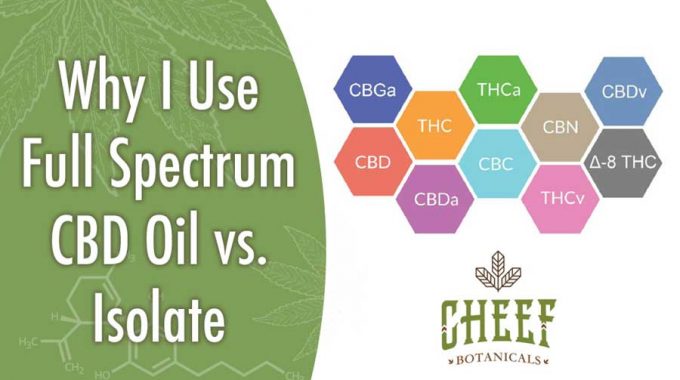
There are three main types to know. A full-spectrum CBD product contains all cannabinoids and terpenes found in hemp, which may work together. This interaction promotes homeostasis in the body. Broad-spectrum options keep those compounds but remove THC. Isolate strips everything down to pure CBD, offering a cleaner but simpler experience.
How CBD Interacts with the Brain
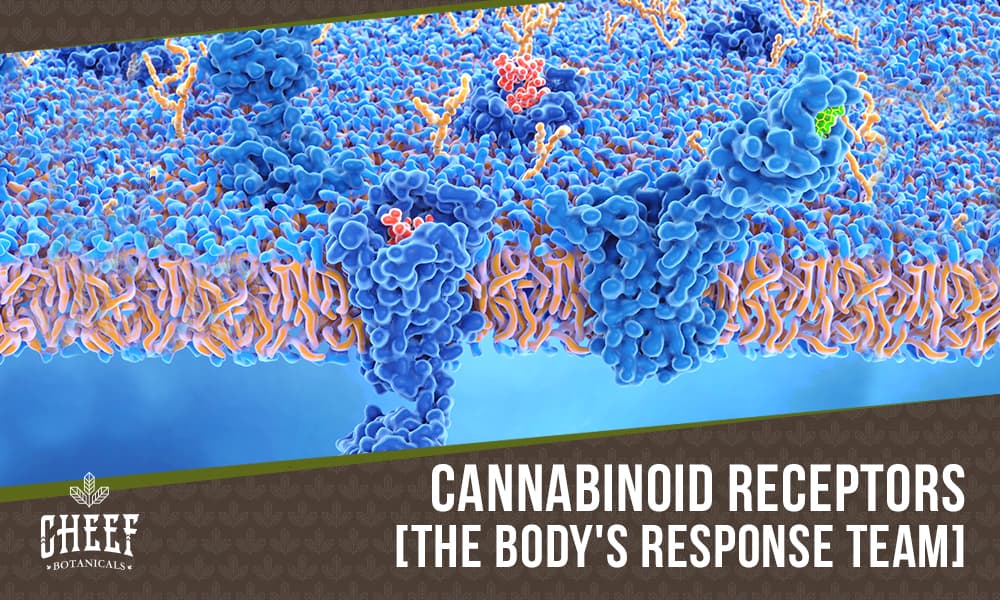
Your brain has a built-in system that keeps things balanced, and CBD works with it. Unlike THC, which binds directly, CBD takes a lighter approach. It works with the endocannabinoid system (ECS) to help balance signals tied to mood, rest, and daily rhythms without overstimulating the brain. This is one reason it does not produce psychoactive effects.
CBD also interacts with serotonin receptors, which influence how you feel and respond to pressure. Research shows that CBD does not trigger the strong dopamine spikes associated with reward cycles. This explains its low dependence potential and minimal link to psychological dependence, unlike THC, which binds more directly to receptors.
Does CBD Oil Get You High?
No, CBD oil will not get you high. Even though it comes from cannabis plants, it does not create the same effects as THC. THC is the compound that can produce psychoactive effects, while CBD works differently in the body.
Most hemp-derived CBD products contain very low THC levels. To be 2018 Farm Bill compliantThey must stay at or below 0.3% THC. Broad-spectrum and isolate options contain no THC at all. Full-spectrum products include trace amounts, but not enough to alter mental clarity. This is why taking CBD oil fits easily into daily routines.
Is CBD Oil Addictive?
So, is taking CBD oil addictive? No, CBD is not considered habit-forming. It does not trigger psychoactive effects, so it does not create the same patterns seen with addictive substances. Research, including insights noted by the World Health Organization, shows low abuse or dependence potential. Even better, some findings suggest a reverse tolerance effect, where you may need less over time to notice the same benefits.
Related Post: Can You Build a Tolerance to CBD?
What Does “Addictive” Actually Mean?
When people ask if something is addictive, they often mean two different things. One is physical dependence, where the body adapts and may react with withdrawal symptoms when use stops. This pattern shows up in some addictive substances and certain substance use disorders. The other is habit. That is more about routine, like reaching for something after a long day.
So, is CBD oil addictive? No, it's not. Habits can feel strong, but they do not carry the same biological pull. Conditions like alcohol dependence or severe substance abuse involve bigger changes in brain chemistry. Knowing this difference helps you see why not everything used regularly leads to true cannabis addiction or dependency patterns.
Can CBD Oil Help with Addiction?
Interest in CBD and recovery support continues to grow. Early research suggests it may help ease cravings linked to marijuana use or other substances. Scientists are studying how CBD interacts with brain pathways tied to reward and behavior. That said, science is developing, so there is no final answer.
Many people use CBD as a gentle addition to wellness routines, especially during lifestyle changes. Some research also looks at its role in post-traumatic stress disorder. It is not a cure, though. Keep possible drug interactions in mind, especially if you take other medications or use dietary supplements regularly.
Is CBD Safe for Long-Term Use?
For most people, CBD fits well into a long-term routine when used with care. Research shows it is generally well tolerated, with mild adverse effects such as drowsiness or stomach discomfort occurring in some cases. It does not act like a controlled substance, and current findings show no strong link to dependency or withdrawal symptoms.
Still, a smart approach matters. CBD can affect how the body processes certain compounds, which may lead to drug interactions, especially with blood thinners. That is why checking labels and understanding product quality is key. While studies continue, experts do not see CBD as a significant safety concern when used responsibly.
What Happens If You Stop Taking CBD?

When you stop taking CBD oil, your body returns to its natural baseline without major changes. Since CBD is not linked to physical dependence, you will not experience withdrawal symptoms like those associated with other substances. Research shows no clear effects indicative of CBD addiction after stopping.
You may notice the loss of certain therapeutic benefits, such as better rest or a calmer routine. That shift often feels like breaking a habit rather than a biological need. Compared to patterns seen in marijuana use, CBD use does not create the same cycle, making the transition smooth for most people.
Why Do People Use CBD Oil?
People turn to CBD oil for a simple way to feel more balanced day to day. It works with the body’s endocannabinoid system, which helps regulate mood, rest, digestion, and more. That natural connection makes it easy to include in a daily routine. They use CBD oil when:
- They want to feel calmer during moments of nervous or anxious behaviors, especially after long or busy days
- They need deeper, more restful sleep so the body and mind can fully recharge overnight
- They deal with soreness, muscle tension, or everyday discomfort from physical activity or daily strain
- They want to support overall balance through the body’s natural systems without feeling overwhelmed
- They are curious about the potential health benefits of hemp-derived products
- They prefer a gentler option compared to other substances, without intense or unwanted effects
CBD vs THC: Understanding the Difference
CBD and THC both come from cannabis, but they act very differently in the brain. THC binds directly to CB1 receptors, which is what produces the high linked to marijuana. CBD works more indirectly. It supports the endocannabinoid system without changing your mental state, so you stay clear-headed.
That difference also affects dependency risk. Research shows that about 9–10% of THC users may develop dependence, with rates rising to around 17% when use begins early. CBD does not follow that pattern. It is not considered CBD addictive and does not reinforce habit-forming behavior. Many people choose hemp-derived options because they offer balance without the intensity tied to THC use.
Does CBD Have Any Side Effects?
CBD is generally well-tolerated, but like anything you take, it can come with a few mild reactions. Some people notice dry mouth, drowsiness, reduced appetite, or mild stomach troubles. These effects often appear with high doses of CBD and tend to ease as your body adjusts.
Another point to keep in mind is how CBD interacts with the body’s processing system. It may slow the breakdown of certain compounds, which can affect how other medications work. This is why checking for drug interactions matters, especially if you take prescriptions. While severe side effects are rare, choosing quality products and the right amounts makes a big difference.
Who Should Avoid CBD?
CBD works well for many people, but it is not a perfect match for everyone. Certain groups should take a step back before adding it to their routine. If you are pregnant or breastfeeding, experts advise caution due to limited research during these stages. It is better to play it safe here.
People who take prescriptions should also be careful. CBD may influence how the body processes certain compounds, which can affect results. This is especially important if you rely on long-term medications. Anyone managing ongoing conditions should also check first.
Before you buy CBD or try hemp oil, could you talk with a professional who understands your situation? A quick conversation can help you avoid unwanted surprises and keep your experience smooth.
Final Thoughts - Is CBD Oil Addictive?
CBD oil has found its place in many daily routines, from quiet mornings to post-work wind-downs. Some people pair it with yoga or meditation, while others add it to their wellness habits. One thing remains clear. It is not linked to addictive patterns and does not interfere with how you think or function day to day.
That said, your experience often depends on quality and sourcing. Products that follow standards aligned with the Food and Drug Administration tend to offer more reliable consistency. At Cheef Botanicals, we craft CBD oil and edibles designed for everyday balance, using carefully selected ingredients and clear labeling so you know exactly what you are getting.
Read more CBD Facts articles here

 CBD Gummies - Top Seller
 CBD + THC Gummy - Excellent Choice
 Northern Lights - Highly Rated
 Full Spectrum CBD Oil - Good Value

Leave a comment
This site is protected by hCaptcha and the hCaptcha Privacy Policy and Terms of Service apply.