

The endocannabinoid system (also referred to as the ECS) is crucial to proper functioning in the mammalian body. It is a biochemical communication system that regulates a wide variety of activities. In recent years, it has been the focus of extensive biological research. Scientists have been gaining a better understanding of just how important the Endocannabinoid System and CBD are to patients' general health and well-being. The Endocannabinoid System and CBD help to regulate mood, behavior, and experience in human subjects.
At the forefront of all this research is cannabis and how it interacts with the various components of the ECS. Most people associate Cannabis solely with Marijuana. However, there are actually more chemical compounds within the cannabis plant that have beneficial qualities, collectively called cannabinoids. The most promising of these is cannabidiol (or CBD). CBD is a safe and effective cannabinoid that treats various ailments precisely because it interacts with the ECS.
Key Highlights
- The endocannabinoid system is a cell-signaling network that helps regulate balance across mood, sleep, appetite, digestion, immune response, and stress.
- Cannabinoids include endocannabinoids made by the body, phytocannabinoids from cannabis plants, and synthetic cannabinoids made in labs.
- CBD is a non-intoxicating phytocannabinoid that interacts with the ECS differently from THC and does not produce a high.
- The ECS includes cannabinoid receptors, endocannabinoids, and metabolic enzymes that work together to support homeostasis.
- CB1 receptors are mainly found in the brain and nervous system, while CB2 receptors are more connected to immune function and inflammation.
- CBD may support the ECS by indirectly influencing receptors, helping preserve endocannabinoids like anandamide, and promoting overall balance.
What Are Cannabinoids and How Are They Produced?

A cannabinoid is a group of chemical compounds that are all closely related to one another. They are the active constituents of the cannabis plant. These molecules include endocannabinoids such as anandamide and 2-AG, which are naturally occurring bioactive compounds in the endocannabinoid system. These cannabinoids act on cannabinoid receptors in various cells of the human body. Once these receptors are activated, they modulate neurotransmitter release in the human brain.
It is helpful to think of these various parts as keys and locks. The cannabinoids are keys, and the receptors are locks. Neurotransmitters, on the other hand, are like messenger chemicals that get sent around the body to activate various processes. The mechanisms by which cannabinoids influence receptor signaling and physiological processes are central to understanding their effects. Imagine a phone locked in a closet.
The Three Basic Types of Cannabinoids:
- Endocannabinoids/ Endogenous cannabinoids. These are cannabinoids that occur naturally within the bodies of humans and other mammals. Anandamide (named after the Sanskrit word 'ananda', meaning bliss) and 2-arachidonoylglycerol are the two most well-known endocannabinoids.
- Phytocannabinoids. This is a type of cannabinoid that is produced naturally in cannabis, as well as a limited number of other plants. Tetrahydrocannabinol (THC) and cannabidiol (CBD) are the two most well-known phytocannabinoids.
- Synthetic cannabinoids. These are artificial cannabinoids. Some synthetic cannabinoids were developed as medicines, such as anti-obesity drugs, but faced challenges due to side effects.
The type of cannabinoid dictates how it is produced. Endocannabinoids are present naturally in the human body. The same is true for phytocannabinoids within the medical cannabis plant. This suggests a connection between the two and that the human body has adapted to using cannabinoids to maintain homeostasis (a state of healthy balance in physiology).
What Is CBD and How Does it Relate to the Endocannabinoid System?
The two most widely recognized phytocannabinoids are THC and CBD. However, the critical difference is that THC is psychoactive while CBD is not. “Psychoactive” means that the chemical has an intoxicating effect on the human consuming it.
CBD is one of approximately 113 other compounds that can be extracted from the cannabis plant. It also comprises about 40% of the total volume of extracted material. It affects the endocannabinoid system (ECS) by interacting with the CB1 and CB2 receptors—often referred to as CB receptors. These are the primary receptors within the ECS. CBD acts as a modulator of the endocannabinoid system, influencing the transport and reuptake of endogenous cannabinoids, thereby prolonging their activity and enhancing their effects.
Related Post: What Are The Side Effects Of CBD Oil?
CBD’s interaction with the ECS provides therapeutic benefits such as brain protection, stress buffering, and disease fighting. There is growing scientific evidence supporting CBD's mechanisms and its potential for treating various diseases.
How Does the Endocannabinoid System Maintain Balance?
Homeostasis is an important concept to understand. It is the overall sense of balance and functioning of a healthy person. The endocannabinoid system (ECS) is a widespread regulatory system that monitors communication and homeostasis in the body. The ECS comprises cannabinoid receptors (CB1 and CB2), endocannabinoids such as anandamide and 2-arachidonoylglycerol (2-AG), and metabolic enzymes that regulate their levels.
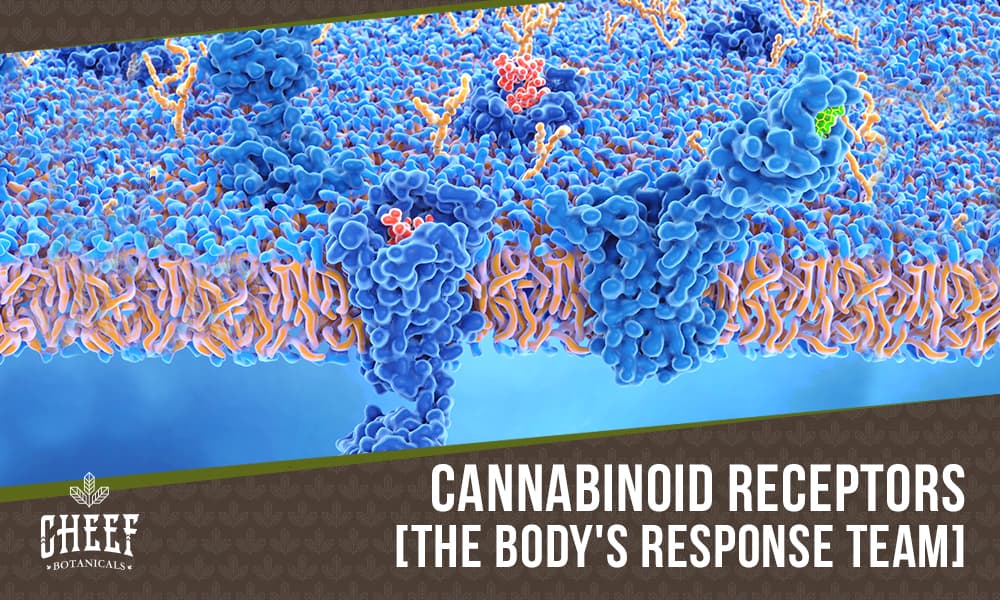
- Cannabinoid receptors. Exist on the surfaces of a variety of cells, including immune and nerve cells.
- Endocannabinoids. These activate the receptors directly (whereas external cannabinoids, like CBD, activate them indirectly).
- Metabolic enzymes. These are the chemical compounds that break down any endocannabinoids after they have finished interacting with the receptors.
It is useful to think of the ECS as a computer with sensors throughout the body. These sensors, or receptors, monitor conditions in and around the body. They send that information to the computer, which determines the appropriate cellular response. Endocannabinoid signaling is critical for maintaining homeostasis and regulating physiological responses throughout the body.
Homeostasis is the ultimate goal of this system, and it sends instructions to the various parts of the body to maintain this state of balance. The ECS also plays a vital role in protecting brain cells, and CBD supports this function by helping protect against oxidative stress.
Where Are Cannabinoid Receptors Found in the Body?

CB1 Receptors
CB1 receptors are found primarily in the central nervous system (the brain and spinal cord), the sympathetic nervous system, the digestive tract, the gonads, and various connective tissues throughout the body. Within the brain, CB1 receptors are located in three primary areas: the hypothalamus, the amygdala, and the hippocampus.
The hypothalamus is crucial for maintaining homeostasis in the body (controlling hunger and thirst, body temperature, sleep patterns, and emotional states). The amygdala is responsible for processing and experiencing emotions.
Due to this reactivity with these parts of the brain, the activation of CB1 receptors results in:
- Relief of depression and/or anxiety.
- Lowering inflammation, particularly in the intestines.
- Lower blood pressure.
- Increasing myelin formation. This greatly benefits patients with multiple sclerosis or other diseases of the nervous system.
- Reducing feelings of fear and/or paranoia. This benefits patients who have post-traumatic stress disorder.
- Lowering the levels of prolactin (the sex hormone that allows females to produce breast milk). Reducing abnormal levels of prolactin helps female patients who have problematic menstrual cycles and/or other sex hormone imbalances.
- Lowering the expression of the GPR55 receptor. This may play a vital role in the treatment of certain types of cancers and/or tumors.
CB2 Receptors
CB2 receptors are present in the brain in only small numbers. Instead, they are primarily located in the tonsils, spleen, and thymus. These are all organs that comprise the mammalian immune system. CB2 receptors are also located on the surfaces of various immune cells, including monocytes, mast cells, microglia, and macrophages. CB2 plays a key role in regulating inflammatory and anti-inflammatory responses, modulating immune activity, and controlling inflammation in various health conditions.
Consequently, activation of these receptors likely plays an important role in the treatment and management of most types of diseases, including:
- Gastrointestinal diseases (digestive tract)
- Cardiovascular diseases (heart)
- Autoimmune diseases (immune system) — inflammation is a major component of autoimmune and neurodegenerative diseases, and CBD's anti-inflammatory properties are particularly relevant here.
- Neurodegenerative diseases (central nervous system) — CB2 activation and CBD's anti-inflammatory and neuroprotective effects make it a potential treatment for neurodegenerative diseases such as Alzheimer's and Parkinson's disease.
- Psychiatric disorders (brain) — CB2 activation is also relevant for psychiatric disorders, where inflammation and immune modulation may play a role.
The Endocannabinoid System and CBD: How Do They Work Together?
Cannabinoids regulate numerous beneficial processes in the mammalian body. This is particularly true of CBD, which indirectly activates the ECS.
CBD also inhibits the metabolic enzyme Fatty Acid Amide Hydrolase (FAAH). Remember that enzymes are one of the three primary components of the ECS. In this case, FAAH breaks down the endocannabinoid anandamide. This endocannabinoid’s involvement in motivation and pleasure in the nervous system has given it the nickname “bliss molecule”.
Because the Endocannabinoid System and CBD inhibit the enzyme that breaks anandamide down, naturally, there will be more of it in the human body. Consequently, the patient will experience an increased sense of well-being. This is an excellent example of how CBD indirectly influences the ECS and how it can positively affect emotional states.
CBD has emerged as a cutting-edge force in health and well-being. Its ability to help the ECS maintain homeostasis makes it an incredibly effective tool. CBD is also extremely safe with few adverse side effects. Cannabidiol can change people's lives for the better. CBD products are emerging as one of the most powerful supplements on the market today.
Why Is the Endocannabinoid System Important?
The endocannabinoid system (ECS) is a complex cell-signaling network that plays a crucial role in maintaining homeostasis, or balance, within the body. The ECS interacts closely with the hypothalamic-pituitary-adrenal (HPA) axis, and together they regulate various physiological and cognitive processes, including the stress response. When the body encounters stress, the HPA axis is activated, leading to the release of hormones such as cortisol, which helps control inflammation and stress and helps maintain homeostasis.
However, chronic activation of the HPA axis due to ongoing stress can result in permanent damage to the body. CBD may help mitigate this by lowering cortisol and corticotropin-releasing hormone (CRH) levels, thus improving the body's response to stress. Additionally, CBD can enhance regulation of the HPA axis and the ECS by increasing levels of endocannabinoids such as anandamide and 2-AG, supporting overall balance and resilience to stress.
What Happens When the Endocannabinoid System Is Out of Balance?
When the endocannabinoid system (ECS) is out of balance, it can lead to a range of health issues. Dysregulation of the ECS has been implicated in various disease states, including cancer, diabetes, and chronic pain, highlighting its crucial role in maintaining health and homeostasis. Proper regulation of the ECS is essential for physiological balance and overall well-being.
This imbalance may manifest as mood disorders, sleep disturbances, chronic pain, or even immune system dysfunction. By understanding how the ECS works and what happens when it is dysregulated, researchers and clinicians can better target therapies—such as CBD—to help restore balance and support optimal health.
Cheef Botanicals CBD Products:
The endocannabinoid system (also referred to as the ECS) is crucial to proper functioning in the mammalian body. It is a biochemical communication system that regulates a wide variety of activities. In recent years it has been the focus of a great deal of biological research. Scientists have been accumulating a greater understanding of just how important the Endocannabinoid System and CBD are to the general health and wellbeing of patients. The Endocannabinoid System and CBD help to regulate mood, behavior, and experience in human subjects.
At the forefront of all this research is cannabis and how it interacts with the various components of the ECS. Most people associate Cannabis solely with Marijuana. However, there are actually more chemical compounds within the cannabis plant that have beneficial qualities, collectively called cannabinoids. The most promising of these is cannabidiol (or CBD). CBD is a safe and effective cannabinoid that treats various ailments precisely because it interacts with the ECS.
What Are Cannabinoids and How Are They Produced?
A cannabinoid is a group of chemical compounds that are all closely related to one another. They are the active constituents of the cannabis plant. These cannabinoids act on what are called cannabinoid receptors in various cells of the human body. Once these receptors are activated, they then alter the release of what are known as neurotransmitters in the human brain.
It is helpful to consider these various working parts as keys and locks. The cannabinoids are keys and the receptors are locks. Neurotransmitters, on the other hand, are like messenger chemicals that get sent around the body to activate various processes. Imagine that there is a phone locked in a closet. In order to make a phone call, you must first unlock the closet door. The cannabinoid is the key, the receptor is the lock, and the neurotransmitter is the phone.
The Three Basic Types of Cannabinoids:
- Endocannabinoids/ Endogenous cannabinoids. These are cannabinoids that occur naturally within the bodies of humans and other mammals. Anandamide and 2-arachidonoylglycerol are the two most known endocannabinoids.
- Phytocannabinoids. This is a type of cannabinoid that is produced naturally in cannabis as well as a limited number of other plants. Tetrahydrocannabinol (THC) and cannabidiol (CBD) are the two most known phytocannabinoids.
- Synthetic cannabinoids. These are cannabinoids that are man-made.
The type of cannabinoid dictates how it is produced. Endocannabinoids are present naturally in the human body. The same is true for phytocannabinoids within the cannabis plant. This suggests that there is a connection between the two and that the human body has adapted to using cannabinoids to achieve homeostasis (a state of healthy balance in physiology). Synthetic cannabinoids, on the other hand, are made in a laboratory setting.
What Is CBD and How Does it Relate to the Endocannabinoid System?
The two most widely recognized phytocannabinoids are THC and CBD. However, the critical difference is that THC is psychoactive while CBD is not. “Psychoactive” simply means that the chemical has an intoxicating effect on the human consuming it.
CBD is one of approximately 113 other compounds that can be extracted from the cannabis plant. It also comprises about 40% of the total volume of extracted material. It affects the ECS when it interacts with what are known as CB1 and CB2 receptors. These are the primary receptors within the ECS.
Cannabinoids bind to these receptors in a multitude of ways. THC has a strong binding affinity for both, directly activating them and the ECS. The usefulness of THC, however, is limited by the fact that it is psychoactive and generally impairs a patient from living a normal life. CBD has a different mechanism of action. It activates CB1 and CB2 receptors indirectly by activating TRPV1 receptors. These cannabinoid receptors are responsible for regulating inflammation, the sensation and expression of pain, and body temperature. They control overall homeostasis.
RELATED ARTICLE: What Are The Side Effects Of CBD Oil?
The Endocannabinoid System and CBD: How Does It Work?
Homeostasis is an important concept to understand. It is the overall sense of balance and functioning of a healthy person. The endocannabinoid system (the ECS) is basically a widespread control system that monitors communication and homeostasis in the body. There are three basic components of the ECS:
- Cannabinoid receptors. Exist on the surfaces of a variety of cells, including immune and nerve cells.
- Endocannabinoids. This activates the receptors directly (while external cannabinoids, like CBD, activate the receptors indirectly).
- Metabolic enzymes. These are the chemical compounds that break down any endocannabinoids after they have finished interacting with the receptors.
It is useful to think of the ECS like a computer with sensors all over the body. These sensors, or receptors, monitor conditions in and around the body. They send that information to the computer and it determines the appropriate cellular response.
Homeostasis is the ultimate goal of this system, and it will send instructions to the various parts of the body to achieve this state of balance.
CB1 and CB2 Receptors
CB1 receptors are found primarily in the central nervous system (the brain and spinal cord), the digestive tract, gonads, and various connective tissues all over the body. Within the brain, CB1 receptors are located in three primary areas: the hypothalamus, the amygdala, and the hippocampus.
The hypothalamus is crucial in maintaining homeostasis in the body (controlling hunger and thirst as well as body temperature), sleeping patterns, and emotional states. The amygdala is responsible for processing and experiencing emotions. The hippocampus is the primary control center for memories, emotions, and the autonomic nervous system (which is responsible for activities that are unconscious, like breathing, digestion, and heart rate).
Due to this reactivity with these parts of the brain, the activation of CB1 receptors results in:
- Relief of depression and/or anxiety.
- Lowering inflammation, particularly in the intestines.
- Lower blood pressure.
- Increasing myelin formation. This greatly benefits patients suffering from multiple sclerosis or other diseases of the nervous system.
- Reducing feelings of fear and/or paranoia. This benefits patients suffering from post-traumatic stress disorder.
- Lowering the levels of prolactin (the sex hormone that allows females to produce breast milk). Reducing abnormal levels of prolactin helps female patients who have problematic menstrual cycles and/or other sex hormone imbalances.
- Lowering the expression of the GPR55 receptor. This may play a vital role in the treatment of certain types of cancers and/or tumors.
CB2 Receptors
CB2 receptors are present in the brain in only small numbers. Instead, they are primarily located in the tonsils, spleen, and thymus. These are all organs that comprise the immune system in the mammalian body. CB2 receptors are also located on the surfaces of various immune cells, including monocytes, mast cells, microglia, and macrophages.
Consequently, activation of these receptors likely plays an important role in the treatment and management of most types of diseases, including:
- Gastrointestinal diseases (digestive tract)
- Cardiovascular diseases(heart)
- Autoimmune diseases (immune system)
- Neurodegenerative diseases(central nervous system)
- Psychiatric diseases (brain)
Ultimately, the applications of how the ECS interacts with CB1 and CB2 receptors are still under investigation through clinical research. In fact, there is considerable debate as to whether there are even CB3 receptors located in the hippocampus. CBD affects both the brain and the body through the endocannabinoid system.
What Do Cannabinoids Do To the Body?
Cannabinoids control a huge number of beneficial processes in the mammalian body. This is particularly true of CBD and its indirect activation of the ECS.
CBD also inhibits a metabolic enzyme known as Fatty Acid Amide Hydrolase (FAAH). Remember that enzymes are one of the three primary components of the ECS. In this particular case, FAAH breaks down an endocannabinoid known as anandamide. This endocannabinoid’s involvement with motivation and pleasure in the nervous system has given it the name the “bliss molecule”.
Because the Endocannabinoid System and CBD inhibits the enzyme that breaks anandamide down, naturally there will be more of it in the human body. Consequently, there will be an increased sense of well-being in the patient. This is an excellent example of how CBD indirectly influences the ECS and how it can positively affect emotional states.
CBD has emerged on the cutting edge of health and wellbeing. Its efficacy in helping the ECS maintain homeostasis makes it an incredibly effective tool. CBD is also extremely safe with few adverse side effects. Cannabidiol has the ability to change peoples’ lives for the better. CBD products are emerging as one of the most powerful supplements on the market today.
Products:
CBD flower
Cannabinoid isolate
Cannabinoid vape cartridges jack herer
Cannabinoid vape cartridges watermelon
Cannabinoid hemp flower hawaiian haze
Cannabinoid pre rolls lifter
Cannabinoid bath bomb 100mg
Cannabinoid vape cartridges menthol
Cannabinoid hemp flower special sauce
Cannabinoid hemp flower skywalker og
Cannabinoid body lotion
Cannabinoid hemp flower durban diesel
Cannabinoid chapstick orgainic lip balm
Cannabinoid hemp flower purple gas
Cannabinoid hemp flower sour space candy
Cannabinoid pre rolls wagyu kush 5 pack
Cannabinoid pre rolls skywalker og 5 pack
Cannabinoid pre rolls
Cannabinoid hemp flower sour diesel
Cannabinoid hemp flower lifter
Cannabinoid salveCannabinoid pre rolls special sauce 5 pack
Cannabinoid capsules
Cannabinoid pre rolls hawaiian haze
Cannabinoid pre rolls sour diesel
Cannabinoid vape cartridges og kush
Cannabinoid pre rolls sour space candy
Cannabinoid vape cartridges sour diesel
Cannabinoid hemp flower wagyu kush
Cannabinoid vape cartridges mango
Cannabinoid vape cartridges pineapple express
Cannabinoid gummies
Cannabinoid vape cartridges cactus cooler
Cannabinoid vape cartridges gorilla glue
Cannabinoid oil
References
https://en.wikipedia.org/wiki/Endocannabinoid_system
https://www.projectcbd.org/science/endocannabinoid-system/endocannabinoid-system

 CBD Gummies - Top Seller
 CBD + THC Gummy - Excellent Choice
 Northern Lights - Highly Rated
 Full Spectrum CBD Oil - Good Value


Leave a comment
This site is protected by hCaptcha and the hCaptcha Privacy Policy and Terms of Service apply.