
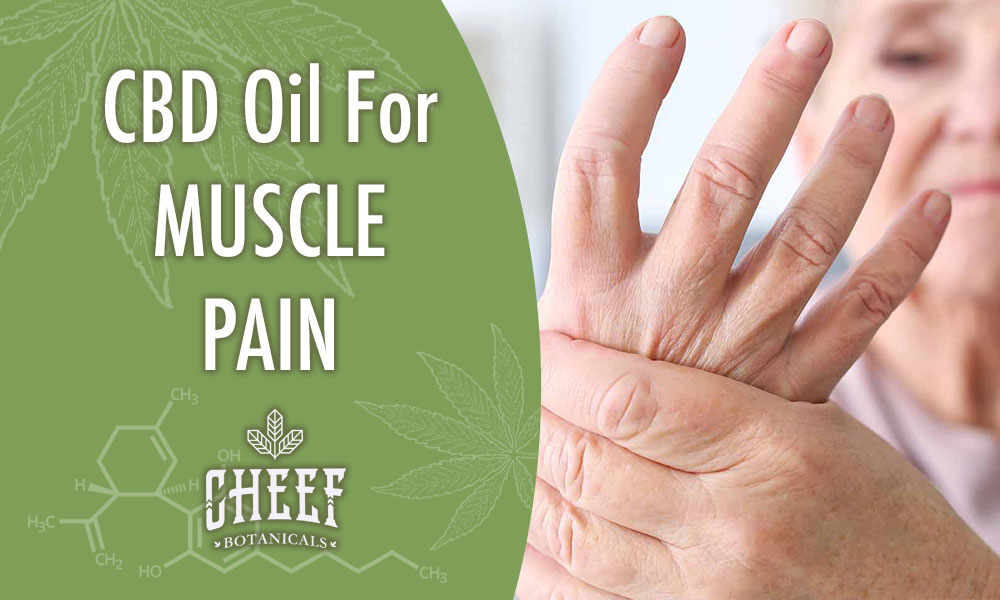
Muscle pain is something almost everyone experiences at some point—whether from workouts, daily stress, or underlying conditions. While it’s not a disease itself, it often signals strain, inflammation, or injury within the body.
Traditional treatments like painkillers and muscle relaxants can help, but they may also come with side effects or long-term risks. That’s why many people are exploring alternatives like cannabidiol (CBD), a non-intoxicating compound derived from the cannabis plant.
But does CBD actually work for muscle pain? Let’s break down the science, potential benefits, and best ways to use it.
Key Highlights
- CBD may support muscle pain relief by interacting with the endocannabinoid system, which helps regulate discomfort, inflammation, mood, and recovery.
- Muscle discomfort can come from workouts, overuse, strains, inflammation, delayed onset muscle soreness, or chronic conditions.
- CBD is non-intoxicating and may offer a gentler alternative for people looking to avoid some risks linked to traditional pain relievers.
- Topical CBD products are best for targeted muscle relief, while oral CBD options may provide longer-lasting, full-body support.
- CBD may help athletes and active users support post-workout recovery, muscle relaxation, soreness, and better rest.
- For best results, choose third-party tested CBD products, start with a low dose, and avoid applying topicals to broken or irritated skin.
What Causes Muscle Discomfort?
Muscle discomfort can result from a variety of everyday and medical factors, including:
- Overexertion during exercise or physical labor
- Muscle strains or minor tears
- Inflammation from injury or stress
- Delayed onset muscle soreness (DOMS) after workouts
Acute muscle pain is usually short-term, while chronic discomfort may be linked to underlying conditions like arthritis or connective tissue disorders.
What Is CBD, and Can It Work For Muscle Pain?

CBD (cannabidiol) is a naturally occurring compound found in cannabis. Unlike THC, it does not cause a “high,” making it appealing for people who want support without intoxication.
CBD interacts with the body’s endocannabinoid system (ECS)—a complex network of receptors that plays a crucial role in regulating pain, inflammation, mood, and overall bodily balance. By supporting the ECS, CBD may help alleviate pain by reducing inflammation and providing targeted relief for joint and muscle discomfort.
How CBD Works in the Body
The ECS helps maintain internal balance (homeostasis). CBD supports this system by influencing receptors (CB1 and CB2) and helping regulate naturally produced endocannabinoids.
Rather than blocking discomfort signals entirely, CBD may help the body respond more efficiently to physical stress and inflammation. Its anti-inflammatory properties are thought to play a significant role in pain management by reducing inflammation and potentially alleviating chronic pain conditions.
Anecdotal evidence from users also suggests that CBD may help with pain relief, though more rigorous scientific research is needed to confirm these effects.
Types of Discomfort CBD May Support
CBD is commonly used for:
- Chronic discomfort: Persistent, long-term sensations
- Acute discomfort: Short-term pain from injury or strain
- Acute-on-chronic discomfort: Flare-ups on top of existing conditions
CBD may also help manage neuropathic pain and nerve pain, which are common in conditions like multiple sclerosis, where muscular symptoms and discomfort often occur. Muscle pain can fall into any of these categories depending on the cause.
Traditional Treatment Options and Their Risks
Conventional treatments include NSAIDs, opioids, and muscle relaxants. While effective, they may carry risks such as:
- Nausea or digestive issues
- Drowsiness or impairment
- Liver strain (with long-term use)
- Dependence (especially opioids)
- Risk of overdose in severe cases
Because of these concerns, many individuals are turning to alternatives like CBD for a more balanced approach.
Why Some People Choose CBD for Muscle Support
CBD is often preferred because it:
- Is non-intoxicating
- Has a low risk of dependence
- May support inflammation response
- Can be used without disrupting daily activities
Instead of overriding the body’s systems, CBD works with them—supporting natural balance.
Can Athletes Use CBD for Recovery?
Yes, many athletes use CBD as part of their recovery routine. It may help:
- Support post-workout recovery and provide relief for sore muscles by reducing pain and inflammation
- Promote faster recovery by supporting muscle healing and reducing soreness
- Promote relaxation and better sleep
The World Anti-Doping Agency does not ban CBD, though athletes should still ensure their products are THC-free.
Is CBD Safe for Daily Muscle Support?
CBD is generally considered safe for daily use when taken responsibly and is generally well-tolerated in most individuals, according to the World Health Organization. However:
- Start with a low dose and increase gradually
- Consult a healthcare provider if taking other medications, as CBD can interact with certain medications by competing for liver enzymes, which may raise the levels of other drugs in your system
- Choose third-party tested products
- The CDC advises against using CBD during pregnancy due to potential risks
High doses of CBD may pose a risk of liver toxicity. Some users may experience mild side effects such as fatigue or digestive discomfort; common side effects include drowsiness, dry mouth, and changes in appetite, but these are typically uncommon.
Other Benefits of CBD for the Body
Muscle pain is often linked with inflammation, and CBD may help support both. Thanks to its anti-inflammatory properties, CBD has the potential to alleviate pain caused by chronic inflammation, making it a promising option for those seeking relief from persistent muscle discomfort.
CBD interacts with the CB1 and CB2 receptors, which help regulate inflammation and immune responses. This interaction may help reduce pain in chronic conditions by calming inflammatory responses.
Rather than shutting down signals, it helps promote balance (homeostasis), which may contribute to overall wellness.
Types of CBD for Muscle Discomfort: Topicals vs Edibles
Oral CBD (Edibles, Capsules, Oils)
- Best for long-lasting, full-body support
- Taking CBD orally requires understanding its effects and potential interactions with medications
- Slower onset (30–90 minutes)
- Effects may last several hours
Topical CBD (Creams, Balms, Salves)
- Ideal for targeted relief
- Faster onset (within minutes)
- Applied directly to sore areas, with many users incorporating applying CBD cream into their daily routine for enhanced muscle relaxation and pain relief
It's important to note that topical CBD products typically provide temporary relief and should be used as part of a broader pain management strategy to address the root cause of ongoing symptoms.
Additional Ingredients in CBD Products
Many CBD products, such as CBD creams and oils, are formulated with additional ingredients that enhance their pain-relieving and soothing effects. These added components work alongside CBD to provide more effective relief for joint and muscle pain, making them a popular choice for pain management.
Essential oils like eucalyptus, lavender, and rosemary are commonly included for their pleasant aromas and therapeutic benefits. These oils can help relax muscles and calm the senses, adding another layer of comfort to your pain relief routine. Ingredients such as menthol and camphor are often used to create a cooling or warming sensation on the skin, which can help distract from pain and provide immediate, localized relief for muscle and joint pain.
Does Smoking or Vaping CBD Provide Soreness Relief?
Smoking or vaping CBD—such as using CBD flower—allows it to enter the bloodstream quickly through the lungs.
This method offers:
- Fast-acting, full-body support
- Higher bioavailability
- Shorter duration compared to edibles
However, inhalation may not be suitable for everyone, especially those with respiratory concerns.
What Are the Best Products for Muscle Soreness?

The best option depends on your needs:
- Topicals: Best for targeted muscle relief to help relieve pain in specific areas
- Edibles: Best for long-lasting, full-body support to relieve pain and promote overall comfort
- Smoking/Vaping: Fastest overall effects for those seeking to find relief quickly
For optimal results, many users combine methods—such as a topical for localized discomfort and an edible for internal support—to find relief and relieve pain more effectively.
Importance of High Quality CBD
The effectiveness of CBD for pain relief and management depends heavily on the quality of the product you choose. High-quality CBD products are made from organically grown hemp, free from harmful chemicals, pesticides, or unnecessary additives. These products are manufactured under strict quality control standards to ensure safety and consistency.
Reputable CBD brands provide third-party lab test results, known as certificates of analysis (COAs), that confirm the product’s purity, potency, and accurate labeling. This transparency helps users trust that they are getting exactly what they expect—CBD that can truly help with joint and muscle pain, reduce inflammation, and improve mobility.
How to Use CBD for Muscle Pain
CBD can be used daily as part of a wellness routine. General tips include:
- Start with 15 mg once or twice daily—taking CBD may help reduce pain and support muscle recovery
- Increase gradually based on response
- Stay consistent with your dosage
Always consult a healthcare provider, especially if you’re taking other medications.
Home Care Tips with CBD
Incorporating CBD into your daily routine can maximize its benefits for pain relief and pain management. Consistent use of CBD products, such as applying a CBD cream in the morning and evening, can help maintain ongoing relief from joint and muscle pain and support muscle relaxation.
For enhanced results, consider combining CBD use with other home care practices like gentle stretching, massage therapy, or physical therapy. Applying topical CBD products, such as CBD creams or balms, directly to sore areas provides targeted relief. At the same time, CBD edibles—such as gummies or capsules—provide systemic support for muscle and joint health from within.
Where Not to Apply CBD Topicals
Avoid applying CBD topicals to:
- Open wounds or broken skin
- Sensitive areas like eyes or mucous membranes
- Severely irritated or infected skin
Always patch-test new products before full use.
Can You Combine Topical and Oral CBD?
Yes, combining methods is common and can be effective.
- Use topicals for targeted relief
- Use oral CBD for systemic support
When used responsibly, this combination may provide more comprehensive results, as combining methods may provide more comprehensive relief for muscle pain. Start slowly and monitor how your body responds.
How Long Does It Take for CBD to Work?
- Topicals: 5–15 minutes
- Edibles: 30–90 minutes
- Smoking/Vaping: Almost immediate
- Sublingual oils: 15–30 minutes
How Long Do the Effects Typically Last?
- Topicals: 2–4 hours
- Edibles: 6–8 hours
- Smoking/Vaping: 2–3 hours
- Sublingual CBD oil: 4–6 hours
Final Thoughts
CBD is gaining popularity as a natural option for muscle discomfort, especially for those looking to avoid the side effects of traditional medications.
While research is still developing, early findings and user experiences suggest that CBD may support inflammation response, recovery, and overall balance in the body.
For best results, choose high-quality products, start with a low dose, and consider combining methods for both targeted and full-body support.
Read more CBD Fitness articles here

 CBD Gummies - Top Seller
 CBD + THC Gummy - Excellent Choice
 Northern Lights - Highly Rated
 Full Spectrum CBD Oil - Good Value


Leave a comment
This site is protected by hCaptcha and the hCaptcha Privacy Policy and Terms of Service apply.