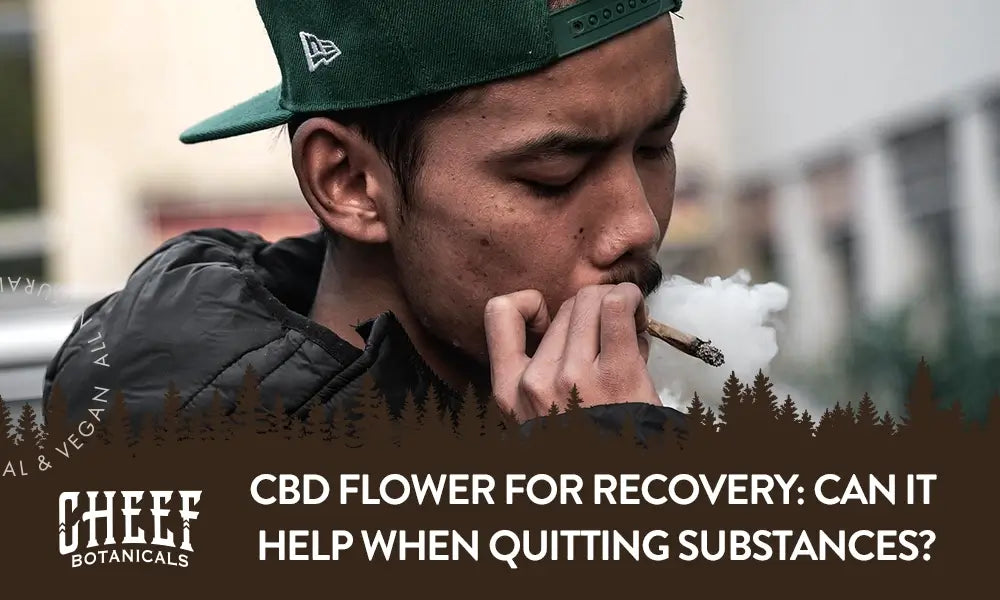
This guide looks at CBD flower for recovery in the context of substance use, rather than recovery after a workout. CBD’s non-intoxicating nature may spark your curiosity, especially compared with THC. CBD flower is not an approved treatment for substance use disorder or withdrawal, nor for cravings or relapse prevention.
Researchers have studied purified oral CBD for opioid and cannabis use disorders, which differs from commercial CBD hemp flower. Recovery plans differ from person to person. We’ll examine current research and THC exposure, then answer your recovery-program questions. Certificates of Analysis (COAs) deserve attention before you consider the available options in our CBD flower collection.
Key Highlights
- CBD flower is not an established treatment for substance use disorder or recovery.
- Studies of purified oral CBD do not prove commercial flower delivers equivalent results.
- CBD itself is non-intoxicating, but flower can contain THC and THCa.
- Review batch-matched COAs and consider drug-testing requirements.
- Smoking rituals may conflict with your personal recovery goals.
- Discuss CBD and medications with your treatment provider before considering Cheef products that your recovery plan permits.
What Is CBD Flower?
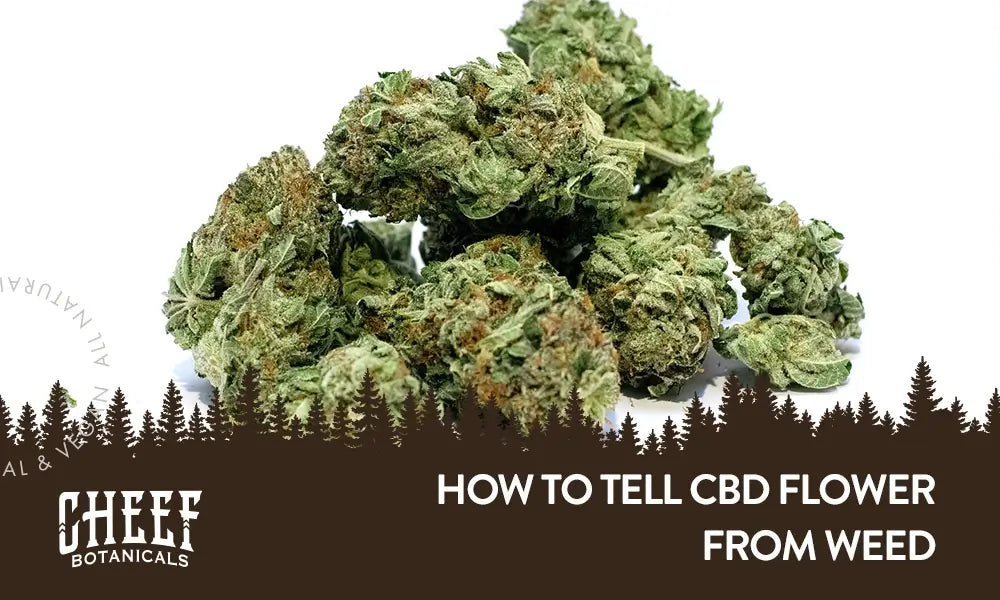
CBD flower is the dried flower of the hemp plant that growers cultivate for a CBD-rich cannabinoid profile. CBD itself is non-intoxicating. It does not produce the THC-driven euphoria associated with marijuana.

Yet CBD-rich does not mean CBD-only. Flower can contain THC and other cannabinoids alongside naturally occurring hemp compounds. These include terpenes, which give buds their distinctive aromas. Unlike purified CBD preparations in human studies, flower contains a mixture of compounds rather than a single isolated ingredient. You cannot treat the two as interchangeable simply because both contain CBD.
Why Are People Interested in CBD Flower During Recovery?
People may research CBD flower during addiction recovery because they encounter online claims about its possible effects. These claims may leave you wondering whether CBD flower has a place in your recovery plan. Common promises include:
- Reducing substance cravings
- Easing withdrawal symptoms
- Managing difficult emotions during recovery
- Encouraging better sleep
- Avoiding intoxicating THC
A persuasive pitch does not equal scientific evidence. Researchers continue studying CBD for substance use disorders, but they need more research to establish its role. Keep your established recovery plan at the center of your decisions. CBD flower should never replace professional treatment or counseling. Continue prescribed medications unless your treatment provider directs you otherwise.
CBD vs. THC During Substance Use Recovery
CBD, or cannabidiol, is a non-intoxicating cannabinoid from the cannabis plant. THC, also a cannabinoid, is responsible for cannabis’s euphoric effects. SAMHSA draws this distinction between the two compounds. That difference may prompt you to consider using CBD during recovery.
But CBD flower does not automatically mean THC-free. The name emphasizes CBD, but the flower can still contain THC. Recovery goals are deeply personal, especially if yours include avoiding THC entirely. If you avoid all cannabis products, hemp flower also falls within that boundary. A CBD label alone cannot tell you whether flower aligns with your recovery plan.
Can CBD Flower Get You Euphoric?
Yes, CBD flower can produce euphoria if it delivers enough THC, although CBD itself is non-intoxicating. Hemp flower can contain THC and THCa, which converts to THC with heat. For cannabis users, the THC dose and individual sensitivity affect that risk.
Check the Certificate of Analysis (COA) for your specific flower and batch. It provides the best verification of cannabinoid content. A strain name cannot confirm product quality or cannabinoid amounts. Never assume every CBD flower product rules out THC-related effects.
Review these results from the COA:
- CBD/CBDA
- Delta-9 THC
- THCa
- Total THC
What Does Research Say About CBD and Substance Use Recovery?
Research has not established commercial CBD flower as a treatment for addiction or recovery. Researchers have investigated CBD for several substance use disorders in people. Early findings raise questions that further trials must answer.
A recent umbrella review combined findings from multiple research reviews. It found limited, inconclusive results for reducing or stopping cannabis, tobacco, alcohol, opioids, and other substances. Study designs and sample size can limit conclusions about potential benefits. For you, the distinction is straightforward: promising findings do not turn commercial CBD products into established recovery treatments.
CBD Research for Opioid Use Disorder
The 2019 American Journal of Psychiatry CBD and heroin use disorder study tested oral CBD at 400mg or 800mg. This randomized, placebo-controlled clinical trial involved people with heroin use disorder who had stopped drug use. CBD lowered cue-induced cravings and anxious responses versus placebo, offering support for further research.
A later pilot study of CBD with buprenorphine or methadone treatment examined CBD alongside these established treatments. Only 10 participants completed all study procedures. That small group makes the findings preliminary.
The systematic review of CBD for opioid use disorder identified only four clinical studies involving 74 participants, alongside preclinical research. These studies used controlled oral CBD preparations at specific research doses. They do not show that smoking or vaping commercial hemp flower produces equivalent results.
Discuss treatment decisions with healthcare professionals rather than applying study findings to flower. Your recovery deserves care grounded in established treatment.
CBD Research for Cannabis Use Disorder
The 2020 Lancet Psychiatry CBD trial for cannabis use disorder tested purified oral CBD at 200mg, 400mg, and 800mg. This phase 2a randomized trial examined cannabis addiction under controlled conditions. Researchers dropped 200mg as ineffective, while results favored 400mg and 800mg over placebo for cannabis-use outcomes.
Those findings describe a study medication, not commercial hemp flower. Participants also received motivational interviewing, a counseling approach that helps people consider their reasons for quitting. The trial does not establish that smoking CBD flower helps you stop using cannabis or delivers equivalent benefits. Commercial CBD oil cannot claim those results either.
NIDA guidance on cannabis use disorder treatment states that no FDA-approved medications exist for this disorder or medically assisted cannabis withdrawal. Behavioral treatments have evidence behind them. These include cognitive behavioral therapy, which helps you identify and address unhelpful thought patterns. Research interest in CBD does not replace these established care options.
Why CBD Studies Don't Prove CBD Flower Helps with Recovery
Clinical research tests a defined preparation under specific conditions. Researchers may give purified CBD orally in controlled doses reaching hundreds of milligrams. They use known formulations and select participants who meet precise criteria. Clinical supervision separates these trials from everyday consumption. An animal study adds another limitation: findings in animals cannot establish outcomes in people.
Commercial flower has variable cannabinoid concentrations, and people generally smoke or vape it. Inhaled CBD can enter the bloodstream faster than swallowed CBD, but faster absorption does not guarantee immediate effects. You cannot substitute it for a pharmaceutical drug or research-grade preparation.
A 400mg oral CBD study does not prove that smoking a particular strain produces matching results. Claims about symptoms or well-being need evidence for the actual product and intended use. Sharing CBD as an ingredient does not make these products interchangeable.
CBD Flower vs. Other CBD Products During Recovery
Flower is one CBD option among several for many individuals. Other CBD formats include oils and gummies, along with creams and capsules. Some CBD oils have directions for placing drops under your tongue. No format offers established treatment for substance use disorder, withdrawal, cravings, or relapse prevention. Studies used controlled oral preparations at research doses, not retail products.

Gummies remove flower handling and associated smoking rituals. A low dose does not recreate research conditions or establish relief during the withdrawal phase. Discuss these factors with your treatment provider:
- THC exposure and drug-testing requirements
- Your definition of sobriety
- Previous consumption rituals
- Ingredients and CBD amount
- Current medications and other substances
- Your personal recovery goals
CBD Isolate May Appeal to People Who Want CBD without the Flower Ritual
CBD isolate contains highly purified cannabidiol (CBD) from Cannabis Sativa, with most other hemp compounds removed. You can consume it without grinding, rolling, smoking, or vaping. This separates CBD consumption from flower rituals you may avoid. Some people add food-compatible CBD isolate to baked goods or smoothies. CBD also appears in skincare products.
Our Cheef Botanicals CBD Isolate offers 99%+ pure CBD as white crystalline powder. We provide third-party lab testing. Check the current product COA rather than trusting THC-free marketing alone. For you or a loved one, a non-addictive label cannot guarantee a negative drug test.
Isolate resembles purified research CBD more closely than whole flower does. Our commercial product still differs from research formulations and dosing conditions. Do not recreate the 400mg or 800mg research doses yourself. Discuss any proposed use with your treatment provider.
CBD Gummies Offer a Premeasured, Non-Inhaled Option
Gummies let you consume CBD without smoking or handling hemp flower. Each contains a predetermined amount, so you skip weighing loose isolate. Our Cheef Botanicals CBD Gummies include 25mg, 50mg, and 100mg strengths, alongside other cannabinoid formulas.
Not every gummy is THC-free. Our CBD + THC gummies contain measurable Delta-9 THC. Check your specific product’s current COA for Delta-9 THC, THCa, and Total THC before choosing.
Retail gummies differ from the controlled oral preparations used in research. Studies involving the brain or endocannabinoid system do not establish these gummies as treatments for opioid addiction or sleep concerns. Nor do gummies offer established treatment for cravings, withdrawal, or relapse prevention. Convenience describes the format, not its role in your recovery plan.
Can CBD Flower Replace Substance Use Disorder Treatment?
No. CBD flower cannot replace evidence-based substance use disorder treatment. SAMHSA describes care that can include FDA-approved medications alongside counseling or behavioral therapies. Your provider tailors treatment to your needs and the substance involved.
If you receive medication for opioid use disorder, do not stop or adjust it in favor of flower without consulting your provider. “CBD safe” marketing does not establish a treatment for substance abuse. Neither claims about insomnia nor neuroprotective properties justify replacing proven care. We offer commercial CBD products, not alternatives to your prescribed treatment plan.
Is CBD Flower Appropriate for Everyone in Recovery?
No. CBD flower is not appropriate for every recovery plan. Research from the past decade cannot determine your personal suitability.
Smoking cannabis-derived flower may conflict with cannabis use disorder treatment goals. SAMHSA notes that cannabis use can develop into this disorder. Discuss these considerations with your provider:
- Your definition of sobriety
- Cannabis history or use disorder
- THC avoidance and drug-testing requirements
- Recovery-program expectations
- Drug-related triggers from smell or paraphernalia
- Flower handling, smoking, or rolling rituals
- Current medications and heart rate concerns
- Your treatment provider’s guidance
- Your individual recovery goals
The Smoking Ritual May Matter During Recovery
CBD flower can recreate familiar routines even when CBD itself does not intoxicate. Its buds can resemble THC-rich cannabis in appearance and aroma. Grinding and rolling involve familiar actions, while smoking uses similar paraphernalia. Smoking CBD flower also exposes your lungs to respiratory irritants found in cannabis smoke.
If you previously smoked during stress or anxiety, consider what repeating that routine means for your recovery. The same applies if smoking accompanied pain management. A familiar ritual does not guarantee relapse, but non-intoxicating CBD does not erase your personal associations. Discuss these connections with your treatment provider, especially after cannabis or other smoked substance use.
Does CBD Flower Contain THC?
CBD hemp flower can contain THC and THCa. “CBD flower” does not mean THC-free flower. Review the product’s current third-party COA to verify its cannabinoid profile.
Check these results for your specific batch:
- Delta-9 THC
- THCa
- Total THC when reported
- CBD/CBDA
If your recovery goals require complete THC avoidance, measurable THC can conflict with your plan. Drug testing also requires careful consideration. No CBD flower product guarantees a negative drug-test result. A CBD label cannot tell you whether a product meets your recovery program’s specific testing requirements.
How to Read a CBD Flower COA During Recovery
Start by matching the COA to your flower. Confirm the product name and batch before reading percentages. Review these details:
- Product/strain name
- Batch or sample information
- Testing date
- CBD and CBDA
- Delta-9 THC
- THCa
- Total THC when reported
- Other cannabinoids
- Testing laboratory
A COA offers more useful information than “CBD flower,” “hemp,” or “non-intoxicating” marketing alone. Strain names cannot verify cannabinoid content. If your recovery plan requires complete THC avoidance, measurable THC may conflict with that goal. Ask the seller for a matching report if any important details appear unclear.
Cheef Botanicals CBD Hemp Flower
For adults whose recovery plan permits flower, our Cheef Botanicals CBD Hemp Flower collection offers carefully grown hemp with familiar strain choices. We pair thoughtful cultivation with third-party COA transparency. You can review cannabinoid potency and THC results before making your selection.

Here’s what you can expect from our collection:
- Accessible third-party COAs with detailed cannabinoid testing results.
- Popular Indica, Sativa, and Hybrid CBD strains.
- Professionally grown, high-quality CBD hemp flower.
- Northern Lights, Sour Diesel, Sour Space Candy, Skywalker OG, and OG Kush among our listed strains.
- Farmers in Oregon and Colorado who use organic farming methods and non-GMO crops.
- Greenhouse cultivation with light-deprivation methods.
- Hand-trimmed buds for careful finishing.
Choose with product information at your fingertips. Check current availability, then match the applicable COA to your chosen product and batch. Let your recovery goals and treatment provider’s guidance direct your decision. We make the product details accessible so you can compare confidently.
What to Consider Before Consuming CBD Flower During Recovery
Your recovery goals come first. Flower is not universally appropriate. Ask yourself:
- Does flower align with my individual recovery goals?
- Am I avoiding all cannabis products?
- Am I avoiding THC?
- Could smoking cannabis-like flower create unwanted associations?
- What does my recovery program expect?
- Do I face drug testing?
- Have I checked the current COA?
- Do I take prescription medications?
- Have I discussed CBD with my treatment provider?
Over-the-counter CBD products vary in content and quality. SAMHSA cautions that nonprescription products lack uniform federal standards for content, purity, or potency.
CBD can also decrease appetite, so discuss appetite concerns during addiction recovery with your treatment provider. CBD can cause queasiness and fatigue, so discuss possible side effects with your treatment provider. Use verified information and professional guidance to make your own decision.
CBD Flower Use for Recovery: The Bottom Line
CBD flower is not an established treatment for substance use disorder or recovery. CBD itself is non-intoxicating, but flower can contain THC and recreate familiar smoking rituals. Early findings on purified oral CBD justify further research, but limited evidence does not establish equivalent outcomes for commercial flower.
Your recovery goals should guide your choice. Weigh THC avoidance and drug-testing requirements, then discuss medications and personal associations with your treatment provider. If your recovery plan permits flower, browse Cheef Botanicals CBD Hemp Flower collection. Review the current applicable COA before consuming, and let verified cannabinoid results inform your final decision.

 CBD Gummies - Top Seller
 CBD + THC Gummy - Excellent Choice
 Northern Lights - Highly Rated
 Full Spectrum CBD Oil - Good Value

Leave a comment
This site is protected by hCaptcha and the hCaptcha Privacy Policy and Terms of Service apply.