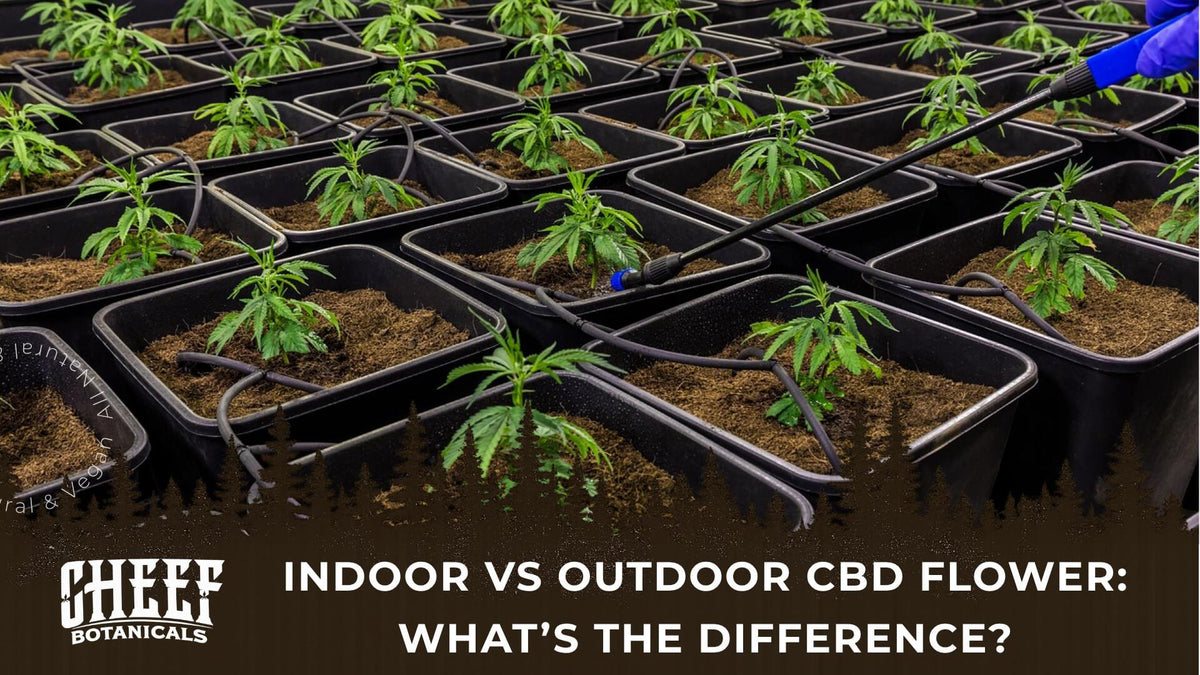
Indoor vs outdoor CBD flower differs in growing conditions, appearance, aroma, potency, consistency, and price. Indoor cultivation gives growers precise environmental control, often producing dense, uniform buds with consistent cannabinoid levels. Outdoor cultivation relies on natural sunlight, which can support larger yields and complex terpene profiles at a lower production cost.
Neither method guarantees better CBD flower. Genetics, cultivation methods, harvesting, drying, curing, and quality control also shape the final product. This guide compares the key differences to help buyers understand what each option offers.
Indoor CBD Flower Defined
Indoor CBD flower comes from hemp plants grown inside a controlled environment, such as a warehouse or dedicated cultivation facility. Indoor growers manage the light source, temperature, humidity, airflow, water, and nutrients throughout the growing cycle. This environmental control can support consistent flower development, cannabinoid concentrations, and overall quality.
However, indoor cultivation requires specialized equipment and significant electricity for lighting, ventilation, and climate control, which increases production costs and energy use.
Outdoor CBD Flower Defined
Outdoor CBD flower comes from hemp plants grown outdoors under natural sunlight and changing environmental conditions. This method gives plants more room to grow, which can support larger plants and harvests exceeding two pounds per plant.
- Sunlight: Provides the primary light source and reduces reliance on artificial lighting.
- Soil: Supplies the root environment for water and nutrient uptake.
- Weather: Influences plant growth through rainfall, wind, heat, and other conditions.
- Seasonal changes: Shape the natural growing cycle from planting through early fall harvests.
- Local climate: Determines how suitable an area is for outdoor cultivation.
Outdoor growers have less environmental control because temperature, humidity, rainfall, and sunlight can change throughout the season.
Indoor vs Outdoor CBD Flower at a Glance
|
Factor |
Indoor CBD Flower |
Outdoor CBD Flower |
|---|---|---|
|
Lighting |
Controlled artificial lighting |
Natural sunlight |
|
Climate |
Highly controlled |
Weather dependent |
|
Appearance |
Often denser and more uniform |
Often larger and less uniform |
|
Aroma |
Can be strong and consistent |
Can also be rich and complex |
|
Potency |
Often highly consistent |
Varies more by environment |
|
Price |
Usually higher |
Often lower |
|
Energy Use |
Higher |
Lower |
|
Harvest Size |
More limited |
Can be much larger |
Potency Comparison
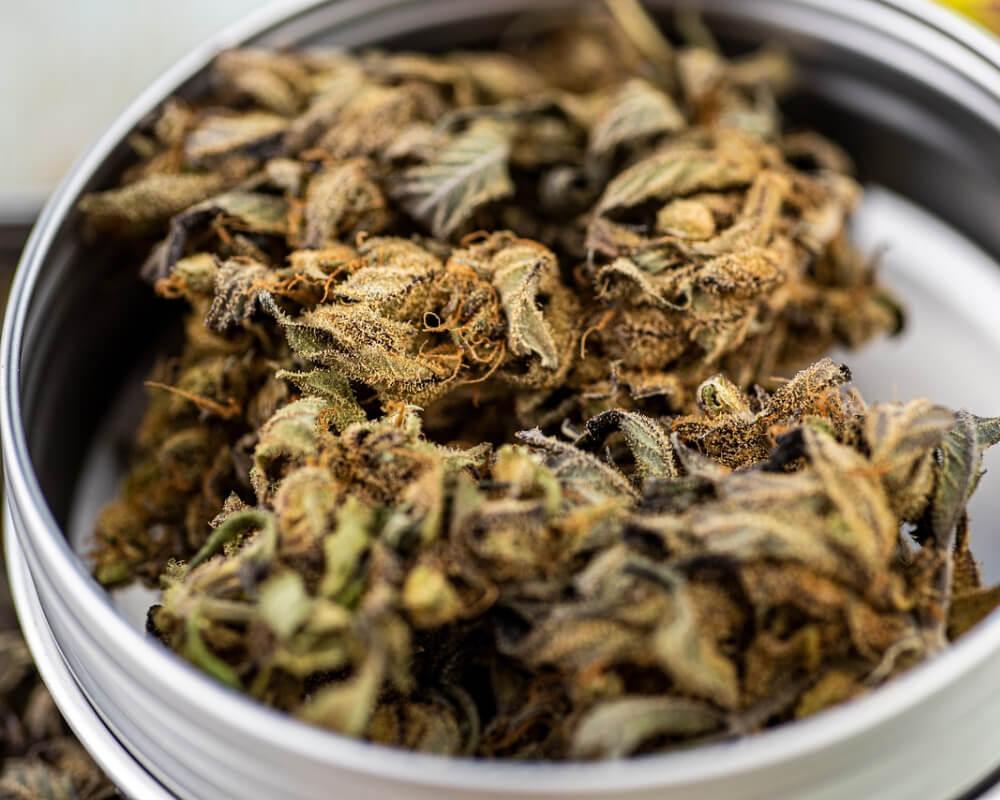
Indoor CBD flower can offer more consistent cannabinoid concentrations, but indoor cultivation does not automatically produce more potent flower. A controlled environment helps growers maintain stable growing conditions, while outdoor conditions introduce more variables that can affect cannabinoid development.
Potency depends heavily on factors beyond indoor vs outdoor cultivation:
- Genetics: Sets the plant’s potential cannabinoid profile.
- Plant health: Supports proper cannabinoid and flower development.
- Harvest timing: Affects cannabinoid levels at the time of harvest.
- Drying and curing: Can influence the cannabinoid content and quality of finished buds.
Some indoor flower can reach CBD concentrations of 15 to 25%, while outdoor hemp can also exceed 20%. Instead of judging potency by cultivation method, shoppers should check the product’s certificate of analysis, or COA, for tested CBD and other cannabinoid levels.
Comparing Terpenes and Aroma
Neither indoor nor outdoor cultivation always produces a stronger terpene profile or aroma. Genetics, temperature, light, humidity, and curing all influence terpene expression. Indoor growers can carefully manage these conditions to protect terpene-rich buds, which often produce pronounced aromas.
However, well-grown outdoor flower can develop complex profiles through natural sunlight and environmental interactions. Depending on the strain and growing conditions, CBD flower may carry notes of pine, citrus, berry, floral, earth, or diesel.
Appearance Similarities and Differences
Indoor flower often has tighter, more uniform buds with stronger bag appeal, while outdoor buds may appear larger, looser, and less consistent. These visual differences mainly reflect each growing environment, not potency.
Common differences include:
- Bud density: Indoor buds typically grow denser and tighter, while outdoor buds can develop a looser structure.
- Trichome coverage: Indoor flower often looks frostier, while outdoor flower may show less visible trichome coverage.
- Color: Indoor-grown flower commonly appears brighter green, while outdoor flower may develop darker tones.
- Trim: Indoor buds often receive a closer trim for a polished appearance.
- Bud size: Outdoor plants have more space to produce bigger buds, sometimes with thicker stems.
- Uniformity: Controlled indoor conditions can produce more visually consistent flower.
Outdoor CBD flower may also show minor blemishes from exposure to wind, rain, and other outdoor conditions. These cosmetic differences do not indicate poor quality or lower CBD concentrations.
Why Indoor CBD Buds Often Look More Uniform
Indoor CBD buds often look more uniform because growers control light distribution, temperature, humidity, and other environmental factors throughout cultivation. Growing plants inside also protects them from wind, rain, and sudden weather changes that can affect bud development.
Careful cultivation and trimming practices further create a consistent, polished appearance. However, visually uniform indoor buds do not necessarily contain higher cannabinoid levels than outdoor buds.
Flavor Comparison
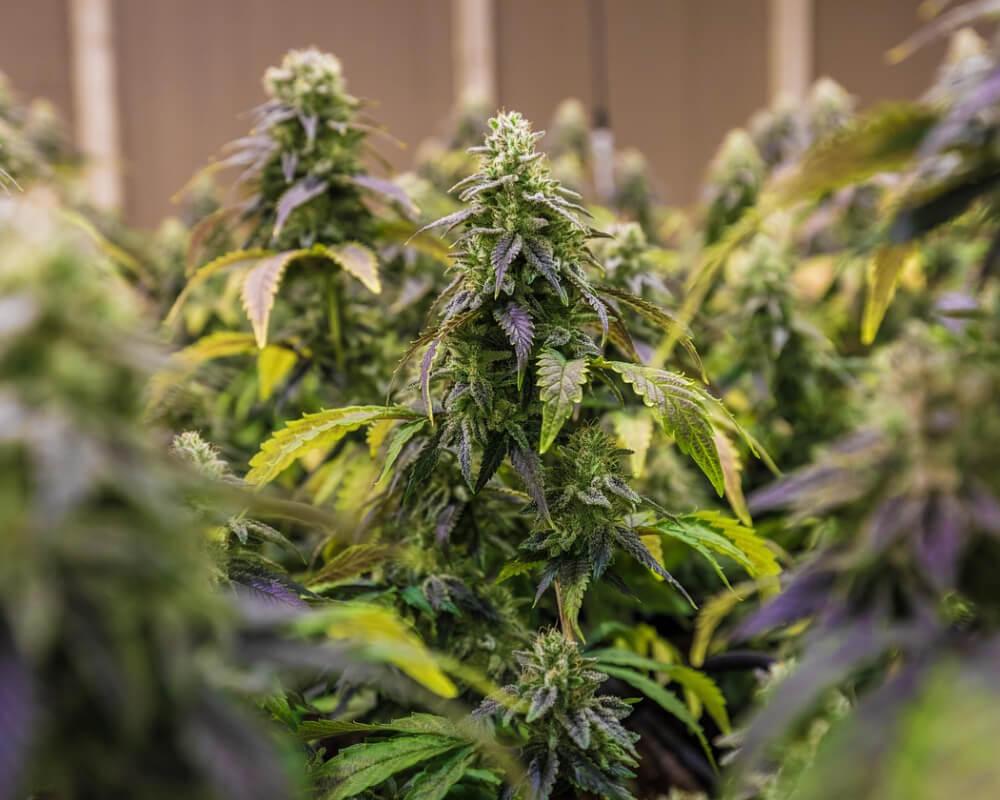
Terpenes largely shape the flavor of CBD flower, but strain genetics provide the foundation for its taste. Indoor cultivation lets growers manage conditions that support controlled terpene development, while outdoor cultivation exposes plants to natural environmental factors that can influence flavor.
Drying and curing also play a major role, as proper handling helps preserve terpenes and creates a smoother, more defined taste when smoked or vaporized.
CBD Flower Indoor vs Outdoor Quality and Consistency
Indoor-grown hemp flower often delivers greater consistency from one harvest to the next because growers can maintain stable conditions throughout cultivation. Outdoor CBD flower faces more variables, including shifts in temperature, rainfall, humidity, and seasonal cycles, which can create differences between harvests.
Still, indoor vs outdoor cultivation alone does not determine quality. Skilled outdoor growers can produce high-quality flower when they grow hemp outdoors in an ideal climate and manage the crop properly.
Several post-harvest practices also affect the final product:
- Curing: Develops and preserves the flower’s desirable characteristics.
- Trimming: Removes excess plant material and improves presentation.
- Moisture: Proper levels help maintain flower quality during storage.
- Packaging: Protects buds from excess air, light, moisture, and physical damage.
Strong quality control throughout these stages matters for both indoor and outdoor flower.
How Do They Compare in Price?
Indoor CBD flower generally costs more because indoor growers carry higher production expenses. Outdoor CBD flower usually costs less to produce because sunlight and open growing space reduce the need for energy-intensive systems.
Common indoor expenses include:
- Grow lights: Replace natural sunlight during cultivation.
- Electricity: Powers lighting, ventilation, irrigation, and other equipment.
- Climate control: Maintains suitable temperature and humidity levels.
- Indoor space and equipment: Add facility, setup, and maintenance costs.
- Labor: Covers frequent plant care and facility management.
Outdoor cultivation avoids many of these expenses and can produce larger yields per plant. These lower production costs often make outdoor flower a practical choice for value-focused shoppers seeking more CBD flower for their budget.
Which Produces Larger Buds?
Outdoor hemp plants often produce bigger buds and higher yields because they have more space to grow and receive natural sunlight throughout the season. Outdoor yields can exceed two pounds per plant, while indoor-grown hemp typically yields about 0.5 to 2 pounds per plant.
Indoor growers often prioritize dense buds and carefully managed growth instead. Still, larger buds do not automatically indicate greater potency or better quality.
Indoor vs Outdoor Growing and Contaminant Exposure
Outdoor plants face greater exposure to environmental contaminants because they grow in open conditions. Indoor cultivation gives growers more control over potential sources of contamination, but it does not eliminate them.
Outdoor hemp may encounter:
- Dust: Can settle on flowers during growth.
- Pests: Have easier access to plants grown outdoors.
- Rain: Adds moisture that can increase mold pressure.
- Environmental contaminants: Soil, water, and nearby pollution may introduce unwanted substances, including heavy metals.
Indoor plants can also develop mold or pest problems when growers poorly manage humidity, airflow, sanitation, or plant health. For both cultivation methods, third-party lab testing provides the most reliable way to check CBD flower for contaminants and verify quality.
Sustainability
Outdoor cultivation often uses less energy because natural sunlight replaces grow lights and reduces the need for intensive climate control. Indoor cultivation can require substantial electricity for lighting, ventilation, and temperature management, which may increase its carbon footprint. Still, sustainability depends on more than energy use.
Water consumption, land use, local climate, cultivation techniques, energy sources, and growing conditions all affect environmental impact, so neither indoor nor outdoor cultivation qualifies as universally more sustainable.
Smoking and Vaping Similarities and Differences
Indoor and outdoor CBD flower can provide similar smoking and vaping experiences when growers dry, cure, and store the buds properly. The indoor vs outdoor label alone does not determine how the flower performs during use.
- Smoothness: Proper drying and curing can reduce harshness.
- Aroma: Heat releases the flower’s aromatic compounds during use.
- Flavor: Genetics and preserved terpenes largely shape the taste.
- Moisture: Balanced moisture helps prevent overly dry or difficult-to-burn flower.
- Grind: Bud density and moisture affect how easily the flower breaks apart.
- Burn: Properly cured flower tends to burn more evenly.
People can also use either indoor or outdoor flower in a dry-herb vaporizer instead of smoking it.
Which Is Right for You?
The right CBD flower depends on the qualities that matter most to the shopper. Indoor flower may be the perfect match for those who prioritize polished appearance and consistency, while outdoor flower may suit buyers who prioritize value and quantity.
- Choose indoor: For strong bag appeal, dense buds, consistent batches, and carefully controlled cultivation.
- Choose outdoor: For lower prices, larger quantities, natural sunlight cultivation, and practical everyday flower.
For either option, check the certificate of analysis for cannabinoid and contaminant results. Also consider freshness, proper packaging, and overall flower condition instead of relying on the indoor or outdoor label alone.
Cheef Botanicals Indoor CBD Flower Options
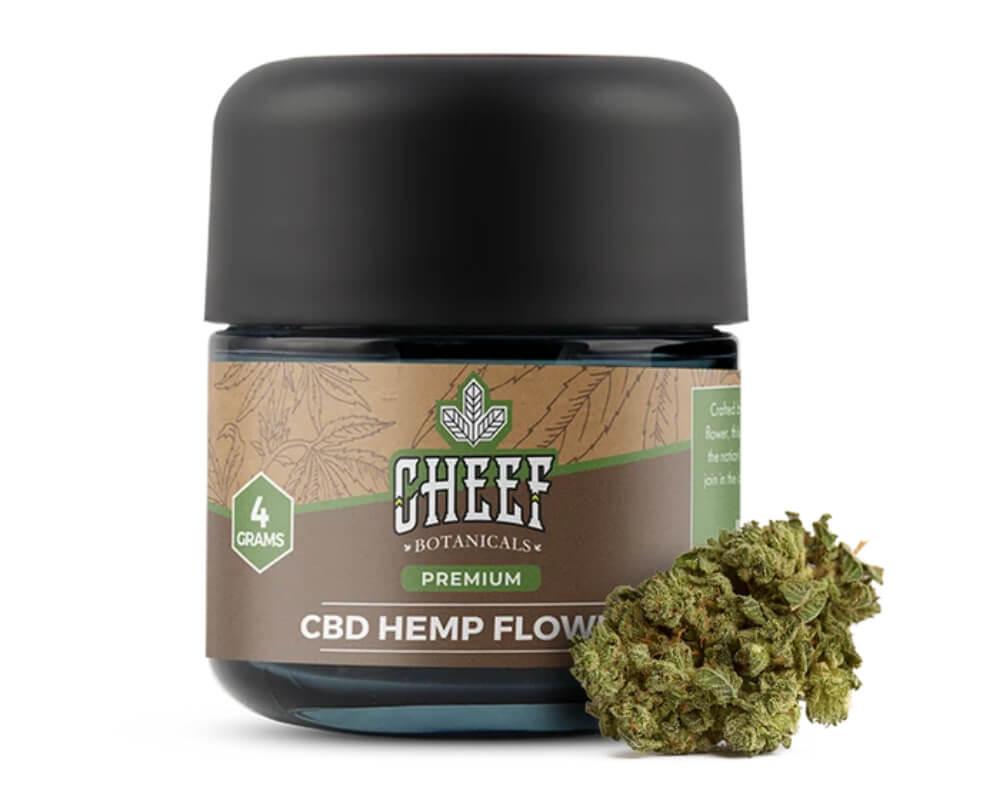
Our CBD Flower collection features indoor-grown CBD flower in full-size buds, small buds, and convenient pre-rolls. Current strain options include:
- Northern Lights
- Hawaiian Haze
- Sour Diesel
- Sour Space Candy
- OG Kush
- Skywalker OG
We also provide third-party Certificates of Analysis, allowing shoppers to review cannabinoid potency and testing information before choosing a product. These lab results offer more useful quality information than the indoor-grown label alone.
What To Compare Before Buying
Before buying CBD flower, compare cultivation details, lab results, product format, and price. Indoor vs outdoor cultivation matters, but it should remain one factor in the final choice.
- Cultivation method: Check if the flower was grown indoors or outdoors.
- CBD percentage: Compare tested CBD concentrations.
- THC and THCa levels: Review cannabinoid levels on the COA.
- COA results: Check potency and contaminant testing.
- Strain: Consider genetics and expected characteristics.
- Terpene profile: Compare the terpenes that influence taste and aroma.
- Bud size: Choose based on size and intended use.
- Full-size vs. smalls: Compare format, quantity, and value.
- Price per gram: Use unit pricing for a fair comparison.
- Aroma and flavor: Choose a profile that matches personal preferences.
Is Indoor CBD Flower Better Than Outdoor CBD Flower?
Indoor CBD flower is not automatically better than outdoor CBD flower. Indoor-grown hemp may suit shoppers who prioritize consistency, dense buds, controlled cultivation, and visual appeal, while outdoor-grown hemp may suit those seeking lower prices, larger quantities, and sun-grown flower.
A well-grown outdoor crop can easily outperform poorly grown indoor flower. Genetics, cultivation skill, curing, freshness, and third-party lab results provide stronger indicators of quality than the indoor or outdoor label alone.
Frequently Asked Questions
Does indoor CBD flower have to grow in soil?
No. Indoor growers can cultivate hemp in soil or use soilless and hydroponic systems. The term "indoor" describes the growing environment, not the medium that supports the plants.
Can the same CBD strain grow indoors and outdoors?
Yes. Growers can cultivate many hemp strains in either environment. However, each strain may respond differently to available space, climate, light, and other growing conditions.
Where does greenhouse-grown CBD flower fit?
Greenhouse growing combines features of indoor and outdoor cultivation. Greenhouses can use sunlight while giving growers more environmental control and protection than open-field cultivation.
Can outdoor CBD flower grow year-round?
Not in every climate. Outdoor cultivation follows local temperatures, daylight hours, and seasonal cycles, so growers in many regions work within a limited growing season. Locations with an ideal climate may support longer cultivation periods.
Does indoor-grown CBD flower use artificial light only?
Not always. Many indoor facilities rely on grow lights, but some cultivation setups can incorporate sunlight alongside supplemental lighting. The specific light source depends on the facility and cultivation methods.
Final Thoughts on Outdoor vs Indoor CBD Flower
Choose indoor CBD flower for consistent, dense, carefully cultivated buds with strong bag appeal, especially if paying more is not a concern. Choose outdoor flower for better value, larger quantities, and sun-grown cultivation when appearance matters less.
Discover more CBD flower guides here.

 CBD Gummies - Top Seller
 CBD + THC Gummy - Excellent Choice
 Northern Lights - Highly Rated
 Full Spectrum CBD Oil - Good Value

Leave a comment
This site is protected by hCaptcha and the hCaptcha Privacy Policy and Terms of Service apply.