THC and CBD may come from the same plant, but they bring very different energy to your session. The THC vs CBD matchup highlights two distinct ways to enjoy cannabinoids. Your choice depends on whether you want a classic high or clear-headed calm.
This guide explains their benefits, effects, legal differences, and product types. You’ll learn how each cannabinoid works, what the experience may feel like, which one may be right for you, and what to expect before trying either.
Key Highlights
- THC produces a traditional high, while CBD generally does not.
- Both may support relaxation and physical comfort in different ways.
- Inhaled products often act faster than edibles.
- Edibles may take longer to work, but their effects often last longer.
- Your goals, tolerance, and schedule can guide your choice.
- Check local laws before buying, since rules differ by state.
What Is THC?

THC, or tetrahydrocannabinol, is a natural cannabinoid in cannabis. It is best known for its psychoactive properties, which can create euphoria and relaxation. It can also alter how you experience sights and sounds.
THC binds strongly to CB1 receptors, mainly in the brain. These receptors form part of the body's endocannabinoid system (ECS). This interaction causes the temporary high and other noticeable effects.
Potential Benefits and Uses of THC
THC appeals to adults who enjoy an uplifting mood and the classic cannabis high. Depending on the amount, it may also bring deep relaxation. Many consumers choose it for evenings.
THC may promote physical comfort and help increase your appetite. Some people use medical cannabis for chronic pain, though results vary. Choose a modest amount when trying an unfamiliar product. Your tolerance, product type, and desired experience can guide the serving.
What Does THC Feel Like?
THC can make your mood and senses feel different. You may feel cheerful, calm, or sleepy. Food may seem more appealing, while music can sound richer.
That said, this compound can produce different effects from one person to another. A low dose may feel gentle and uplifting. Larger servings may feel deeper and last longer, depending on your tolerance and chosen product format.
What Is CBD?
CBD, or cannabidiol, is a natural cannabinoid in cannabis. Unlike THC, it is generally non-psychoactive and does not create the traditional high. CBD interacts with several systems in the human body. However, it does not activate CB1 receptors as directly as THC.
The FDA approved Epidiolex for the treatment of seizures tied to certain rare disorders. It's a prescription medicine containing purified CBD. That approval, however, does not cover regular retail CBD products or other cannabis-derived compounds. For added confidence, buy lab-tested CBD products with an up-to-date Certificate of Analysis (COA).
Potential Benefits and Uses of CBD
CBD provides a non-intoxicating option for plant-based care. Many consumers choose it for calm or everyday physical comfort. Others add it to a relaxing nighttime routine.
Research into CBD’s potential health benefits continues, so avoid treating early findings as promises. Some people report reducing anxiety or easing occasional soreness through regular CBD use, but results differ. CBD topicals also offer targeted care as part of your well-being routine.
What Does CBD Feel Like?
CBD often feels gentle rather than dramatic. It does not cause the head or body high linked to THC. You may simply feel calm, settled, or physically at ease.
Because CBD feels subtle, therapeutic benefits may not always feel distinct. Some people notice changes in their symptoms quickly. Others recognize the result only after consistent use, and personal experiences vary.
What Do THC and CBD Have in Common?
THC and CBD are natural plant compounds found in cannabis plants (marijuana and hemp). Hemp and marijuana plants belong to the same species, the Cannabis Sativa plant, but their cannabinoid profiles and legal definitions differ.
Under current federal law, hemp contains no more than 0.3% Delta-9 THC by dry weight, while cannabis that exceeds this limit is classified as marijuana. These two substances interact with the ECS. They also appear in oils, gummies, and other cannabis products.
What Are the Main Differences Between THC and CBD?
The big difference is intoxication, but that's not the only distinction. THC and CBD interact with the body in different ways. Their onset, duration, legal status, and best uses may also vary. Let's take a closer look at these differences below.
How THC and CBD Interact with the Body
Across your body, the endocannabinoid system helps manage mood, appetite, sleep, and physical comfort. THC binds directly to CB1 receptors in this system, especially those in the brain.
CBD works less directly through many signaling pathways. It may affect how the body responds to THC and other cannabinoids. High doses of THC can raise the chance of THC side effects, so consider serving size carefully.
Intoxicating Effects and Mental Clarity
THC produces the psychoactive effects many consumers intentionally seek. It may create euphoria or deeper relaxation. Food and music may also feel more vivid.
CBD can promote calm without the same high. It can work well when you want a clear head during your routine. To limit potential harms, avoid combining THC with alcohol and never drive after using it.
Onset and Duration of Effects
Product format can influence when effects begin and how long they last. Inhaled cannabinoids often work within minutes, giving you quicker control. Edibles usually take longer to begin but can last several hours.
Oils can vary based on how you take them. Your amount and metabolism can affect timing. Tolerance and recent food intake may affect the overall experience, too.
CBD vs THC Comparison Chart
This chart places CBD vs THC side by side for a quick, easy read. Actual effects may vary by product, serving size, tolerance, and your personal sensitivity.
|
Feature |
CBD |
THC |
|---|---|---|
|
Traditional high |
No |
Yes |
|
Common uses |
Calm, daytime support, physical comfort |
Euphoria, relaxation, appetite, physical comfort |
|
CB1 activity |
Indirect |
Direct |
|
Common formats |
Oils, gummies, capsules, flower, topicals |
Edibles, flower, vapes, oils, concentrates |
|
Onset |
Depends on format |
Depends on format |
|
Drug-testing risk |
Possible if THC is present |
Likely |
Are CBD and THC Legal?
CBD and THC legality depends on product and location. The 2018 Farm Bill defined hemp by THC content: no more than 0.3% Delta-9 THC by dry weight. Qualifying hemp products may be legal under federal law.
The federal government controls marijuana-derived THC under the Controlled Substances Act. The Drug Enforcement Administration enforces these rules. A federal hemp definition takes effect November 12, 2026. State laws may be stricter, and a “federally legal” label does not override them. Check laws before ordering.
Related Post: Is CBD Flower Legal?
Will CBD or THC Show Up on a Drug Test?
Yes. THC can produce a positive drug test result. Full-spectrum CBD may contain trace THC, so frequent use carries some risk. A positive result shows exposure. It does not prove impairment or drug abuse when cannabis serves as medicine.
THC-free labels may lower risk, but cannot promise a negative result. If testing affects your job, check the current lab report.
Can You Take CBD and THC Together?
Yes, many adults use CBD and THC together. Products may lean toward CBD or THC. Others offer a balanced ratio for a more even blend.
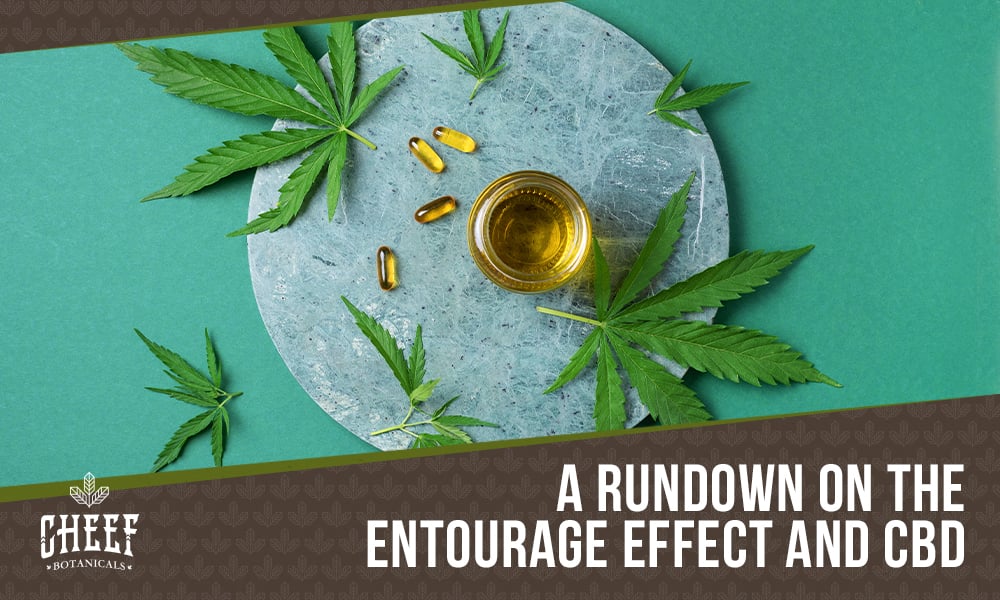
These pairings reflect the entourage effect, the idea that cannabinoids and cannabis compounds can work together. However, CBD does not always soften the THC high. Begin with a modest serving when trying an unfamiliar formula.
How to Choose Between THC and CBD
Neither cannabinoid is automatically better. The right choice depends on the experience you want.
Choose THC if you want:
- A traditional cannabis high or uplifting mood.
- Deeper relaxation for an evening session.
- Help with appetite.
Choose CBD if you want:
- Calm without intoxication.
- More flexibility during the day.
- A topical for targeted use.
You may also choose a product containing both. Before buying, consider your tolerance and schedule. Think about your preferred format and drug-testing needs, too. Read the serving size, then give the product enough time to work. Check local laws before ordering.
CBD use during pregnancy is not recommended. The FDA advises avoiding CBD and THC while pregnant or breastfeeding. Speak with your healthcare provider for personal guidance.
Popular CBD and THC Product Types
The product format can be as important as the cannabinoid itself. Each option offers its own balance of speed, convenience, and duration.
- Gummies and edibles: Measured servings make them simple and discreet. Effects begin slowly but often last longer. They also avoid smoke or measuring.
- Oil tinctures: CBD oil and THC oils allow flexible serving amounts. You can adjust the amount with the dropper.
- Flower and vapes: Inhaled formats act quickly, helping you judge effects as they develop.
- Capsules: Premeasured servings offer convenience without cannabis taste.
- Topicals: CBD creams and salves allow targeted use without a traditional high.
- Concentrates: These potent THC products often appeal most to experienced adult consumers.
How to Read CBD and THC Product Labels
A product label tells you what you are buying and how much each serving contains. Focus on the amount per serving, not the largest number on the package.
Check these details:
- CBD or THC per serving
- Total amount in the container
- Suggested serving size
- Number of servings
- CBD-to-THC ratio
- Complete ingredient list
- Batch or lot number
Full-spectrum CBD products may contain trace THC. Broad-spectrum formulas contain several hemp compounds but are processed to remove THC. CBD isolate contains only CBD. Match the package’s batch number to the lab report to confirm the results apply to your product.
What to Look for in Quality CBD and THC Products

Quality cannabis derived products should offer more than attractive packaging. Look for clear labels, transparent sourcing, and recent independent testing.
A batch-specific Certificate of Analysis should confirm:
- Cannabinoid identity and strength
- Delta-9 THC concentration
- Pesticide screening
- Heavy metal screening
- Microbial safety
- Residual solvents when relevant
The batch number should match the package. Avoid brands that hide their reports or make sweeping promises about health benefits. A reliable company explains what the product contains and provides realistic guidance for using it.
Explore Cheef Botanicals’ CBD and THC Products
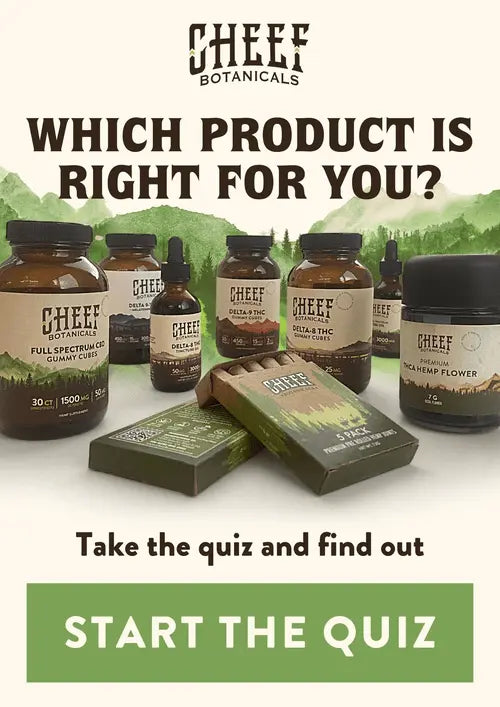
Ready to explore what each cannabinoid can offer? Our CBD collection delivers clear-headed support in several convenient forms, while our hemp-derived Delta-9 edibles offer the uplifting experience many THC fans enjoy.
CBD Products
Our CBD lineup makes it easy to bring non-intoxicating hemp support into your day. Explore several popular options:
- CBD Gummies. Enjoy full-spectrum CBD in flavorful, plant-based gummies with convenient premeasured servings.
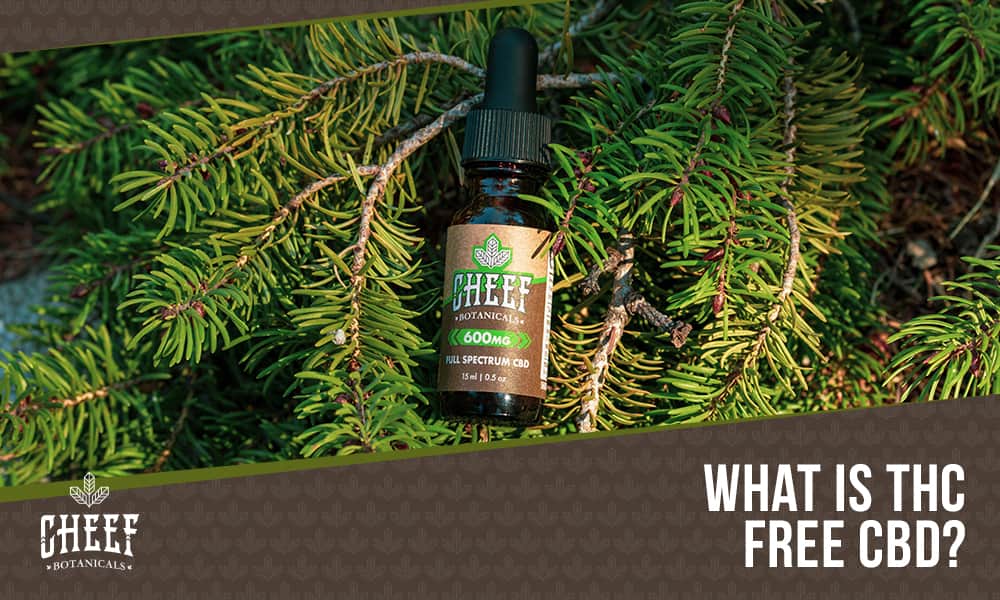
- Full-Spectrum CBD Oil. Add CBD to your routine with a flexible tincture available in several strength options.
- CBD Capsules and Soft Gels. Enjoy a simple, discreet way to add CBD to your routine. Each option provides a convenient, premeasured serving with no measuring or preparation needed.
- Northern Lights CBD Flower. Keep the familiar cannabis ritual with CBD-rich flower known for its earthy flavor, sweet notes, and calming character.
- CBD Cream. Apply full-spectrum CBD directly where you want extra care with a naturally moisturizing topical formula.
Whatever your preference, our collection offers an approachable way to enjoy CBD without the traditional THC high.
Delta-9 THC Edibles
Our Delta-9 Gummy Cubes offer a flavorful, smoke-free way to experience hemp-derived THC. Each gummy provides a premeasured serving, making it easy to choose the strength that matches your experience.
- Lower-strength gummies offer a gentler introduction to uplifting Delta-9 effects.
- Higher-strength gummies deliver a more noticeable experience for consumers familiar with THC.
Both options combine Delta-9 THC with minor cannabinoids and assorted natural fruit flavors. Choose your preferred strength and enjoy a balanced cannabis experience with a sweeter twist.
Final Thoughts on Choosing THC or CBD
THC and CBD each add value to your cannabis routine. THC can bring euphoria and deeper relaxation. It may boost appetite and deliver the traditional high. CBD offers calm and physical comfort without the same intoxication. It gives you more daytime flexibility.
Neither cannabinoid has to outshine the other. Let your goals and tolerance lead the choice. Consider your routine and preferred product type. Read the label and check the COA. Choose your next favorite cannabis experience with Cheef Botanicals.
Learn more about CBD science here.

 CBD Gummies - Top Seller
 CBD + THC Gummy - Excellent Choice
 Northern Lights - Highly Rated
 Full Spectrum CBD Oil - Good Value

Leave a comment
This site is protected by hCaptcha and the hCaptcha Privacy Policy and Terms of Service apply.