

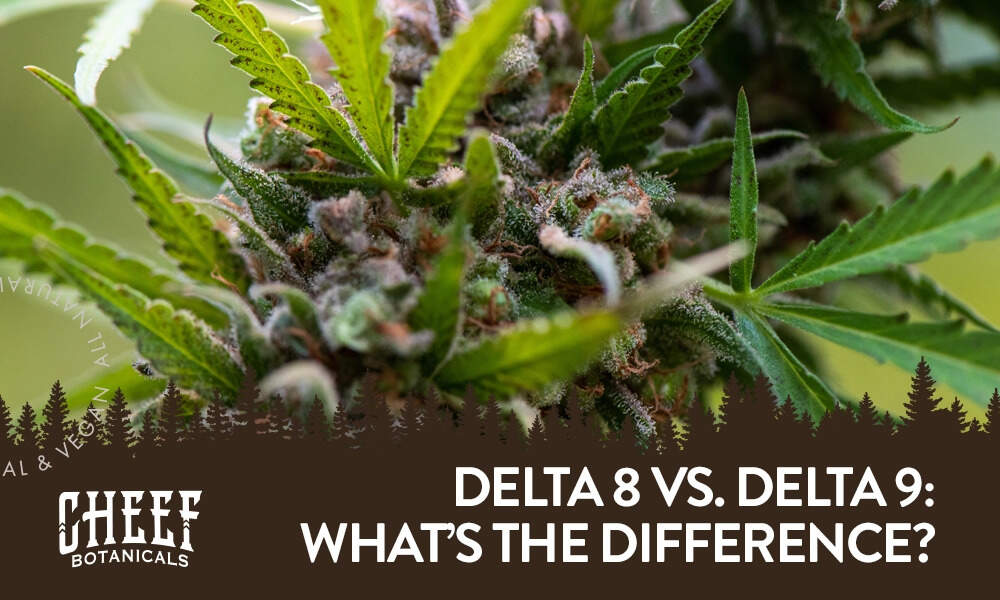
Modern life can be stressful, and more people are turning to hemp-derived cannabinoids for relaxation and wellness support. Among the most talked-about options areDelta 8 THC and Delta 9 THC—two compounds that are often confused but have important differences.
While both come from cannabis, they vary in potency, effects, legality, and how they’re made. Most Delta 8 is produced through a chemical process that converts hemp-derived CBD into Delta 8 THC, since Delta 8 occurs naturally in very low amounts. Understanding these differences can help you choose the option that best fits your needs.
Key Highlights
- Delta 8 THC and Delta 9 THC are closely related cannabinoids, but Delta 9 is significantly more potent and produces a stronger psychoactive effect, while Delta 8 offers a milder, clearer-headed experience.
- Delta 8 is naturally present only in trace amounts, so most commercial products are made by converting hemp-derived CBD into Delta 8. Delta 9 occurs naturally in much higher concentrations in cannabis.
- Both cannabinoids interact with the body's endocannabinoid system and may promote relaxation, appetite support, and mood enhancement, but Delta 9 is more likely to cause side effects like anxiety or paranoia at higher doses.
- Federally, hemp-derived products containing no more than 0.3% Delta 9 THC are legal under the 2018 Farm Bill, but Delta 8 and Delta 9 laws vary by state. Both can trigger a positive drug test.
What Is Delta 8 THC?

Delta 8 THC (often called D8) is a naturally occurring cannabinoid found in cannabis plants—but only in very small quantities (typically less than 1%). These small quantities make it difficult to extract Delta 8 directly from the plant, so most commercial Delta 8 is synthesized.
Delta 8 is derived from the hemp plant. The extraction process is first used to obtain CBD from hemp, which is then converted into Delta 8 through a process called isomerization. This process rearranges the molecular structure of CBD into Delta 8.
Delta 8 is commonly described as:
- Mildly euphoric
- Relaxing but not overwhelming
- Clear-headed compared to Delta 9
It’s available in products like gummies, tinctures, vapes, and capsules.
Related Post: What Is Delta 7 THC?
What Is Delta 9 THC?
Delta 9 THC (D9) is the primary psychoactive compound in cannabis and is most abundant in the cannabis sativa plant and marijuana plant, especially in marijuana flower. Delta-9 is the THC found in high concentrations in these plants and is responsible for the classic “high.” It has been used for centuries for both recreational and therapeutic purposes.
Delta 9 is strictly regulated and is a key component of medical marijuana programs. It is used as an alternative treatment for chronic pain, glaucoma, and seizures, and is FDA-approved for treating nausea and vomiting from chemotherapy.
As of 2023, delta-9 THC is legal in Texas for medical use under strict regulations, including a cap of 1% THC content and requiring a prescription from a registered medical cannabis doctor. Delta-9 THC remains illegal at the federal level, but many states have legalized it for medical or recreational use, creating a complex legal landscape.
Delta 9 is typically associated with:
- Strong euphoria
- Enhanced sensory perception
- Deep relaxation or sedation (depending on dose)
Hemp-derived Delta 9 products must contain no more than 0.3% THC by dry weight to remain federally legal in the U.S.
Delta 8 vs Delta 9: Key Differences Explained

Chemical Structure
Delta 8 and Delta 9 are isomers, meaning they share the same molecular formula but differ slightly in structure.
- Delta 8: Double bond on the 8th carbon atom in the chain
- Delta 9: Double bond on the 9th carbon atom in the chain
This small difference in the position of the double bond on specific carbon atoms significantly influences the potency and chemical behavior of each compound, impacting how each interacts with the body’s receptors.
Effects on the Body
Both cannabinoids interact with the body's endocannabinoid system (ECS), a network of receptors that helps regulate:
- Mood
- Sleep
- Appetite
- Stress response
Delta-8 and delta-9 specifically bind to cannabinoid receptors found throughout the central nervous system, influencing how the body maintains balance and responds to various stimuli. These interactions can result in altered perception, including changes in mood, sensory experience, and cognition.
However, their effects differ in intensity:
Delta 8 Effects
- Mild, manageable euphoria
- Relaxation without heavy sedation
- Lower likelihood of anxiety or paranoia
Delta 9 Effects
- Strong psychoactive high
- Enhanced mood and sensory perception
- Greater chance of side effects at higher doses
Potency
One of the biggest differences is strength.
- Delta 9 THC is significantly more potent
- Delta 8 THC is often described as 50–70% as strong
If you're new to THC, Delta 8 may feel more approachable, while experienced users often prefer Delta 9 for stronger effects.
Potential Benefits

Both cannabinoids are being studied for potential wellness applications, though more research is still needed. Both delta-8 and delta-9 THC are being studied for medical use, including symptom relief for various health conditions. Delta-9 THC may help reduce inflammation, which is relevant for chronic conditions and autoimmune diseases such as multiple sclerosis.
Commonly reported benefits of Delta 8:
- Relaxation and stress support
- Mild mood enhancement
- Appetite stimulation
- Better sleep support
Commonly reported benefits of Delta 9:
- Stronger stress and tension relief
- Appetite support
- Sleep promotion
- Possible pain relief support
⚠️ Note: These are not FDA-approved medical uses.
Side Effects
Both Delta 8 and Delta 9 can cause side effects, especially at higher doses:
- Dry mouth
- Red eyes
- Drowsiness
- Increased appetite
- Temporary anxiety (more common with Delta 9)
Delta-8 THC may cause side effects such as anxiety, drowsiness, tachycardia, and low blood pressure. The FDA has reported 104 adverse events related to delta-8 THC products between December 2020 and February 2022, including anxiety and drowsiness.
Delta-8 THC products are often sold without regulation, which raises concerns about the presence of harmful ingredients and heavy metals. Third-party testing is important to ensure delta-8 products are free of harmful contaminants.
Best practice: Start low and increase gradually.
Legal Status
Under the 2018 Farm Bill, hemp-derived cannabinoids are federally legal if they contain ≤0.3% Delta 9 THC by dry weight. However:
- Delta 8 exists in a legal gray area
- Some U.S. states have banned or restricted both Delta 8 and Delta 9 products
Hemp products, including delta-8 and other derivatives, are legally accessible at the federal level, but state laws vary. The cannabis plant produces a variety of cannabinoids; some are extracted directly, while others, like delta-8, are synthesized from hemp-derived CBD.
Delta-8 is often considered a legal alternative to regular cannabis in states where marijuana remains illegal. Always check your local laws before purchasing or using THC products.
Consumption Methods for Delta 8 and Delta 9

Delta 8 and Delta 9 THC can be enjoyed in a variety of ways, each offering a unique experience and timeline for effects. The most common consumption methods include smoking, vaping, edibles, and tinctures. Smoking or vaping Delta 8 or Delta 9 delivers cannabinoids directly to the lungs, resulting in a rapid onset of psychoactive effects—often within minutes. This method is popular among those seeking immediate relief or a quick mood boost.
Edibles, such as gummies or baked goods, are another popular option. When you consume Delta 8 or Delta 9 THC in edible form, the cannabinoids are absorbed through the digestive system. This leads to a slower onset—sometimes up to an hour or more—but the effects tend to last much longer and can be more intense, especially with Delta 9 THC. Tinctures, which are liquid hemp extracts, offer flexibility: they can be taken sublingually (under the tongue) for faster absorption or mixed into food and drinks for a more gradual effect.
Why Choose Cheef Botanicals for Delta 8 & Delta 9 Products?
The right choice depends on your goals and tolerance.
Choose Delta 8 if you want:
- A milder, more functional experience
- Relaxation without intense psychoactive effects
- Lower risk of anxiety
Choose Delta 9 if you want:
- Stronger euphoria
- More noticeable mental and physical effects
- A traditional cannabis experience
Some users even incorporate both, depending on the time of day or desired effect. Users report that delta-8 THC provides many of the same benefits as delta-9 THC but with fewer side effects, making it an attractive alternative for some consumers.
The choice between delta-8 and delta-9 may depend on individual preferences, intended THC use, and considerations about marijuana use and legality.
Safety Tips for First-Time Users
If you're new to THC products:
- Start with a low dose (5–10 mg or less)
- Wait at least 1–2 hours before taking more
- Avoid mixing with alcohol
- Use in a comfortable environment
And most importantly, consult a healthcare professional if you have underlying conditions or take medications.
Public Health and Drug Testing Considerations
As Delta 8 and Delta 9 THC become more widely available, it’s important to consider their impact on public health and the implications for drug testing. Delta 9 THC, the primary psychoactive component in cannabis, has a well-established profile in medical cannabis, offering relief for chronic pain, seizure disorders, and conditions like multiple sclerosis. However, its strong psychoactive effects can also contribute to mental health conditions such as anxiety, paranoia, or panic attacks in some individuals.
Delta 8 THC, while less potent, is often marketed as a legal alternative to Delta 9 THC in areas where cannabis remains restricted. Its milder psychoactive effects may appeal to those seeking relief without intense intoxication, but there is less research on its long-term safety and efficacy. Both Delta 8 and Delta 9 can be detected in drug tests, as most tests look for THC metabolites regardless of the specific type. This means that even if you use Delta 8 THC, you could still test positive for cannabis use, which is important for those in professions with strict drug policies.
Global Regulations and Research
The legal status of Delta 8 and Delta 9 THC is complex and varies significantly around the world. In the United States, the 2018 Farm Bill legalized hemp and hemp-derived products, including Delta 8 THC, as long as they contain less than 0.3% Delta 9 THC by dry weight. This has led to a surge in hemp-derived products on the legal market. Still, Delta 9 THC remains a federally controlled substance, even though many states have legalized it for medical or recreational use.
Internationally, regulations differ widely. Some countries strictly prohibit all forms of THC, while others allow medical or even recreational cannabis use. The legal status of Delta 8 THC is often less clear, as many countries have not explicitly addressed this cannabinoid in their laws. As a result, Delta 8 sometimes exists in a legal loophole, but this can change rapidly as regulations evolve.
FAQs: Delta 8 vs Delta 9 THC
What is the main difference between Delta 8 and Delta 9 THC?
The main difference between Delta 8 and Delta 9 THC lies in their potency, effects, and chemical structure. While both cannabinoids are very similar, Delta 9 THC has a stronger binding affinity to the body’s cannabinoid receptors, which results in a more intense psychoactive experience. Delta 8, on the other hand, produces a milder, smoother high that many users describe as more functional and less overwhelming. This makes Delta 8 appealing to those who want relaxation without the intensity often associated with traditional THC.
Is Delta 8 safer than Delta 9?
Delta 8 is often perceived as “safer” because its effects are typically less intense and less likely to cause anxiety or paranoia, especially in lower doses. However, safety ultimately depends on factors like dosage, product quality, and individual tolerance. Both Delta 8 and Delta 9 can cause side effects such as dry mouth, drowsiness, and dizziness when used in excess. Choosing third-party lab-tested products and starting with a low dose can help reduce risks.
Will Delta-8 or Delta-9 show up on a drug test?
Yes, both Delta 8 and Delta 9 THC can result in a positive drug test. Most standard drug tests screen for THC metabolites rather than specific types of THC, meaning they cannot distinguish between Delta 8 and Delta 9. If you are subject to drug testing, it’s best to avoid both cannabinoids altogether.
Is Delta 8 legal in the United States?
Delta 8 is federally legal under the 2018 Farm Bill if it is derived from hemp and contains less than 0.3% Delta 9 THC by dry weight. However, the legality of Delta 8 is complicated, as several states have banned or restricted it due to regulatory concerns. This means that even if it is federally permitted, it may not be legal where you live, so checking your state’s laws is essential.
Is Delta 9 legal if it’s hemp-derived?
Yes, Delta 9 THC can be federally legal if it is derived from hemp and the final product contains no more than 0.3% THC by dry weight. This has led to the rise of hemp-derived Delta 9 products, especially edibles. However, as with Delta 8, state laws can vary, and some states impose stricter regulations regardless of federal guidelines.
Which is better for anxiety: Delta-8 or Delta-9?
Many users find Delta 8 to be better suited for anxiety because it offers calming and relaxing effects without the intensity that can sometimes trigger anxious or racing thoughts with Delta 9. Delta-9 may still help reduce stress for some individuals, but at higher doses, it can increase the likelihood of discomfort. Personal response varies, so starting with a low dose is key.
Can you take Delta-8 and Delta-9 together?
Yes, some users combine Delta 8 and Delta 9 to create a more balanced and customized experience, sometimes referred to as a “blended” effect. However, combining cannabinoids can amplify their effects, so it’s important to start with very small amounts and monitor how your body reacts before increasing your dosage.
How long do Delta 8 and Delta 9 effects last?
The duration of effects depends largely on how the cannabinoids are consumed.
- Edibles (gummies, capsules): Effects typically last 4–8 hours, sometimes longer
- Vapes or flower: Effects usually last 1–3 hours
Delta 9 may feel more intense and sometimes longer-lasting, especially at higher doses, while Delta 8 tends to provide a more gradual and mellow experience.
Which is stronger: Delta 8 or Delta 9?
Delta 9 THC is noticeably stronger than Delta 8. It produces a more powerful psychoactive effect, which can be both beneficial and overwhelming depending on the user. Delta 8 is often described as a more approachable alternative, especially for beginners or those sensitive to THC.
Is Delta 8 natural or synthetic?
Delta 8 THC does occur naturally in cannabis plants, but only in very small trace amounts. Because of this, most Delta 8 products on the market are created by converting hemp-derived CBD into Delta 8 through a process called isomerization. While this process is widely used, the quality and safety depend heavily on the manufacturer, which is why lab testing and transparency are important when choosing products.
Does Delta 8 or Delta 9 get you higher?
Yes, both Delta 8 and Delta 9 can produce a “high,” but the intensity differs significantly. Delta 9 THC delivers a stronger, more pronounced psychoactive effect, often associated with euphoria, altered perception, and deep relaxation. In contrast, Delta 8 produces a milder, more controlled high that many users describe as smoother and less overwhelming. This makes Delta 8 a popular choice for those who want to experience THC without the intensity that can sometimes come with Delta 9.
Final Thoughts - Delta 8 vs Delta 9
As we go about our daily lives, we all want to be happy and content and take good care of ourselves. Nature's gifts of Delta-8 and Delta-9 help us on our individual journeys and let us choose which works best for us. Whether it's the gentle, relaxing sensations from Delta 8 THC or the more invigorating potency of Delta 9 THC, take a step back, relax, clear your head, and enjoy the D8 or D9 experience of your choice.
Cheef Botanicals makes exploring both Delta-8 and Delta-9 options easy. We encourage you to try both to see what feels right for you, at the right time. Our premium products, COAs, excellent prices, and no-fuss returns let you delve worry-free into the worlds of Delta 8 and Delta 9. Trust us, either way, they're both wonderful places to visit.

 D9-THC Live Resin Gummies - Top Seller
 D9-THC + CBN Gummies for Sleep - Excellent Choice
 Delta 9 Gummy Cubes - Highly Rated
 THCv Gummy Cubes - Good Value

Leave a comment
This site is protected by hCaptcha and the hCaptcha Privacy Policy and Terms of Service apply.