
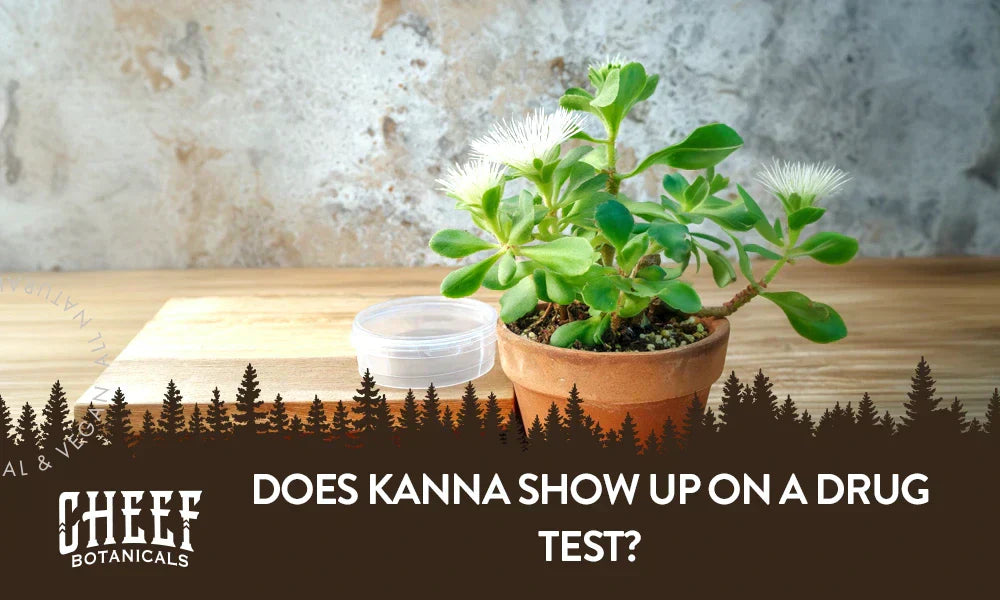
Does kanna show up on a drug test? The short answer is no. Standard drug tests are not designed to screen for kanna.
Kanna comes from Sceletium tortuosum, a plant native to South Africa. Today, many people include it in their routine for general mood support. It is not classified as a controlled substance, but anyone facing strict testing or monitoring should still pay attention to what they put in their system.
Keep reading to learn how drug tests work, what they actually screen for, and the few situations where kanna could raise questions.
How Do Standard Drug Tests Work?

A drug tests checks the body for specific substances after use. The most common option is a urine screen, but saliva, blood, and hair testing are also used. Each standard drug test looks for chemical markers left behind after certain drugs are processed.
Labs are not scanning for every substance possible. Instead, standard screenings focus on a defined list of controlled drugs and a few other substances tied to workplace or legal concerns. Results are usually reported as either negative or a positive drug test.
Common Substances Screened For
Standard panels are built around substances with higher risk profiles. These panels are limited and do not include every plant based product on the market.
- Cocaine
- Opiates
- Amphetamines
- Alcohol
- Cannabis
- Barbiturates
- Benzodiazepines
- Select prescription drugs
Each drug test panel varies based on its purpose. Items like the kanna plant are not part of routine testing unless a lab is asked to look for other substances outside the normal scope.
Why Herbal Products Like Kanna Are Different
Kanna has roots in traditional south african medicine, which sets it apart from modern controlled drugs. Most tests are built to detect synthetic or restricted substances, not plant material used in a herbal remedy. The active compounds in kanna do not match the markers labs are trained to identify, so it rarely appears in standard screenings.
When issues happen, they usually trace back to contamination or mislabeling. In those cases, unrelated ingredients can cause a false positive, not the kanna itself.
Does Kanna Contain Any Banned Substances?
Kanna does not contain ingredients that appear on a standard drug test. Its active compounds are plant based and do not fall under controlled drugs. Most kanna products are made for natural mood support, not as a party drug or anything restricted by law.
What Is Kanna?
Kanna, also known as Sceletium tortuosum, is a plant native to South Africa. Indigenous communities have a long traditional use history with this plant, often relying on it as a herbal remedy for emotional balance and mental clarity.
Today, kanna shows up in teas, powders, and kanna extract formats. This shift into modern wellness has made consuming kanna easier for people looking for gentle, plant based support without relying on pharmaceuticals.
Alkaloids in Kanna vs. Illegal Drugs
The kanna plant contains mesembrine alkaloids, which are its main active alkaloids. These psychoactive constituents interact with the brain in a very different way than illegal or controlled substances. Their biological and pharmaceutical properties do not produce the same metabolites labs look for during testing.
Illegal drugs leave strong markers behind. Kanna does not, which is why it is rarely linked to a positive drug test.
Legal Status of Kanna in the U.S.
Kanna remains legal across the United States at the federal level. It is not listed as a controlled substance, and its current legal status allows it to be sold and purchased openly.
That said, local rules can vary. Anyone taking kanna, especially service members, should still review local guidelines before use to stay informed and avoid confusion.
Will Kanna Show Up on a Drug Test?
Kanna does not show up on a standard drug test. These screenings look for controlled substances. The alkaloids in kanna do not match the markers that labs search for.
False positives remain rare. Still, mislabeling or contamination can sometimes cause issues. For peace of mind, only choose trusted brands and talk to a doctor before kanna intake.
Possible Situations Where Kanna Could Raise Concerns
Most standard screenings do not flag kanna, but a few situations can raise questions. The biggest issue usually comes from product quality, not the kanna itself. Contamination or poor labeling can introduce other substances that were never expected.
Another factor is mixing kanna with over the counter medications or stimulants. In rare cases, this combination can create confusion during a drug test, even if kanna was not the cause.
Mislabeling or Contaminated Products
Some products on the market contain undisclosed ingredients or trace amounts of controlled drugs. This can increase the risk of a false positive or an unexpected positive drug test. Choosing lab tested kanna products with clear ingredient lists helps lower that risk.
Trusted brands share third party reports that confirm purity. These reports show that the product contains only the intended plant material and approved ingredients.
Specialized Drug Testing Beyond Standard Panels
A standard drug test does not look for kanna, but specialized testing can go deeper. Advanced lab methods may detect mesembrine alkaloids or other active alkaloids, even though they are not banned. These tests are uncommon and usually tied to research, forensic work, or strict monitoring.
Everyday workplace testing rarely includes these methods. For most people, standard panels remain the only screening they will encounter.
How Long Does Kanna Stay in Your System?
Kanna’s active alkaloids move through the body relatively quickly compared to many controlled drugs. In most cases, these compounds are processed within 12–24 hours, depending on dose, frequency, and individual metabolism.
Even with regular consuming kanna, its active compounds do not create lasting markers that show up on a standard drug test. This is why kanna is not commonly linked to a positive drug test under normal screening conditions.
Safe Kanna Options for Peace of Mind
For consumers facing possible drug testing, quality matters. Lab-verified items provide clear results on potency, safety, and presence of active compounds. Picking kanna products from brands that share full reports keeps things transparent. This way, they can enjoy the plant's benefits while lowering the chance of trouble.
Choosing Lab-Tested Kanna Products
Lab-tested kanna products give consumers proof of what's inside. Third-party testing checks for purity and potency. This protects against contamination and lowers the risk of a false positive on a drug test. People should look for clear certificates of analysis (COAs) when buying kanna. Brands that provide these results for every batch show transparency and accountability.
Cheef Botanicals Kanna Edibles

Cheef Botanicals offers Youphoria Kanna Gummies and Chocolate Gems for a smooth, mood-enhancing experience. These organic, vegan, and gluten-free treats mix Sceletium tortuosum extract with guarana for clean energy and emotional balance. Consumers enjoy them as a discreet way to support focus, ease stress, or reduce fatigue without smoke or harsh chemicals.
- Mixed Berry Gummies. Fruity, mellow, and great for social vibes.
- Mixed Citrus Gummies. Bright, zesty, and clear-headed.
- Chocolate Gems. Creamy plant-based bites for light relaxation and daily support.
FAQs – Kanna and Drug Tests
Can kanna make you fail a drug test?
Kanna on its own does not cause a positive drug test. A standard drug test looks for controlled drugs like cannabis, cocaine, amphetamines, or opiates, not mesembrine alkaloids. Since kanna’s active compounds are different, they do not match the markers labs screen for. Issues usually come from product quality, not from taking kanna itself.
Can kanna be mistaken for other substances on a test?
False positives linked directly to kanna are rare, but cross reactivity can happen in some testing methods. Certain screenings may misread active alkaloids if the test lacks precision. This does not mean kanna behaves like illegal drugs. It simply reflects limits in some testing tools.
How do you choose reliable and compliant kanna products?
The safest approach is choosing kanna products backed by third party lab testing. Certificates of analysis confirm that no banned ingredients or controlled substances are present. This helps people understand exactly what they are consuming kanna in. Transparency lowers the risk of testing concerns.
Is kanna legal to use before a workplace drug test?
Kanna is legal in the U.S. and is not classified as a controlled substance under federal law. Standard screenings do not test for kanna or its active alkaloids. Workplace rules can still vary by employer. Anyone under strict testing, including service members, should review internal policies before use.



Leave a comment
This site is protected by hCaptcha and the hCaptcha Privacy Policy and Terms of Service apply.