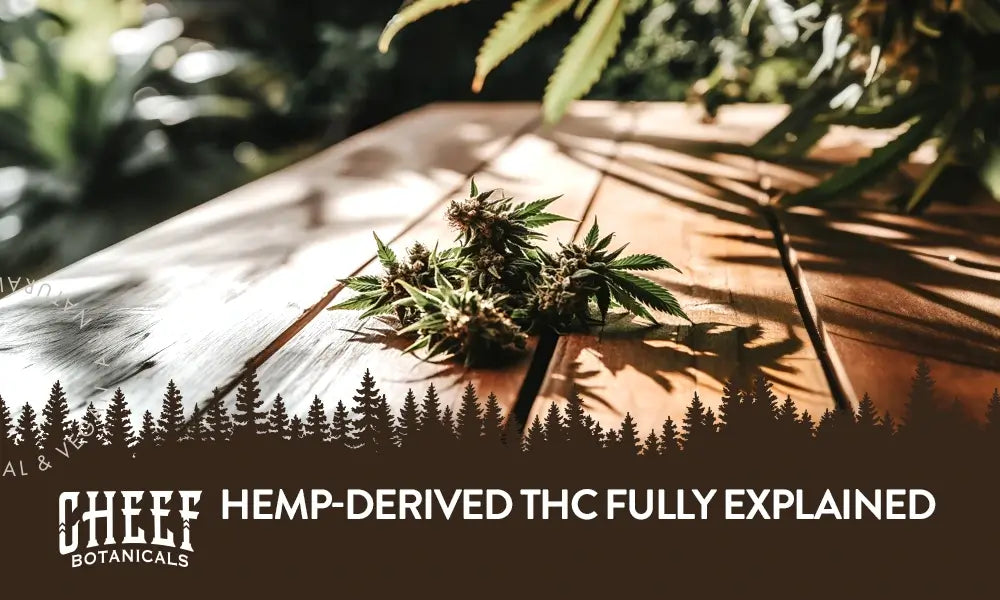
Hemp-derived THC shows up everywhere right now, from gummies to vapes to oils. Unlike marijuana-derived THC, this version comes from federally legal hemp plants. Thanks to the Agriculture Improvement Act of 2018, also called the Farm Bill, hemp products can contain THC as long as the level stays below 0.3% by dry weight.
Still, many people ask the same questions. Does hemp THC feel the same as marijuana THC? Why do some products feel stronger than others? And how does hemp THC end up in gummies and tinctures?
This guide answers those questions. Read on to find out how hemp-derived THC works, the laws that regulate it, and more.
What Is Hemp-Derived THC?

Hemp-derived THC comes from hemp plants, not marijuana. Both belong to the cannabis plant family, but federal law treats them very differently. The key factor comes down to THC levels.
Under the 2018 Farm Bill, hemp stays legal as long as it contains no more than 0.3% Delta-9 tetrahydrocannabinol by dry weight. That rule allows companies to create hemp-based products that include THC while still meeting federal guidelines.
Hemp-based THC products usually contain very little THC. That balance gives people access to cannabis-style products while staying within legal limits. Today, you’ll see hemp THC in gummies, oils, vapes, and beverages.
How Hemp-Derived THC Differs from Marijuana-Derived THC
From a chemistry standpoint, THC from hemp and THC from marijuana look the same under a microscope. The molecule is identical. The real differences show up in legality, concentration limits, and how companies produce the final products.
Federal regulations treat hemp and marijuana very differently. The Drug Enforcement Administration (DEA) classifies marijuana as a controlled substance. Hemp, on the other hand, falls under the 2018 Farm Bill as long as it stays within the legal THC limit.
Potency also separates the two. Marijuana plants usually contain much higher THC levels, which leads to stronger psychoactive components. Hemp plants naturally contain far less THC. Companies craft hemp THC products with precise formulas containing trace amounts of THC to stay within federal guidelines.
The Extraction Process of Hemp-Derived THC
Manufacturers first separate cannabinoids from raw hemp using advanced methods. Two common techniques lead the process:
- CO2 extraction uses pressurized carbon dioxide to pull cannabinoids from the plant while leaving unwanted material behind.
- Solvent extraction uses food-grade solvents to isolate cannabinoids and concentrate them into usable hemp extracts.
After extraction, producers refine the material to remove impurities and balance cannabinoid levels. This step prepares the extract for products like gummies, oils, tinctures, and vapes.
Responsible brands test for heavy metals, residual solvents, and the accuracy of content. Independent lab testing verifies purity and potency before products reach the market. These safeguards help keep hemp-derived THC products compliant with industry standards.
Hemp THC vs. Marijuana THC: Key Differences

Both Hemp THC and marijuana THC come from the same cannabis sativa plant family, yet they follow very different rules and product limits. The biggest difference comes down to legal status and THC concentration. These distinctions shape how companies formulate products, how buyers access them, and how regulators oversee the cannabis industry. Let's look at them closely.
Legal Differences
Federal law allows hemp products as long as they contain no more than 0.3% THC on a dry weight basis. Anything above that limit falls into the marijuana category. Because of this law, companies can sell hemp-sourced THC products across many states, including through online stores.
Marijuana follows a different path with its high THC content. The DEA still classifies it as a controlled substance under federal rules. Several states allow recreational marijuana or medicinal cannabis use, but federal restrictions remain in place.
Regulators also have a say. The Food and Drug Administration (FDA) oversees certain cannabis-derived products, particularly those related to product safety, labeling, and consumer protection.
Chemical Composition and Effects
At the molecular level, THC from hemp and THC from marijuana share the same chemical structure. The human body cannot tell the difference between the two.
Once THC enters the system, it interacts with the body's endocannabinoid system (ECS) and its cannabinoid receptors. These receptors help regulate mood, appetite, relaxation, and other natural processes in the body.
The experience depends less on the THC source and more on how much THC the product contains. Marijuana plants usually contain higher THC levels, which can create stronger psychoactive effects. Hemp THC products stay within legal limits, so their potency often feels more controlled.
Other compounds also influence the experience. Minor cannabinoids and aromatic terpenes with their own unique properties can shape flavor, aroma, and overall effects.
The Legal Status of Hemp-Sourced THC
As mentioned earlier, the Agriculture Improvement Act, more commonly referred to as the Farm Bill, legalized hemp at the federal level under certain conditions. Because of this law, companies can create THC products from hemp plants and sell them in many parts of the country.
But federal legality does not always mean universal access. At the state level, additional restrictions on hemp THC may come up. That can include limits on product types, labeling rules, or retail sales. It's important to check local cannabis laws before buying hemp-based THC products.
Understanding Federal and State Laws Regarding Hemp THC
Federal law gives hemp-derived THC a legal foundation, but state laws often add another layer of rules. Individual states still control how products move through their markets. Some states follow federal guidelines closely. Others place tighter restrictions on THC levels, product types, labeling rules, or retail sales. A few places have even prohibited certain hemp THC products altogether.
Several agencies influence the space as well. The DEA and the FDA both play roles in cannabis regulation, especially around product safety and oversight.
How Hemp THC Complies With the 2018 Farm Bill

The 2018 Farm Bill changed the hemp industry overnight. Before this law passed, federal rules treated hemp much like marijuana. The bill created a clear legal definition and opened the door for hemp-derived THC products.
As long as growers and manufacturers stay within the limit, their products remain federally compliant. Companies must also follow strict production standards. Responsible brands test for residual solvents, pesticides, heavy metals, and formula accuracy to confirm product quality and compliance.
Packaging and labeling also matter. Clear labels help buyers understand THC levels, serving size, and intended use. These guidelines help maintain safety and transparency in the growing hemp market.
How Does THC Affect the Body?
THC acts as the main euphoric compound in the cannabis plant. When someone consumes THC, it interacts with the body’s ECS, which helps regulate mood, appetite, relaxation, and overall balance. The ECS contains special receptors that respond to cannabinoids. THC connects with these receptors and can influence how the body and mind feel.
The intensity of the experience depends on several factors. THC content, product type, and serving size all come into play. The presence of other cannabinoids and terpenes can also shape how the effects feel.
Some people notice a calm, relaxed vibe, while others experience a more uplifting or euphoric shift. Every person responds differently. THC products can create different experiences for different people, even when the serving size stays the same.
Interactions With the Endocannabinoid System
The ECS helps keep the body running smoothly. This network of receptors, enzymes, and natural cannabinoids plays a role in mood, appetite, relaxation, and overall balance.
Two key receptors drive most of the action: CB1 and CB2. CB1 receptors appear mainly in the brain and nervous system. CB2 receptors show up throughout the body. When someone consumes hemp-derived THC, the compound connects with these receptors, especially CB1. That interaction can shift how the body processes mood, relaxation, appetite, and sensory perception.
The overall experience depends on several factors. THC levels, other cannabinoids, and terpene profiles can all influence how a product feels. Products with lower THC levels often produce milder effects, while higher concentrations may create stronger sensations.
Benefits of THC for Relaxation, Discomfort Relief, and Mood
Many consumers choose THC for its potential therapeutic benefits. Different products can produce slightly different experiences. Here are some of the common ways THC may influence how people feel:
- Relaxation Support. THC interacts with CB1 receptors in the brain, which can help the body unwind after a long day. Many hemp-derived THC products aim to create a calm, easygoing vibe that helps people settle into a more relaxed state.
- Discomfort Relief. Some research suggests that THC may help ease certain types of discomfort. Products that combine THC with other cannabinoids often aim to promote a soothing, balanced experience.
- Mood Support. THC may interact with dopamine levels. This interaction can create an uplifting shift in mood and overall outlook, depending on the product's formulation.
How THC Promotes Overall Well-being
THC does more than create euphoric effects. It also interacts with internal systems that help maintain balance and daily function.
Several factors shape the outcome, including THC content, product format, and formulation. Products that include additional compounds may create a more layered effect profile. Serving size also matters. Smaller amounts often create lighter effects, while higher amounts may feel stronger.
Because of these variables, people often experiment. They try different product types and strengths until they find what fits their lifestyle and preferences.
How To Safely Use Hemp THC

Using hemp-derived THC responsibly starts with understanding THC levels, product format, and serving size. Different products can produce very different experiences. First-timers often notice stronger effects than expected. Taking time to understand how each product works—and starting with lower serving sizes—helps create a smoother experience.
Product quality also plays a big role. Reliable brands clearly list THC content, ingredients, and lab test results on product packaging. These details help buyers understand exactly what they are taking.
Different Forms of Hemp-Derived THC
Hemp-derived THC appears in several product formats, and each one delivers a slightly different experience. Some options activate quickly, while others take longer but last much longer. Here are some of the most common hemp THC product types:
- Edibles. Edibles include gummies, chocolates, and other infused food products. The THC goes through digestion, so the effects take longer to appear. However, the experience often lasts longer than other formats.
- Oils and Tinctures. These liquid extracts combine cannabinoids with carrier oils such as hemp seed oil or coconut oil. Some people like to place drops under the tongue for faster absorption.
- Vapes and Inhalables. Inhaled THC products deliver effects quickly because the compound enters the bloodstream through the lungs. People often choose this format for a faster onset.
- Capsules and Tablets. Capsules provide pre-measured servings in an easy-to-take format. Effects take longer to begin, but the experience usually lasts longer compared to inhaled products.
Suggested Dosage and Guidelines for Safe Consumption
Finding the right THC serving size takes a little patience. Factors like weight, tolerance, product type, and THC concentration all affect how a product feels. Follow these simple guidelines when trying hemp-derived THC:
- Start Low, Then Increase Slowly. Begin with a small serving, especially if you are new to THC. Give your system time to respond before increasing the amount.
- Review Product Labels Carefully. Always check packaging for THC content per serving. Clear labeling helps you understand how much THC is in each gummy, capsule, or drop.
- Understand Product Timing. Different formats activate at different speeds. Inhaled products work quickly. Edibles and capsules may take longer but often last longer.
- Stay Aware of Local Laws. Hemp products must follow the 0.3% THC limit by dry weight under federal rules, but state laws may still vary.
Cheef Botanicals Hemp THC Products

Cheef Botanicals offers hemp-derived THC products designed for flavor, consistency, and reliable effects. Each formula uses quality hemp and carefully crafted blends to deliver a smooth experience you can trust. Here’s a closer look at some standout options:
- Delta 9 THC Live Resin Gummies. These high-quality gummies use fresh frozen cannabis extract, which helps preserve the plant’s natural profile. The live resin process captures bold flavor and creates a richer, more authentic experience in every bite.
- Delta 9 THC Gummy Cubes. These classic gummy cubes offer a delicious and convenient way to enjoy hemp-derived THC. Each piece provides precise THC levels, making it easier to manage serving size while enjoying long-lasting effects.
- 100 mg Delta 9 THC Gummy (Extra Strength). Designed for experienced consumers, this option packs a higher THC level into a single gummy. It delivers a stronger experience for those who prefer a more noticeable THC effect.
- Delta 9 THC + THCa + Nano THCp Gummies. This advanced blend combines multiple cannabinoids for a layered experience. Nano-infusion technology helps the system absorb compounds more efficiently, which can lead to faster onset and smoother effects.
Why Choose Cheef for Hemp THC Products?
At Cheef Botanicals, we focus on quality, transparency, and consistency, so consumers know exactly what they’re getting. From the source to the final product, every step centers on clean ingredients and careful production. Here’s what sets us apart:
- Premium Hemp-Derived Ingredients. Cheef products use cannabinoids sourced from high-quality industrial hemp. Clean ingredients and natural flavors help create a smoother, more enjoyable experience.
- Advanced Nano Technology. Some Cheef formulas use nano-cannabinoid technology. This process breaks cannabinoids into smaller particles, which may help the body absorb them more efficiently and produce a faster onset.
- Farm Bill Compliant Products. Every product follows federal guidelines under the 2018 Farm Bill, meaning THC levels stay within the legal limit.
- Third-Party Lab Testing. Independent labs verify cannabinoid levels and screen for contaminants. This testing confirms purity and eases any safety concerns.
- Certificates of Analysis Available Online. Cheef publishes COAs, so buyers can review lab results before purchasing. This level of transparency builds trust and confidence.
Why Hemp-Sourced THC Is Gaining Popularity in the Wellness Industry
Hemp-derived THC has quickly gained attention across the wellness space. Many consumers want cannabis-style products that follow federal law while still delivering noticeable effects. Hemp makes that possible.
The 2018 Farm Bill opened the door for hemp products that contain legal amounts of THC. Since then, hemp-derived cannabinoids have appeared in gummies, beverages, oils, and many other product formats. That accessibility also drives the surge in popularity.
Innovation continues to push the category forward. New extraction methods, cannabinoid blends, and advanced formulations keep expanding what hemp products can offer.
The Future of Hemp-Sourced THC in Health and Wellness
As interest in hemp cannabinoids grows, companies continue developing new formulas, better extraction methods, and more precise cannabinoid blends. Technology plays a major role in that progress. Advances like nano-cannabinoids and improved infusion techniques help products absorb more efficiently and deliver more predictable experiences.
Regulation will also shape the future of hemp THC. Federal agencies and state lawmakers continue refining rules around labeling, product safety, and cannabinoid limits. These changes aim to bring more structure to the growing hemp market.
At the same time, consumer demand keeps climbing. As more people learn about hemp-derived THC, brands continue expanding product options.
Final Thoughts on Hemp-Derived THC
Hemp-derived products have reshaped the cannabis conversation. Thanks to the 2018 Farm Bill, consumers now have access to THC goods made from federally legal hemp. That shift opened the door to gummies, oils, beverages, and other cannabis products that deliver real THC effects while staying within federal guidelines.
As the hemp market grows, product quality and transparency matter more than ever. Reliable brands focus on clean ingredients, accurate cannabinoid levels, and independent lab testing.
Cheef Botanicals takes that commitment seriously. Our hemp-derived THC gummies feature premium cannabinoids and carefully crafted formulas designed for bold flavor, reliable consistency, and a smooth experience every time.
Ready to try it for yourself? Shop Cheef Botanicals today and experience THC from the hemp plant the way it should be: clean, potent, and crafted with quality you can trust.



Leave a comment
This site is protected by hCaptcha and the hCaptcha Privacy Policy and Terms of Service apply.