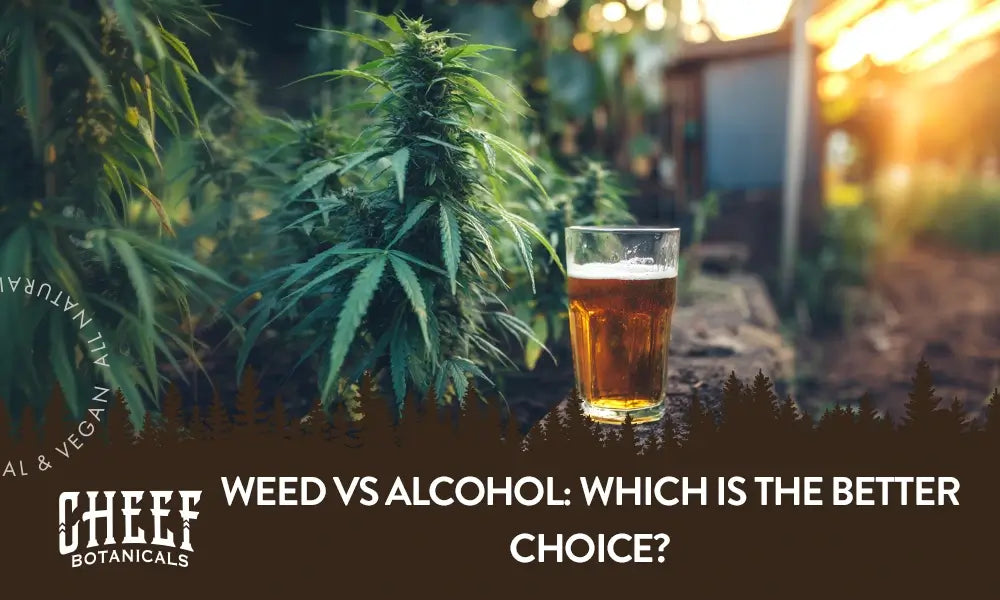
Did you know that more people now consume cannabis daily than drink alcohol? The debate over weed vs alcohol has grown as laws and attitudes keep changing. Both can make you feel relaxed or euphoric, but they work in very different ways.
Many people are starting to question which one fits their lifestyle better. Is it the drink that has been part of social life for centuries, or the plant that’s quickly gaining mainstream attention for its recreational use? When marijuana compared to alcohol, society often perceives them differently—marijuana use can carry a stronger social stigma, even as recreational use becomes legal in more states.
Cannabis vs Alcohol — A Quick Overview

Cannabis and alcohol both change how you feel, but they do it in very different ways. Alcohol contains ethanol, which slows brain signals and affects balance, focus, and mood. Cannabis has THC and CBD that connect with natural receptors in your body. While alcohol often leads to lowered control, cannabis can bring calm or balance instead.
Legally, cannabis is classified as a Schedule 1 drug at the federal level in the U.S., meaning it is considered to have a high potential for abuse and no currently accepted medical use in treatment.
How Each Substance Affects the Body and Mind
Alcohol moves through your bloodstream fast and starts affecting how your brain and body communicate. You may feel relaxed and fuzzy from lower intake, but with larger volumes, you may experience dizziness or lack of coordination. The effects of alcohol and cannabis can vary greatly from person to person, depending on individual biology and tolerance.
Cannabis works through the endocannabinoid system, influencing mood, sleep, and perception. THC can make you feel euphoric or mellow. Unlike alcohol, cannabis usually doesn’t lead to irritability or heavy hangovers. For example, one person might feel calm and happy after a small dose of cannabis, while another person could feel anxious or uncomfortable with the same amount. Similarly, two people drinking the same amount of alcohol may experience very different levels of impairment or mood changes.
Legal, Social, and Cultural Differences
Alcohol has been accepted for centuries and used in parties, meals, and traditions. It’s easy to buy almost anywhere, but drinking too much can harm your health.
Cannabis laws are newer and vary by state. While recreational use of cannabis is legal in many states, it is not legal everywhere—a key difference from alcohol, which is legal nationwide for adults. Many people now see cannabis as a cleaner, lighter, and more natural option for relaxing and socializing compared to alcohol.
The Science Behind THC vs Alcohol

Cannabis and alcohol affect your body in different ways. Each substance interacts with unique systems that control how you think, feel, and move. Understanding how they act inside your body helps you make safer, more informed choices.
- THC and the Endocannabinoid System. THC connects with receptors that control mood, memory, and coordination. A low dose may create calm or focus, while high doses can affect reaction time and cognitive abilities.
- Alcohol and the Central Nervous System. Alcohol slows brain communication, which reduces balance and judgment. Regular alcohol consumption can lead to dependence and an increased risk of accidents and health problems.
Comparing Short-Term Effects
Both cannabis and alcohol change how you think and feel within minutes of consuming them. The course of intoxication differs: alcohol typically has a rapid onset, peaks within an hour, and recovery follows as the body metabolizes it, while cannabis may have a slower onset, a peak that lasts longer, and a more gradual recovery phase. Cannabis use can bring calm, mild euphoria, or focus, depending on your tolerance and dose.
Alcohol’s effects may appear faster, often relaxing you but also lowering judgment and coordination. These short-term effects depend on your body, mood, and how much you consume. Alcohol's effects typically subside within 24 hours, while THC from weed can remain in the body for days.
Mood, Relaxation, and Euphoria
Cannabis often promotes a calm or euphoric state that helps many people unwind. The effects of cannabis vary with strain, dose, and your mood before consuming.
Alcohol creates relaxation at first, but can quickly shift to disorientation or tiredness with continued drinking. Both cannabis and alcohol influence brain chemicals that affect happiness and motivation.
Coordination, Reaction Time, and Focus
Alcohol slows brain communication, reducing coordination, reflexes, and focus. This delay raises the risk of accidents, especially while driving.
Cannabis can also impact reaction time, but typically less severely than alcohol use. Studies show both alcohol and cannabis reduce focus and increase risk-taking behavior, which is why driving or operating machinery after consuming either is unsafe.
Comparing Long-Term Effects
Long-term use of cannabis and alcohol can affect your body and mind in different ways. Alcohol consumption is more likely to cause lasting damage, and it is considered more addictive than marijuana according to several studies. However, cannabis addiction is still surprisingly common, with about 30% of users potentially developing cannabis use disorder.
Heavy cannabis smoking can be harmful and may cause lung damage, especially with frequent use. This risk is increased by inhaling harmful additives and chemicals, particularly through unregulated vaping products.
Physical Health and Organ Impact
Excessive drinking is linked to liver disease, heart issues, and digestive problems. The National Institute on Alcohol Abuse and Alcoholism (NIAAA) reports that alcohol abuse increases serious health risks and contributes to disease control challenges. Cannabis, compared to alcohol, usually causes far fewer organ effects, though heavy marijuana smoking may lead to lung irritation or discomfort for frequent marijuana users.
Mental Wellness and Cognitive Function
Long-term alcohol use often leads to alcohol dependence and cognitive impairment. Many people report slower thinking, poor focus, and memory problems from years of heavy drinking. In self-reported cannabis use, most consumers say short-term focus or reaction time changes fade once they stop.
Safety and Tolerance
Cannabis and alcohol affect everyone differently. Alcohol use often builds tolerance faster, while cannabis users may adapt more slowly, depending on dose and frequency. Knowing your limits helps reduce health risks and prevent substance use problems.
- Addiction Potential and Dependence. Alcohol dependence develops easily and is linked to alcohol abuse. Alcohol use disorder is a common condition affecting millions of Americans, with approximately 28.9 million people affected in the U.S. Cannabis use rarely causes addiction, though heavy use may bring mild restlessness. However, cannabis use often overlaps with alcohol problems—about 60% of people with cannabis use disorder also meet criteria for alcohol use disorder, meaning the same people frequently experience both disorders. Respondents in surveys rated alcohol as more addictive than marijuana.
- Overconsumption Risks. Excessive drinking can cause alcohol poisoning, which is deadly. Overconsuming weed has never caused death but may lead to dizziness or confusion.
Responsible Substance Use: Tips for a Safer Night

Whether you’re enjoying a night out in San Francisco or relaxing at home, making smart choices about alcohol consumption and cannabis use is essential for your health and safety. Here are some practical tips to help you minimize risk and make a healthier option for yourself and those around you:
- Know Your Limits: Everyone’s tolerance is different. Pay attention to how your body reacts to alcohol or marijuana use, and avoid excessive drinking or overindulging in cannabis. Recognizing your boundaries can help prevent alcohol abuse and reduce the risk of developing alcohol use disorder or cannabis use disorder.
- Plan Ahead: Arrange for a safe way home before you start drinking or smoking marijuana. Designate a sober driver, use rideshare apps, or rely on public transportation. Never drive under the influence of any substance.
- Stay Hydrated: Alcohol can dehydrate you quickly, so drink water throughout the night. This simple step can help you feel better and reduce the risk of hangovers or other health issues.
- Eat Before You Go Out: Having a meal before consuming alcohol slows its absorption and can help you avoid the pitfalls of drinking on an empty stomach, which is linked to higher risk of alcohol abuse.
- Be Mindful of Your Surroundings: Keep your drink with you at all times and be aware of your environment. This helps protect you from potential drug abuse or accidental consumption of unknown substances.
- Don’t Mix Substances: Combining alcohol with cannabis or other drugs can amplify negative effects and increase the risk of accidents or poor decision-making. The Drug Enforcement Administration and emergency medicine experts warn that mixing substances can lead to unpredictable reactions.
The World Health Organization highlights that alcohol is a major risk factor for cancer, liver disease, and mental health disorders. While cannabis has shown potential medical benefits—such as reducing pain and anxiety—research is ongoing to fully understand its long-term effects on human health. Public health experts, including those at the Disease Control and Prevention organization, stress the importance of addressing the risks of excessive drinking and cannabis use to protect community well-being.
Exploring THC Products From Cheef Botanicals

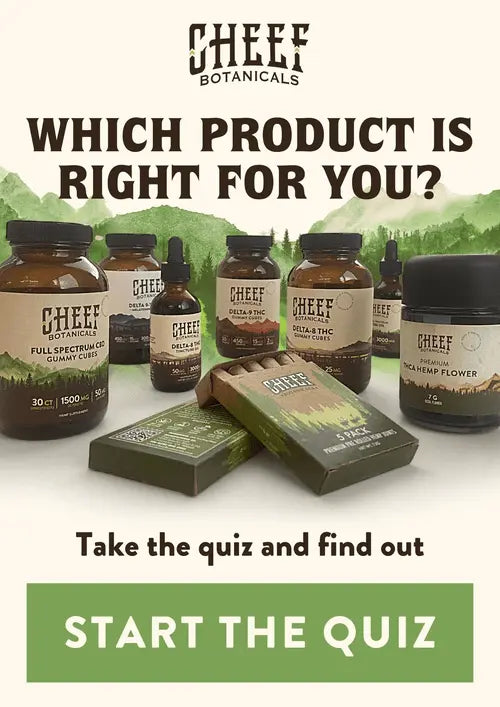
Cheef Botanicals offers hemp-derived THC products that promote relaxation, balance, and a clear mind. Each product is made from natural hemp, tested by third-party labs, and carefully crafted for purity and quality. You can choose from flowers, gummies, or blends that provide different experiences based on your comfort and tolerance.
- THCa Flower — Potent and Pure for a Natural Experience. THCa changes into THC when smoked, creating a smooth, euphoric feeling. Popular strains like Gelato, OG Kush, Runtz, and Strawberry Cough are favorites among cannabis users for their aroma, flavor, and relaxing effects after a busy day.
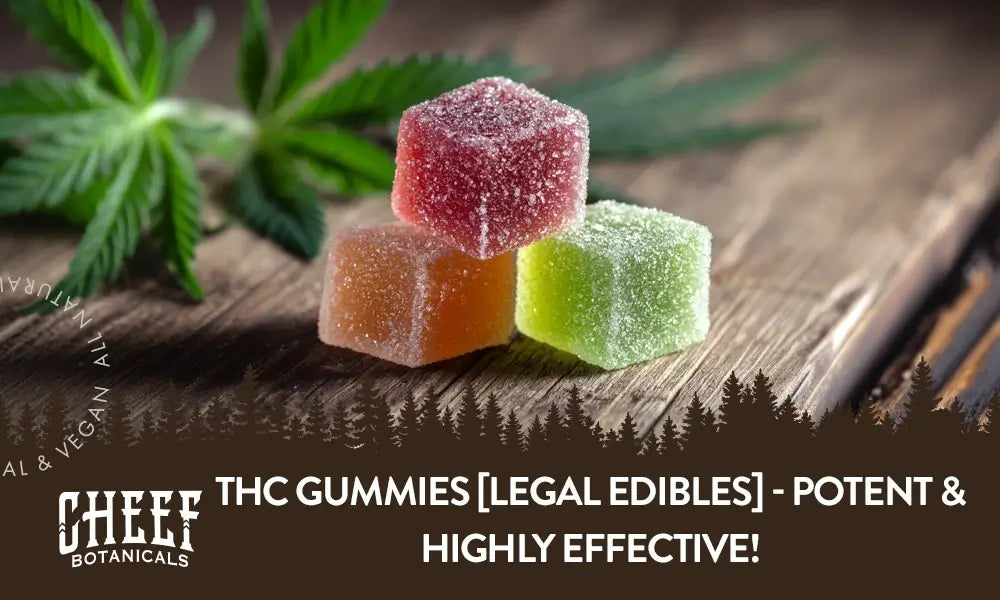
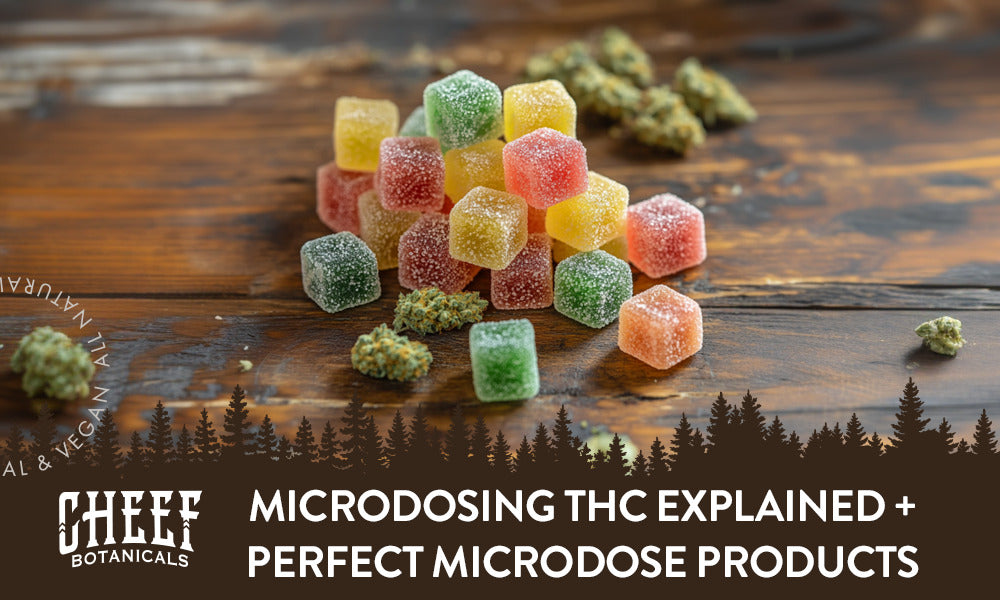
- THC Edibles — Long-Lasting, Flavorful Effects. Cheef’s Delta-9 Gummies and Delta-9 Live Resin Gummies bring gentle, long-lasting relaxation. These vegan gummies are sweet, fruity, and perfect for consumers who prefer a simple, tasty way to enjoy cannabis instead of smoking or vaping. Edible cannabis products, such as gummies and other food-based forms, offer an alternative to inhalation methods but come with unique health risks, including delayed onset and potential for overconsumption, as well as regulatory considerations that differ from smoked or vaped products.
- THCp Products — Next-Level Potency and Power. Our THCp + Delta-9 Gummies and THCp + HHC Gummies are designed for experienced users seeking stronger effects. They provide a smooth, focused, and calm experience while showing Cheef Botanicals’ commitment to safe, natural, and high-quality hemp products.
Final Thoughts: Choosing a Healthier Way To Unwind
Choosing between weed and alcohol comes down to what feels right for your lifestyle. Alcohol may seem familiar, but it often brings more long-term health risks. Cannabis, when used responsibly, offers a smoother and more natural way to relax without the harsh side effects of drinking.
If you’re looking for balance, start small and find what works best for you. Cheef Botanicals supports this mindful approach with clean, hemp-derived THC products made to help you unwind, recharge, and feel your best—naturally and responsibly.

 Watermelon OG - Top Seller
 Runtz THCa Flower - Excellent Choice
 Han Solo THCa Flower - Highly Rated
 Space Junkie THCa Flower - Good Value

Leave a comment
This site is protected by hCaptcha and the hCaptcha Privacy Policy and Terms of Service apply.