
You might expect cannabinoids from the same plant to behave the same way, but that’s not always true. The HHC vs THCa matchup shows how two interesting cannabinoids can act completely differently the moment you use them. THCa remains inactive in raw cannabis until heat converts it into THC, while HHC is already active and delivers a smoother buzz. That contrast shapes how you use them, how quickly they take effect, and what kind of results you can expect each time.
Key Highlights
- THCa is non-psychoactive in its raw form, but it converts into THC and produces a high when exposed to heat through smoking, vaping, or cooking.
- HHC is already psychoactive and may deliver a smoother, more balanced buzz compared to traditional Delta 9 THC.
- THCa occurs naturally in raw cannabis plants, while most HHC products are made through a lab process called hydrogenation.
- THCa may support discomfort relief, appetite balance, antioxidant effects, and neuroprotective wellness without intoxication when used raw.
- HHC may help promote relaxation, mood support, sleep, appetite, and physical comfort, but it can also cause side effects like dry mouth, dizziness, or anxiety at higher doses.
What Is THCa?

THCa, short for tetrahydrocannabinolic acid, is the natural starting point of THC in raw cannabis plants. In its fresh state, it works as a non-psychoactive cannabinoid, so you can consume raw cannabis without feeling a high.
Instead, it interacts quietly with your endocannabinoid system, a built-in network that helps regulate how your body responds to everyday sensations and internal balance. Things change once heat enters the picture. When you smoke, vape, or cook cannabis products, THCa undergoes a conversion process and turns into psychoactive THC.
How Is THCa Made?
THCa does not need a lab. It occurs naturally inside growing cannabis plants as their primary cannabinoid in the early stages. As the plant matures, THCa builds up in the trichomes, those frosty, sticky crystals coating the buds and leaves.
These trichomes act like tiny production sites. They create THCa alongside other hemp-derived cannabinoids and aromatic terpenes. This natural buildup determines THCa concentration, which plays a role in the plant’s character and the desired effects many people look for.
How Can You convert THCa into THC?
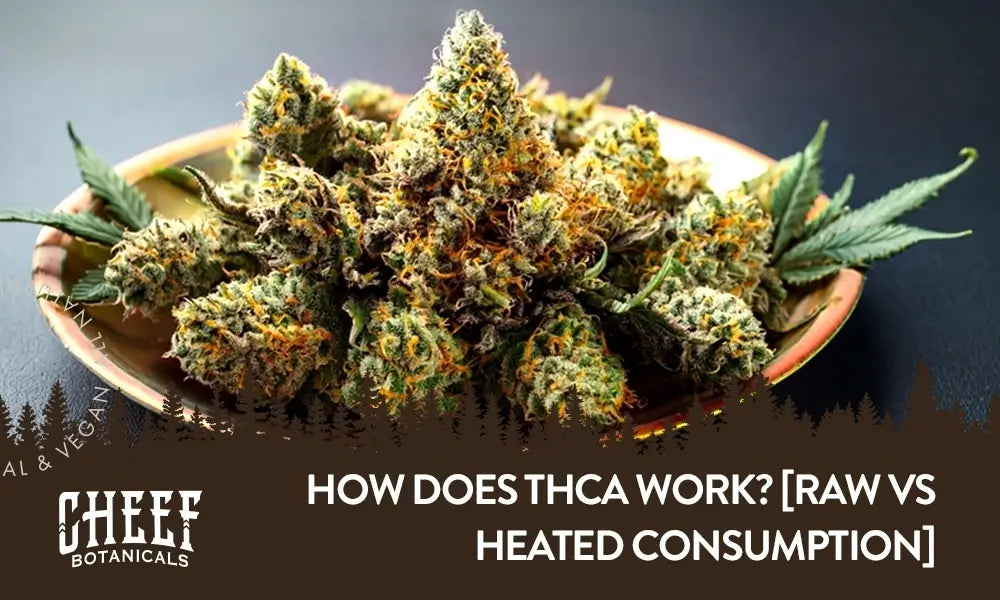
Turning THCa into THC requires heat. Once exposed to temperatures around 220°F–240°F, THCa transforms through decarboxylation. This conversion process removes carbon dioxide and activates the compound. In practice, smoking, vaping, or cooking cannabis products triggers this reaction.
The numbers matter, too. THCa can convert at up to 87.7%, so 1000 mg may yield about 880 mg of traditional THC. That shift leads to potent psychoactive effects, and some users describe intense euphoria, depending on dose and tolerance. Without heat, THCa remains non-psychoactive.
THCa Consumption Methods
How you use THCa depends on your routine and the experience you’re after. Some options remain non-psychoactive, while others activate THC through heat. Here’s a quick look at your versatile consumption methods.
- Raw Cannabis Products. Fresh options like THCa flower, tinctures, and juices let you consume THCa without a high. Since no heat is involved, the compound stays intact. Many people choose this approach for its subtle therapeutic benefits, mainly from the hemp-derived cannabinoids in their natural state.
- Smoking and Vaping. Heat sets off a chemical reaction. Once exposed, THCa transforms into THC and produces potent effects. Depending on the dose, users describe the experience as a light uplift or more noticeable sensations.
- THCa Blends. These combine tetrahydrocannabinolic acid with other hemp-derived cannabinoids. Some formulas, like our THCa edibles, stay non-psychoactive, while others include THC or THCp for more pronounced effects after use.
Potential Benefits of THCa
THCa brings a different kind of value. It skips the high but still connects with your body in useful ways. Early cannabinoid research points to promising therapeutic effects, making it a solid pick for those who want balance without psychoactive intensity.
May Soothe Aches and Soreness
THCa is often used for everyday discomfort due to swelling or tenderness. It works with your body’s cannabinoid receptors, which play a role in how you feel physically. Many people turn to it for steady relief and easier movement.
Potential Neuroprotective Effects
Your brain does a lot behind the scenes, and THCa may help keep things running smoothly. Some studies suggest it could help protect brain cells and support function, even in trace amounts, particularly in areas linked to memory.
Antiemetic Properties
You can use THCa when your stomach feels off. It may help ease queasiness and support a steadier appetite without any high. Unlike options with mild psychoactive effects, this approach keeps your head clear while your body settles.
Antioxidant Effects
THCa may help your body handle everyday wear at the cellular level. It acts as an antioxidant, helping protect cells from damage linked to oxidation. Even in minute amounts, this added layer of defense can support long-term wellness and balance.
What Is HHC?
HHC, short for hexahydrocannabinol, is a naturally occurring cannabinoid found in hemp plants. It's created through a process that adds hydrogen atoms to THC. This forms a more stable hydrogenated form, which helps give HHC a better shelf life compared to many other compounds.
In terms of effects, HHC produces noticeable euphoria, though many describe it as smoother than Delta 9 THC. It is often viewed as a THC isomer with balanced intensity. Thanks to its stability and consistent profile, it fits well into edibles, vapes, and other hemp products.
How Is HHC Made?
HHC is created through a controlled lab process that modifies THC for added stability. It begins with extraction, then moves through chemical refinement. Here’s how that process unfolds step by step.
- Extract THC. The process begins by isolating THC from cannabis plants using methods like CO2 or ethanol extraction. This step separates cannabinoids from plant material and creates a clean base compound used in many hemp-derived products on the cannabis market today.
- Add Hydrogen. Next comes the hydrogenation process, where hydrogen gas is introduced under controlled conditions. With a catalyst, the THC molecule is altered into a hydrogenated derivative, changing its chemical structure and stability. This step defines HHC and contributes to its longer shelf life.
- Purify the HHC. The final stage removes leftover catalysts and unwanted compounds, including potential residual solvents. The result is a refined product ready for use in vapes, oils, and other formats.
Natural HHC exists in very small amounts, but most available products are produced synthetically due to low bioavailability.
HHC Consumption Methods
HHC fits into different routines with ease. Each method offers a slightly different feel, so your choice depends on how you like to consume it.
- Vaping. Vaping delivers quick effects and easy control over intake. Most cartridges work with standard pens. Many choose this for fast onset and steady potent effects.
- Edibles. HHC edibles take some time to kick in, but last much longer. Gummies and chocolates are common picks. Many report a steady, calming feel with deep relaxation as effects settle.
- Tinctures. Tinctures offer precise dosing. You can use them under your tongue or mix them into drinks. This method is discreet and works well for controlled use anytime.
- Smoking. Smoking HHC flower gives immediate effects and a familiar feel. It suits those who enjoy traditional use and want fast results.
Potential Benefits of HHC
HHC brings a mix of effects that appeal to both new and experienced users. HHC generally delivers balanced results, often linked to calm focus and mild uplift. Many turn to it for steady stress relief without feeling heavy.
Discomfort Relief
HHC may help if your body feels worn down. It may ease soreness and stiffness, helping you move more comfortably through the day. Many experienced users note its calming edge, often linked to gentle sedative properties without the intense psychoactive effects of other cannabinoids.
Mood Enhancement
HHC offers a lighter take on the classic THC experience. It can gently lift your mood and spark motivation without going overboard. Many people prefer this balanced feel, especially when they want a clear, upbeat mindset without intense psychedelic effects.
May Soothe Anxiety and Stress
Some days feel heavier than others, and HHC can take the edge off. It promotes a calmer state without dulling your focus. Many experienced users reach for it when they want to unwind and reset after a long day.
Sleep Support
Rest can feel out of reach some nights, and HHC may help you settle in. Its calming effects support a smoother wind-down, making it easier to fall asleep and stay asleep. Many people use it to promote more consistent, restful nights.
Potential Anti-Inflammatory Effects
HHC may help settle swelling and redness, which can ease irritation in affected areas. With less tenderness, movement often feels smoother. Many people notice improved comfort, making everyday activities easier to manage without added strain or stiffness.
May Provide Anti-Nausea and Appetite Stimulation
When your stomach feels off, HHC may help ease queasiness and make food more appealing again. It can support a steadier appetite, which helps you keep up with regular meals and feel more balanced throughout the day.
Potential Neuroprotective Properties
Your brain handles a lot each day, and HHC may offer some added support. Early findings suggest it may offer neuroprotective benefits, though more research is needed. Because of its synthetic nature, it’s smart to check with a professional before use.
Comparing the Effects of THCa vs HHC
To choose between these two compounds, start with how each one feels. The THCa vs HHC comparison below highlights clear differences in how they interact with your body. While both HHC and THCa come from hemp, their effects can vary widely, making it easier to match each option with your preferences.
Psychoactivity
THCa in its raw form does not produce a high. You can consume it without psychoactive effects. Once heat is applied through smoking, vaping, or cooking, it converts into THC and produces a high.
HHC works differently. It already carries mild psychoactive effects, often described as smooth and controlled. Many place it below Delta 9 THC in intensity, around 70–80%. In the HHC vs THCa comparison, the difference comes from when and how each becomes psychoactive.
Potential Side Effects
Raw THCa is usually well-tolerated. Most consumers report little to no issues, though some may notice mild stomach troubles. It does not produce intoxicating effects, so dizziness or uneasy feelings are unlikely.
HHC is different. It can cause dry mouth, dizziness, faster heart rate, or anxious behaviors, especially at high doses. This is common with many cannabinoids, including some controlled substances. Start low and increase slowly. Give your body time to adjust.
Legality
THCa sits in a gray area that depends on how it is used. In its raw form, it is generally allowed. Once THCa undergoes decarboxylation and converts into THC, different rules apply since THC is regulated in many areas.
HHC legal status can be less straightforward. Under federal law, hemp-derived forms are often allowed, similar to some hemp-derived CBD products. Still, state laws can vary. Some places restrict or regulate HHC differently, so checking local rules before buying or using it is always a smart move.
Related Post: HHC vs THC: Effects, Legality, and Uses Explained
Where to Get HHC and THCa Products

When quality matters, you want a source you can trust. At Cheef Botanicals, we craft premium HHC and THCa products using carefully selected hemp and strict quality standards. Every batch is tested, so you know exactly what you’re getting.
You can still find options online or at licensed dispensaries in legal areas, where THCa is often more available. But not all products are created equal. Always look for brands that share third-party lab results and clear ingredient details. Checking local laws before buying also keeps everything smooth and stress-free.
What to Look for When Choosing HHC and THCa Products
Not all products are made with the same care, and that can affect your experience. A few smart checks can help you pick the perfect options for you.
- Third-party lab testing. Always check for verified lab reports. These confirm purity and potency while screening for contaminants like heavy metals or pesticides. Clear, easy-to-read results show the brand values transparency.
- Cannabinoid content. Look for precise labeling that lists HHC or THCa per serving. Accurate dosing helps you control your experience. Consistency from batch to batch also signals a well-made product.
- Product form. Think about how you prefer to consume. Flower, gummies, vapes, or tinctures each deliver a different pace and feel. Choosing the right format makes your routine more enjoyable.
- Ingredients list. Clean formulas matter. Check for simple, recognizable ingredients without unnecessary fillers, artificial colors, or synthetic additives. A short, clear list often points to better overall quality.
- Customer reviews. Real feedback can reveal how a product performs day to day. Look for patterns in comments about taste, consistency, and overall experience before making a decision.
- Reputable retailers. Stick with trusted brands or licensed dispensaries. Reliable sources are more likely to offer authentic products, clear details, and dependable quality every time.
Why Choose Cheef Botanicals THCa and HHC Products
At Cheef Botanicals, quality is built into every step. From sourcing to formulation, each product reflects a commitment to clean ingredients and consistent, reliable performance.
Our THCa products give you flexible options for any routine:
- THCa vape cartridges for smooth, controlled sessions on demand.
- THCa disposable vapes for simple, ready-to-use convenience.
- THCa flower in standout strains like white truffle and blue nerds for a rich, classic experience.
- THCa pre-rolls when you want something quick and easy without prep.
- THCa concentrates for a more refined, potent format.
On the HHC side, our HHC gummies are made to help you unwind without feeling overwhelmed. These fruit-flavored HHC gummies are crafted with natural ingredients and no artificial colors or flavors, giving you a clean, enjoyable option that fits into your day.
We back everything with transparency. Each product includes a Certificate of Analysis (COA) from third-party testing, so you can check purity, potency, and safety before you even take your first use.
With Cheef Botanicals, you get carefully grown hemp, reliable quality, and products made to deliver a consistent experience every time.
Final Thoughts: HHC vs THCa
Most people look for a single “best” option, but that misses the point. HHC and THCa serve different roles, and knowing when to use each one is where real control begins. HHC gives you a noticeable lift when you want to unwind and reset. THCa keeps things grounded, offering support without stepping into a high.
That flexibility is what makes this space exciting. You are not locked into one experience. You can choose what fits your moment. At Cheef Botanicals, we create products with careful sourcing and consistent quality you can rely on. Try both, pay attention to how you feel, and make it yours.
Read more about THCa articles here
Ready to try it for yourself? Shop our full selection of THCa flower to find your ideal strain.

 Watermelon OG - Top Seller
 Runtz THCa Flower - Excellent Choice
 Han Solo THCa Flower - Highly Rated
 Space Junkie THCa Flower - Good Value

Leave a comment
This site is protected by hCaptcha and the hCaptcha Privacy Policy and Terms of Service apply.