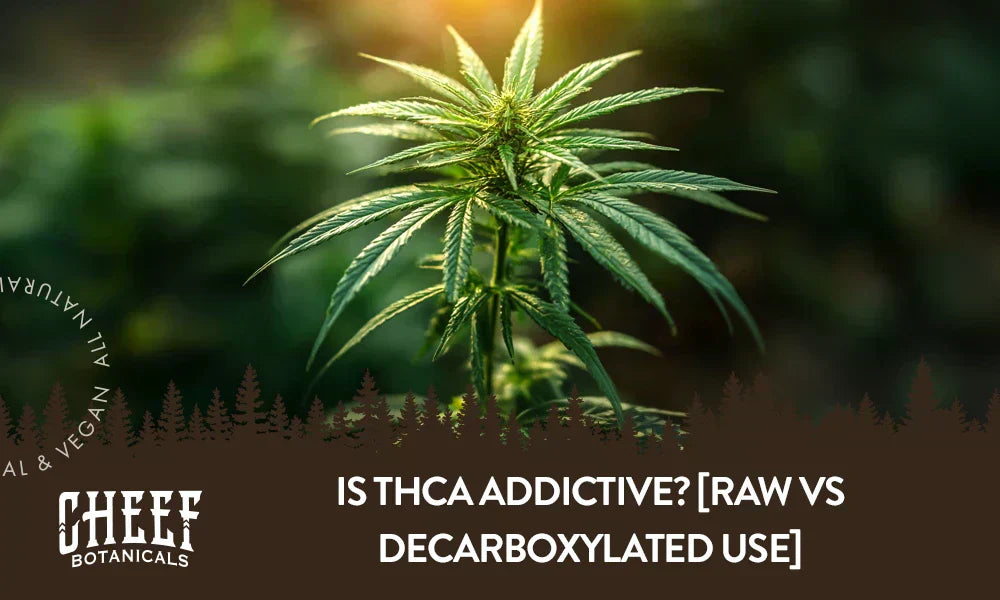
Is THCa addictive? Short answer: not in its raw form. THCA starts off as THC’s low-key precursor, sitting in fresh cannabis without triggering a high or activating the brain’s reward system. No buzz, no pull.
Add heat, though, and it converts into THC, the compound linked to psychoactive effects and habit-forming potential. That single change can completely alter how it interacts with your body. Here’s what you should know before you try it.
Key Highlights
- THCA is the non-psychoactive precursor to THC found in raw cannabis. On its own, it does not produce a high or activate the brain’s reward system, so current evidence does not suggest it is addictive in its raw form.
- When THCA is heated through smoking, vaping, or cooking, it undergoes decarboxylation and converts into THC. This change allows it to interact with CB1 receptors in the brain, producing psychoactive effects and introducing the same habit-forming potential associated with THC.
- THCA differs from THC because it cannot effectively bind to CB1 receptors until it is heated. This is why raw THCA provides a non-intoxicating experience, while heated THCA behaves like THC.
- Using THCA regularly is not the same as addiction. Habitual use can develop with many products, but addiction involves compulsive use and dependence. Current research indicates these concerns are linked to THC rather than raw THCA.
-
Cheef Botanicals offers a variety of third-party tested THCA products, including premium flower, concentrates, and vapes, allowing consumers to choose between raw THCA or activated THC experiences depending on how the product is used.
What Is THCA?

THCA, or tetrahydrocannabinolic acid, is one of the naturally occurring cannabinoids in the cannabis plant. In its raw form, it does not create psychoactive effects. When exposed to heat, it transforms into THC or tetrahydrocannabinol, the compound that creates a high.
So, is THCA addictive? Apparently not. THCA is commonly found in unprocessed cannabis, before it’s dried or cured. For many individuals, this compound offers a safe way to learn how cannabinoids work without unwanted side effects.
What Happens When THCA Is Heated or Decarboxylated
When you heat THCA through smoking, vaping, or cooking, a process called decarboxylation begins. A small carbon group that keeps this compound from interacting with the body is removed from its structure.
Once that piece is gone, THCA turns into THC, the compound responsible for psychoactive effects. This active form can bind more easily with cannabinoid receptors in the brain. That interaction can influence how you perceive sensations and mood. It also explains why heat plays a key role in how cannabis works.
How THCA Differs from THC
Knowing the difference between THCA and THC helps you understand how different cannabis products can affect you. It also helps you avoid unwanted surprises, especially when you plan to move beyond edibles. Below, we’ll break down how these two compounds compare.
Non-Psychoactive vs. Psychoactive Effects
THCA in its raw form does not create psychoactive effects because it does not interact with the brain like THC. It is ideal for those who want cannabis without feeling elevated. THC works differently and binds easily to brain receptors. The high that follows can lead to unwanted side effects.
CB1 Receptor Binding and Brain Response
THCA does not fit well into CB1 receptors in the brain, so it does not produce psychoactive effects. Its structure blocks that connection. Once heat is applied, the compound changes and binds more easily. That bond influences brain activity and perception. This difference is important if you want to learn how to use cannabis with heat.
Why THCA Doesn’t Produce a “High”
THCA will not create a high because it is inactive in its raw state. Without heat, it cannot interact with the brain in a way that influences mood or perception. This holds true in the early stages of cannabis use. Raw plants and leaves offer a safe option for those avoiding euphoric effects.
Understanding Addiction, Cannabinoids, and Harmful Substances
Addiction develops when a substance rewires how the brain rewards pleasure and motivation. Some psychoactive cannabinoids can trigger that cycle with repeated use. THCA works differently from these harmful substances. It does not activate those reward pathways and lead to compulsive behavior.
Why Psychoactive Compounds Are More Likely to Be Habit-Forming
Psychoactive compounds like THC connect directly with receptors in the brain and trigger dopamine release. That reward signal can encourage repeated use. Over time, patterns may form, especially with frequent use. THCA takes a different road. In its raw state, it does not activate those pathways or create a similar cycle.
How THCA’s Non-Psychoactive Chemistry Reduces This Risk
THCA interacts lightly with CB1 receptors, so it does not trigger psychoactive effects or dependency. Its structure limits that connection. This allows people to explore raw cannabis without the same concerns associated with THC. Many choose it for its neuroprotective properties and much-needed balanced feel.
Can You Become Addicted to THCA (Tetrahydrocannabinolic Acid)?
Research shows THCA does not cause addiction because it does not trigger the brain’s reward system. It stays inactive in raw form, so it is not habit-forming. Most states treat it as non-intoxicating, with no clear signs of dependency. Let's examine this compound further.
Difference Between Habitual Use and Addiction
Repeating a habit is not the same as addiction. Habitual use comes from routine, while addiction involves dependence and loss of control. Some people use raw THCA often, but that does not signal addiction. It does not create cravings or withdrawal. Knowing this distinction allows you to handle cannabis products with care.
The Role of Decarboxylation in Converting THCA Into THC
During decarboxylation, it converts into THC. That change affects how it interacts with the brain and can increase the risk of dependency with frequent use. Any reliable article on substance abuse and treatment will explain that habit-forming effects come from THC, not THCA.
THCA vs. THC: Which One Can Be Addictive?
THCA and THC take very different paths in the body. THCA in raw cannabis stays non-psychoactive until heat converts it into THC. That activated form can trigger euphoric effects. Below, we’ll look at how each compound relates to potential substance dependence and responsible use.
Why THC Can Be Habit-Forming for Some People
THC binds directly to receptors in the brain and triggers dopamine, which creates a rewarding feeling that can encourage repeated use. Patterns may develop and lead to adverse effects, including marijuana use disorder. It can also affect your relationships, your time with a loved one, and your overall well-being.
How THCA Maintains Its Non-Addictive Profile
THCA contains an extra carboxyl group in its structure, which keeps it from fitting into CB1 receptors in the brain. That mismatch blocks psychoactive effects and lowers the risk of dependency. Without heat, it does not convert into THC. Many people choose it for a more grounded cannabis experience.
Safe and Responsible Use of THCA Products
THCA may not be addictive, but it still helps to use it responsibly. Start with small amounts and pay attention to how your body responds. Choose lab-tested cannabis products with verified COAs to confirm quality. If you take other medications or have health concerns, contact a professional before adding THCA.
Benefits of THCA Without the High
THCA offers a steady, non-euphoric way to experience cannabis. A lot of people prefer it when they want balance without feeling altered.
- Supports Natural Recovery. THCA may ease post-activity discomfort and help the body settle after movement, all without psychoactive effects.
- Encourages Balance and Calm. Its non-psychoactive nature may help steady mood and promote clearer thinking during daily routines.
- Promotes Cellular Health. Early research highlights antioxidant and neuroprotective properties that may support long-term wellness.
- May Help With Soreness or Aches. Some people report relief from muscle tension, with potential anti-inflammatory properties supporting overall comfort.
Cheef Botanicals THCA Collection

At Cheef Botanicals, we keep things simple, clean, and impressive. Our THCA products come from carefully grown hemp that meets federal standards, with every batch backed by third-party testing and easy-to-access COAs.
We follow FDA-aligned practices for transparency. From fresh flower to smooth vapes and flavorful edibles, each product is crafted for consistency, which you can feel from the first use.
Premium Indoor THCA Flower Strains
Our indoor THCA flower is grown with close control over light, temperature, and humidity, which helps preserve freshness and potency. Each strain carries raw THCA, offering a non-euphoric option for those who prefer a more grounded experience. You can smoke it, vape it, or even blend it into raw juices.
Here are some popular options:
- Han Solo
- Blue Dream
- Lemon Cherry Gelato
- OG Kush
- White Truffle
- Runtz x OG Kush
- Space Junkie
- Pineapple
- Gelato
- Galactic Warheads
Potent THCA Concentrates and Vapes
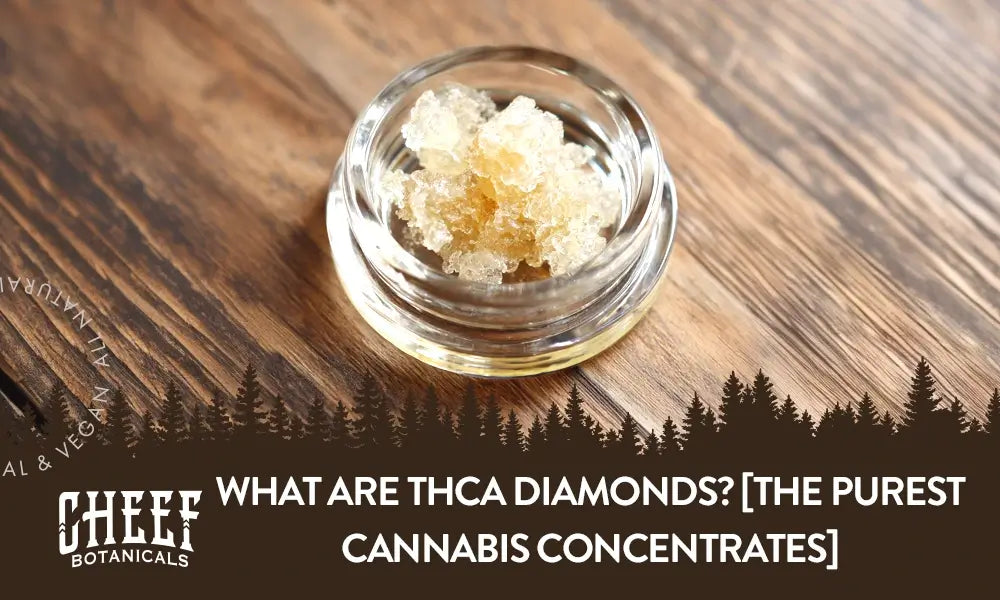
Looking for something with more intensity? Our THCA concentrates and vapes deliver a stronger experience once heat is applied. These formats preserve cannabinoids in their natural state until activated, giving you more control over how you enjoy them. Vapes offer a simple, smooth option, while concentrates like live rosin and diamonds appeal to those who prefer higher potency.
Our collection includes:
- THCA Diamonds (Live Resin)
- THCA Live Rosin
- Lemon Cherry Gelato THCA Vape Cart
- Berry Gelato THCA Vape Cart
- Blue Dream THCA Disposable
- Durban Poison THCA Disposable
THCA Frequently Asked Questions
Is it bad to smoke THCA every day?
Smoking THCA daily is not automatically harmful, but balance matters. Once heated, it converts into THC and produces psychoactive effects. Frequent use may lead to tolerance or mild effects like fatigue or dry mouth. If you prefer a lighter approach, raw THCA options avoid activation.
What are the benefits of using THCA?
THCA gives you access to cannabis without the high, which is a big plus for many people. Early research points to antioxidant activity, neuroprotective potential, and support for swelling or tenderness. It may also help you feel more balanced and clear. Since it stays non-intoxicating, it fits easily into a steady, daytime routine.
What are the different ways to consume THCA?
THCA gives you a range of options, depending on how you want it to feel. Some methods keep it gentle, while others activate stronger effects. Your choice shapes the experience.
- THCA Flower. Smoking or vaping applies heat and converts it into THC for more noticeable effects.
- Concentrates. Diamonds and live rosin deliver higher potency and faster onset once heated.
- Vapes and Cartridges. These offer a simple, portable way to activate THCA with consistent results.
- Edibles or Gummies. Heat makes THCA feel stronger, while raw forms stay mild.
- Raw Juicing. Fresh cannabis keeps THCA non-psychoactive for a lighter, balanced experience.
Final Thoughts - Is THCA Addictive?
THCA is all about control. Keep it raw, and you get a grounded, non-euphoric experience. Add heat, and it becomes something entirely different. That simple switch shapes everything.
At Cheef Botanicals, our THCAa products are crafted to give you that choice, so you can enjoy cannabis your way, with clarity, consistency, and confidence.

 Watermelon OG - Top Seller
 Runtz THCa Flower - Excellent Choice
 Han Solo THCa Flower - Highly Rated
 Space Junkie THCa Flower - Good Value


Leave a comment
This site is protected by hCaptcha and the hCaptcha Privacy Policy and Terms of Service apply.