

Does THCP show up on a drug test? Short answer: yes, it can. THCp behaves a lot like THC once it enters your body, and drug tests don’t care what the actual cannabinoid is. They only care about what your body turns it into.
If you face drug testing requirements for work or any other reason, guessing won’t help. Understanding how THCp works in the body gives you a much clearer picture before test day.
What Is THCP and How Does It Work?
THCp, short for tetrahydrocannabiphorol, comes from the cannabis plant and brings serious strength. Researchers identified THC-p in 2019, and it quickly earned attention for hitting much harder than traditional THC.
THCp works by attaching directly to cannabinoid receptors in the body, especially CB1 receptors that influence perception, mood, and sensation. It binds far more tightly than THC, making it feel stronger and last longer.
Once you consume THC-p, your body treats it a lot like THC. Your system breaks it down into THC metabolites. Standard drug tests look for these particular leftovers, not the original cannabinoid.
Understanding THCP's Unique Structure and Potency
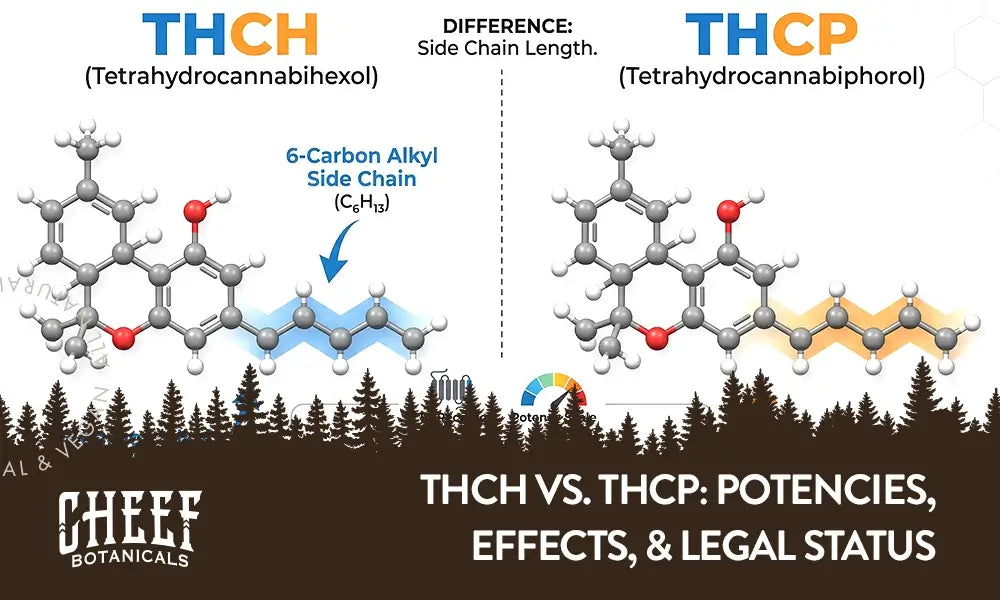
Unlike THC, which has a five-link alkyl side chain, THCp has seven links. Those extra links allow THC-p to cling much more tightly to cannabinoid receptors. Research suggests it may bind up to 33 times more strongly than traditional THC.
This binding strength explains why small servings can feel powerful and long-lasting. Taking more than needed can quickly feel overwhelming.
How It Differs From THC and Other Hemp-Derived Cannabinoids
Traditional THC in cannabis products delivers noticeable effects, but THCp turns up the intensity fast. Smaller amounts go a long way. The experience often feels heavier and longer-lasting than what most hemp cannabinoids produce.
Other cannabinoids, like Delta-8 or THCv, tend to feel lighter and more functional by comparison. THC-p doesn’t aim for subtlety. Its potency explains why it behaves more like THC in the body and why drug tests don’t treat it as something separate.
How Drug Tests Detect Cannabinoids

Drug tests don’t look for THC-p by name. They look for what your body leaves behind after cannabis use. Once THCp enters your system, your body breaks it down into THC metabolites, and those are what tests target. Most testing methods focus on these metabolites because they stick around longer than the effects themselves. Urine, blood, saliva, and hair tests all rely on this same idea.
This process doesn’t change just because a cannabinoid comes from hemp. Whether you take THC, THCp, or similar compounds, your body produces metabolites that look almost identical on a test. That explains why THCP consumer products can still trigger a positive result, even when they follow hemp guidelines.
The Role of THC Metabolites in Testing
As mentioned, after you consume THCp, your system breaks it down into THC metabolites, mainly THC-COOH. Drug tests hunt for these particular leftovers that stick around far longer than the effects. That’s why someone can feel totally normal and still fail a drug test days or even weeks later.
THC-p creates metabolites that look nearly identical to those from traditional THC. Because of that similarity, drug tests can’t tell which cannabinoid you actually took. To the test, THCp and THC look the same.
Common Types of Drug Tests
Most drug tests aim to detect THC metabolites after your body processes THCp or similar compounds. Each test works a little differently and comes with its own detection window.
- Urine Tests. Employers use these most often, and they can detect THC metabolites for days or even weeks, depending on use and frequency.
- Blood Tests. These tests focus on recent intake and usually detect cannabinoids for a few hours up to several days.
- Saliva Tests. Oral fluid tests can catch THC compounds for about one to three days after use.
- Hair Tests. Hair testing tracks long-term use and can detect trace amounts for up to 90 days.
Can THCP Trigger a Positive Drug Test Result?
Yes, THCp can make you test positive in a drug test. Most drug screenings look for THC metabolites, not the specific cannabinoid you consumed. Remember that when you take THCp, your body creates metabolites that closely match those from traditional THC. Because those metabolites look nearly identical, testing systems flag them the same way.
How Long THCP Can Stay in Your System
How long THC-p sticks around can vary depending on frequency of intake and how your body handles cannabinoids. Because THCp is a potent cannabinoid, your system may hold onto its metabolites longer than it does with traditional THC.
Occasional consumers often clear THC-p faster, sometimes within several days. For heavy users, it's a whole different story. THCp metabolites can build up over time, especially since the body stores them in fat cells and releases them gradually. Individual factors like metabolism, body composition, and dose size all shape the timeline.
Single Use vs. Moderate Use vs. Heavy or Consistent Use
A single use usually leaves THC-related metabolites in your system for a few days. Light, infrequent intake gives your body time to process and clear them without much buildup.
Moderate use, such as a few times per week, can extend detection periods to one or two weeks. Each session adds more metabolites, and your body needs longer to catch up.
Heavy or consistent use creates the longest detection times. THC-p metabolites accumulate in fat cells and release slowly over time. This can lead to positive test results for several weeks or longer.
Approximate Detection Windows
THCp detection times vary based on usage patterns, dose size, and individual body factors. These timeframes offer general guidance, not guarantees:
- Urine Detection: 3–30 days based on frequency and dose.
- Blood Detection: 1–7 days after consumption.
- Saliva Detection: 1–3 days, often shorter for light consumers.
- Hair Detection: Up to 90 days, capturing long-term intake.
Factors That Affect How Long THCP Remains Detectable
THCp doesn’t behave the same way in every body. Several factors influence how long THC-p metabolites stick around and show up on drug tests, including:
- Dosage Size
- Frequency of Use
- Type of THCp Product Used
- Metabolism Speed
- Body Fat Percentage
- Hydration Levels
- Overall Activity Level
- Time Between Use and Testing
These factors work together to shape your detection timeline. This explains why two people can use the same product and get very different test results.
Dosage, Frequency, and Product Type
Higher doses and frequent intake naturally lead to longer detection times. Every puff, gummy, or drop of THC-p adds more THC metabolites that your body has to clear out. Taking high milligram strength items daily can make those leftovers linger.
The type of product also matters. Edibles and tinctures often stay in your system longer than vapes or flower because they pass through the digestive system first. That slower process gives the body more time to store leftover compounds.
Metabolism, Body Fat, and Hydration
Faster metabolism means shorter detection windows, while slower metabolism lets those leftovers hang around. Body composition also factors in since THCp can settle in fat and release gradually over time.
Staying hydrated helps your system move things along. Drinking enough water won't erase THC-p overnight, but it supports your body's natural clearing process.
THCP vs THC: Does the Difference Matter for Testing?
When it comes to drug testing, the difference between THCp and THC barely matters. Your body handles both cannabinoids in nearly the same way, and that similarity causes the real issue. In other words, the test doesn’t ask what you took. It only sees what’s left behind. Whether THC came from marijuana or THC-p came from hemp, the result often looks identical on a screening.
Why Most Tests Can't Distinguish Between THCP and THC
Drug tests focus on one thing only: THC-COOH. This is the metabolite your body creates after processing THC-like compounds. To drug tests, THCp and THC might as well be twins.
Even advanced testing tools don’t usually separate these specific cannabinoids during routine screenings. Labs design most screenings for speed and consistency, not compound deep dives. That limitation explains why THCp use can trigger the same results as regular THC.
How Legal Hemp-Derived Products Still Carry Testing Risks
Hemp-derived doesn’t mean drug-test-proof. Even when THC-p comes from federally compliant hemp, your body still processes it the same way it handles THC. Legal status doesn’t change chemistry, and tests don’t check where a cannabinoid came from. So, even if a THC-p product follows Farm Bill guidelines, it can still trigger a positive test.
How To Reduce the Risk of a Positive Drug Test
If you have a drug test coming up, planning is your best solution. While no single method guarantees a negative result, these steps can help lower the chances of unwanted surprises:
- Stop THC-p Use Well Before Testing
- Allow Extra Time Between Consumption and Test Day
- Avoid Combining THCp With Other THC Compounds
- Maintain Consistent Hydration
- Stay Physically Active
- Pay Attention To Personal Tolerance and Usage Patterns
- Plan Ahead if Testing Schedules Stay Predictable
Time, Hydration, and Lifestyle Factors
The longer you wait between THCp intake and a test, the lower the odds of THC metabolites showing up. Hydration also supports your system’s natural processes, even though it won’t magically erase metabolites overnight. Regular movement helps as well, since THC compounds can hang out in fat and release slowly over time. Staying active keeps your body cycling through those stored compounds more efficiently.
Using THCP Responsibly and Planning Ahead
If testing comes up regularly for work or other obligations, spacing out THCp use or skipping it altogether during high-risk periods keeps things simpler. Pay attention to product strength, serving size, and how frequently you consume.
Responsible use also means buying from reputable brands that take transparency seriously. Hemp-derived cannabinoids with clear lab results and Certificates of Analysis (COAs) give you a better idea of what you’re actually consuming.
Cheef Botanicals THCP Collection

Cheef Botanicals' THCp Collection stands out for its quality, purity, and trust. Every product is carefully made from USA-grown hemp and backed by third-party lab tests for verified potency and safety. Each batch includes a COA, proving that what's on the label is what's in the product.
Our THCp + Delta-9 THC + HHC Gummies, THCp + Delta-9 THC Gummies, and Amanita Muscaria + Delta-9 THC + THCp Gummy Cubes feature natural, plant-based ingredients and follow Farm Bill compliance standards. Check out our THCP Collection to find premium THCP edibles, with free shipping on orders over $80 for extra value!
Final Thoughts: Staying Informed Before Using THCP
So, does THCP show up on a drug test? In most cases, yes. Drug tests look for THC-related metabolites, and your body creates those after using THCp, regardless of whether the product comes from hemp or marijuana.
If you choose to explore THC-p, do it with intention and awareness. Cheef Botanicals makes that easier by offering high-quality THCp products backed by transparent lab testing, so you know exactly what you’re getting. Stay informed, stay prepared, and stay in control. When you know the rules, you play the game smarter.

 Grape Ape THCP Hash Holes (10-Pack) - Top Seller
 Mimosa THCP Hash Holes (10-Pack) - Excellent Choice
 Trop Cherry THCP Hash Holes (10-Pack) - Highly Rated


Leave a comment
This site is protected by hCaptcha and the hCaptcha Privacy Policy and Terms of Service apply.