
THCp has moved quickly from an obscure compound to a headline cannabinoid. That sudden popularity raises an important question: Is THCp legal under current U.S. law? The answer isn’t as simple as yes or no. Hemp sourcing, THC thresholds, and state regulations all shape how THCp is treated.
Many consumers assume “hemp-derived” automatically means lawful, but that assumption can be misleading. This guide walks through the legal landscape step by step, helping you understand where THCp products stand today and why their status depends on more than marketing claims.
What Is THCP?

THCp, or tetrahydrocannabiphorol, is a cannabinoid found naturally in the cannabis plant, but only in trace amounts. It was identified in 2019 during research into lesser-known compounds beyond traditional THC. Because THCp appears so rarely in raw flower, most THCp products rely on hemp-derived cannabinoids.
What sets THCp apart is its longer alkyl side chain, which affects how strongly it binds to the brain’s cannabinoid receptors. This structural difference is why THCp is often described as more potent than Delta 9 THC. Today, it appears in hemp gummies, vapes, and infused flower.
How THCp Compares to THC
THCp and Delta 9 THC share a similar foundation, but the key difference lies in their chemical structure. Traditional THC has a five-carbon side chain, while THCp contains a longer alkyl side chain made up of seven carbon atoms. That added length changes how THCp binds within the endocannabinoid system.
This structural variation makes THCp a more potent cannabinoid than traditional THC. Although both are naturally occurring cannabinoids from the hemp plant, THCp’s stronger receptor binding gives it a distinct profile. This difference places THCp in a separate category among hemp-derived cannabinoids and other related compounds.
Potency and Effects Overview
THCp is widely regarded as one of the strongest naturally occurring cannabinoids. In laboratory testing, it shows up to a 33-fold higher CB1 binding affinity than THC, a measure of receptor interaction rather than lived intensity. In everyday use, the experience is typically far milder, closer to 5 to 10 times stronger.
People often note a mental lift, a heavier body sensation, and longer-lasting buzz. This gap between lab data and real use is the reason THCp gummies and flower blends attract hemp consumers.
Is THCp Federally Legal?
THCp is considered federally lawful when it is legally sourced from hemp plants containing no more than 0.3% Delta 9 THC by dry weight. Federal law treats hemp-derived cannabinoids as legal within federal limits. You can buy and consume legal THCp products that stay within those thresholds.
Federal and state laws do not always align, so local regulations matter when purchasing or consuming THCp products. Legal status can depend on formulation, production methods, and how federal agencies interpret enforcement as rules shift.
The 2018 Farm Bill and Hemp-Derived Cannabinoids
The 2018 Farm Bill changed cannabis laws by defining hemp as cannabis with less than 0.3 Delta 9 THC on a dry weight basis. Under federal law, THCp's legal status is tied to hemp sourcing, product formulation, and compliance. Hemp-derived cannabinoids may be federally lawful, while marijuana-derived cannabinoids remain controlled substances, subject to evolving federal regulations and enforcement interpretations.
Federal THC Limits and Compliance
Federal regulations require hemp-derived THCp products to contain no more than 0.3% Delta 9 THC. When buying gummies, flower, or other hemp products, labels should clearly show compliance. Reputable brands provide third-party lab reports that list Delta 9 THC levels and testing dates. Staying within these limits keeps THCp products federally legal and gives clarity when choosing hemp-derived cannabinoids for consumption across regulated markets.
Is THCp Legal in All 50 States?
THCp may be legal federally, but state laws vary. Some states allow hemp-derived cannabinoids under federal law, while others impose limits or restrictions. Legal THCp products must contain less than 0.3% Delta 9 THC and comply with federal and state regulations.
Below is a snapshot of states where hemp-derived cannabinoids, including THCp, are commonly permitted under existing frameworks:
- Texas
- Florida
- Ohio
- Nevada
- Kentucky
- South Carolina
- North Carolina
- Michigan
- Pennsylvania
- Oregon
- Washington
- Wisconsin
- Indiana
- Alabama
- Georgia
- New Jersey
- New Mexico
- Illinois
- Tennessee
- Wyoming
State laws governing THCp and other intoxicating hemp-derived cannabinoids change frequently. Some states apply total THC limits, while others restrict certain compounds. Always check your state’s hemp program or cannabis authority before purchasing or transporting THCp products.
In What States Is THCp Banned or Illegal?
While THCp may be legal federally, some states restrict or prohibit certain hemp-derived cannabinoids. These states regulate THCp products under broader rules that address intoxicating hemp-derived cannabinoids, production methods, or total THC content.
Below is a list of states where THCp products are often treated as restricted or considered illegal under current state regulations:
- California
- Colorado
- New York
- Vermont
- Rhode Island
- Alaska
- Idaho
- Utah
- Montana
- Virginia
- Delaware
- Arkansas
- Mississippi
- Arizona
- Iowa
State regulations can change quickly. Always review local regulations before buying, possessing, or transporting THCp products to avoid legal issues.
How State Cannabis Laws Affect THCp Products
State laws shape how THCp products are sold and consumed. Even though THCp is federally legal under the Farm Bill, state regulations vary widely. Some states permit hemp products, while others limit psychoactive effects tied to hemp-derived cannabinoids.
Understanding local laws helps reduce legal risk. Always review current cannabis laws before buying THCp gummies, flower, or other hemp products locally today.
Differences Between Hemp-Derived and Marijuana-Derived THCp
Hemp-derived cannabinoids, including THCp, are federally legal when products contain no more than 0.3 Delta 9 THC by dry weight. Marijuana-derived THCp remains classified as a controlled substance under federal law. This split affects legal status between states. To reduce risk, choose hemp plant products that follow federal regulations. Buy them from reputable brands with clear labeling.
How THCp Is Made: Natural Occurrence vs. Converted Cannabinoids
THCp occurs naturally in the cannabis plant, but only in trace amounts. This makes direct extraction from hemp impractical at scale. As a result, most THCp products use hemp-derived cannabinoids as starting materials. These compounds are converted into THCp through controlled processes. This helps maintain consistent potency while staying within federal Delta-9 THC limits. Many states regulate cannabinoids based on how they are produced. THCp’s production method helps explain why legality and compliance can vary.
Transportation and Shipping Restrictions
Transporting THCp products across state lines carries risk because state laws vary widely. THCp products qualify as federally legal. However, local regulations may restrict hemp cannabinoids at the point of entry or sale. Reputable brands limit shipping to approved states to reduce compliance issues. Before ordering hemp-derived THC products, check your state regulations. Make sure they allow legal THCp products and possession.
THCp and Drug Testing – What You Need to Know
Standard drug tests do not distinguish THCp from Delta 9 THC because both break down into similar metabolites. That means consuming THCp gummies, hemp flower, or other hemp-derived cannabinoids could still trigger a failed drug test.
Frequent use increases this risk because THC metabolites may stay in your system longer. If you face workplace or legal testing, it makes sense to avoid THCp products altogether to reduce legal repercussions.
What to Look for When Sourcing THCp Products
When shopping for THCp products, focus on legality and verification. Legal THCp products come from the hemp plant and must stay under 0.3% Delta 9 THC. Reputable brands share clear labels, batch details, and lab access for cannabinoid compounds. Choose premium THCp products that meet federal and state laws to reduce risk from mislabeled items. This also supports consistent hemp-derived cannabinoids use.
The Importance of Third-Party Lab Testing
Third-party lab reports are the most reliable way to confirm legal THCp products. These reports show whether hemp-derived cannabinoids remain within federal regulations and match what the label claims. Independent testing adds accountability that brand claims alone cannot provide.
A proper lab report lists Delta 9 THC levels, cannabinoid content, testing dates, and batch details. Without this verification, buyers risk unverified gummies, flower, or other hemp products. Always review lab reports before purchasing THC products to confirm compliance and consistency.
Quality of Included Ingredients
Premium THCp products rely on natural, plant-based ingredients. They don't contain artificial additives that can affect consistency. When buying gummies or hemp flower, check whether brands disclose ingredient lists. Trusted brands often show even sourcing details and processing methods. Products made with organic hemp and controlled extraction methods tend to deliver more predictable results.
Clear ingredient disclosure is a sign that a company follows federal law for hemp-derived cannabinoids. Choosing reputable brands helps reduce surprises during consumption.
Buying THCp Legally and Safely
When you buy THCp products, choose brands that follow federal and state regulations. Legal THCp products must contain no more than 0.3% Delta 9 THC and come from the hemp plant. Review clear labeling and third-party lab reports before consuming. Buying from reputable brands helps reduce legal risk. You also gain access to premium THCp products made with consistent care standards.
Cheef Botanicals Top-Quality THCP Products

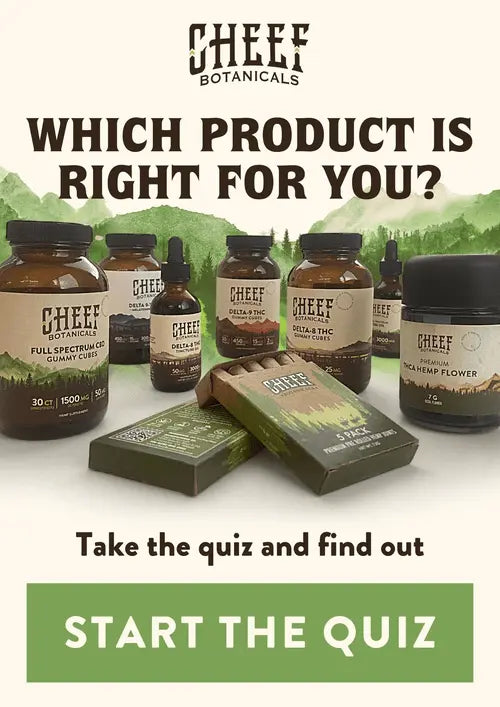
Cheef Botanicals offers federally legal hemp-derived THCp gummies made with natural ingredients. Each product follows Farm Bill standards and is tested for accurate labeling and compliance.
- THCp + Delta-9 THC + HHC Gummies. These gummies combine measured amounts of cannabinoids and include third-party lab reports. They are designed for consumers looking for psychoactive effects with controlled potency.
- THCp + Delta-9 THC Gummies. These premium THCp products feature a focused cannabinoid blend. These are ideal for those who prefer traditional flower alternatives in edible form.
Both options provide federally legal THCp products made from the hemp plant. With Cheef Botanicals, you gain access to premium products with proven quality and compliance.
FAQs – THCp Legality
Is THCp considered a controlled substance?
At the federal level, THCp is not treated as a controlled substance when it is derived from the hemp plant and products contain no more than 0.3% Delta 9 THC. Marijuana-derived cannabinoids remain controlled under federal law.
Can you fly with THCp products?
Flying with THCp can be risky. Even hemp-compliant products may face issues because airport policies and state laws differ. Always check local regulations at your departure and destination before traveling.
How old do you have to be to buy THCp?
Most states require buyers to be at least 21 years old to purchase THCp gummies, hemp flower, or other hemp products. Age limits can vary, so confirm your state’s rules before buying.
Is THCp allowed legally for medical use?
THCp products are sold under hemp regulations, not medical cannabis programs. Their legal status depends on federal and state cannabis laws, not medical prescriptions.
Will THCp be banned in more states in the future?
Cannabis laws change often. While THCp may be legal federally, some states continue to restrict intoxicating hemp-derived cannabinoids. Always review local laws before buying or consuming THCp products.
Final Thoughts – Navigating THCp Laws in the U.S.
Many consumers still ask whether THCp is legal everywhere in the United States. The answer depends on both federal and state laws. THCp may be legal federally under the Farm Bill, but state regulations differ. So, it’s important to confirm your local cannabis laws before buying THCp gummies, hemp flower, or other hemp products.
Choose reputable brands that provide third-party lab reports and clear labeling. This is the best way to avoid legal uncertainty. Cheef Botanicals offers premium THCp products made from the hemp plant and aligned with federal law. This gives you added confidence when purchasing hemp-derived cannabinoids.
Disclaimer: This content is for general informational purposes only. It is not legal advice. Cannabis laws vary by state and change over time. These include rules for hemp-derived cannabinoids like THCp. What is legal in one state may be illegal in another. Always check current local laws before buying or transporting THCp products. When in doubt, consult a qualified legal professional.

 Grape Ape THCP Hash Holes (10-Pack) - Top Seller
 Mimosa THCP Hash Holes (10-Pack) - Excellent Choice
 Trop Cherry THCP Hash Holes (10-Pack) - Highly Rated


Leave a comment
This site is protected by hCaptcha and the hCaptcha Privacy Policy and Terms of Service apply.