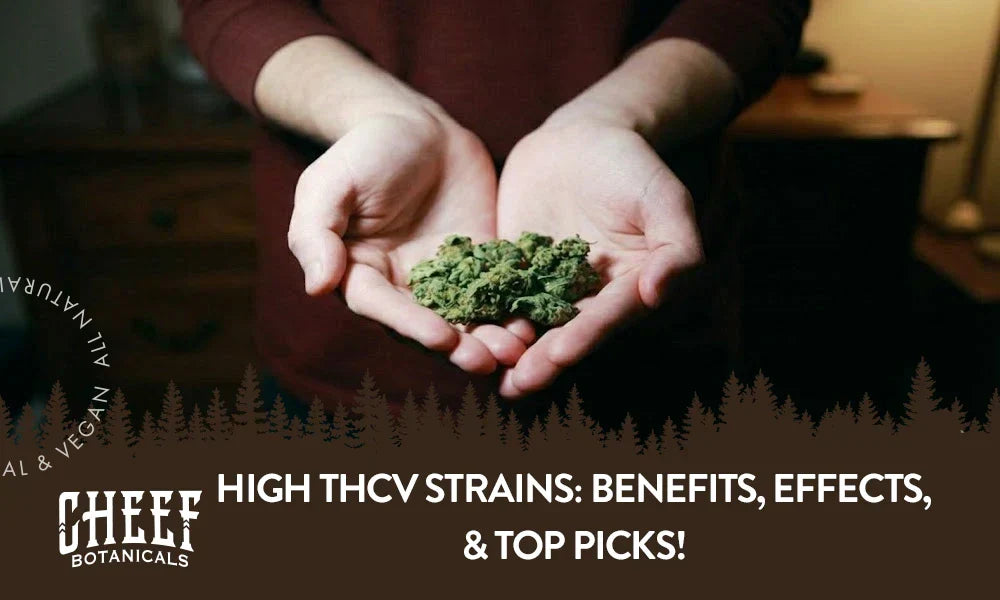
High-THCV strains offer something rare and exciting in the cannabis world. These cultivars produce more tetrahydrocannabivarin than most strains, which usually contain only traces. Many fans seek them for an alert, uplifting experience that differs from typical THC-heavy flower.
THCV is a minor cannabinoid that naturally occurs in the cannabis plant. It shares a similar molecular structure to THC, except THCV has a three-carbon side chain, while THC has five. This difference in their chemical structures changes how each compound interacts with the body.
Finding genuine strains with high THCV takes more than recognizing a famous name. Genetics and growing conditions can affect the final profile, while batch-specific lab results reveal the actual levels. Here are the top picks and tips for spotting flower that lives up to its reputation.
Key Highlights
- High-THCV strains contain more THCV than typical cultivars, but no official percentage defines “high.”
- African landrace genetics appear in several popular THCV strains, including Durban Poison and Power Plant.
- Breeders specifically bred Doug’s Varin to produce greater THCV content.
- A current Certificate of Analysis (COA) offers stronger evidence than a strain name alone.
- THCV products such as gummies provide measured servings when THCV flower proves hard to find.
What Makes a Cannabis Strain High in THCV?

A cannabis strain becomes high in THCV when its genetics favor producing THCVA, the compound that converts to THCV when heated. Growing conditions can affect how strongly certain strains express this trait. Selective breeding can make that production more consistent.
A strain name or lineage cannot confirm high THCV content. Only a current batch-specific lab report can show its measured cannabinoid levels. Genetics, African origins, and lab results provide the clearest indicators.
Genetic Background and Rare Lineages
Genetics set the natural limit for how much THCV a plant can produce. Breeders cross plants with promising traits to strengthen THCV production. Over time, this process can create more consistent THCV-rich cultivars.
The cannabis industry has no universal percentage that defines a “high THCV” strain. Growers often use the term for plants that produce far more than the trace levels in typical flower. Cultivation can support that potential, but it cannot give low-THCV parent genetics a completely different profile.
African Landrace Origins and Sativa Lineage
Many well-known African Sativa strains have a reputation for elevated THCV. These plants adapted to their native environments over generations. Durban Poison and Power Plant have African roots. Red Congolese does, too.
Geography and strain type cannot guarantee a specific result. Not all Sativa strains contain meaningful THCV, while some other strains from different regions produce it. Treat lineage as a useful clue, not final proof.
How to Confirm THCV Content with a COA
A Certificate of Analysis (COA) shows what an independent laboratory found in a specific product batch. Check THCV and THCVA first. Then review THC and THCA. Look at CBD and other cannabinoids, too. Heat converts THCVA into THCV by removing part of its molecular structure.
Match the report’s batch number to the number on the product label. Next, check the test date and laboratory name. This review confirms the THCV content far better than a strain name or online description.
Popular High-THCV Cannabis Strains
Certain cannabis varieties are prized for their THCV content. Some come from old landrace lines, while breeders developed others for greater cannabinoid production. Actual percentages can still vary between batches.
The following profiles cover seven common high-THCV strains that consumers often look for. Each brings a distinct background and reported character. Current lab results should guide your final choice.
Doug’s Varin
Breeders developed Doug’s Varin with one clear goal: produce more THCV. That focused work made it one of the best-known THCV strains. Some tested samples report about 3% to 6% THCVA, though each batch can differ.
This Sativa cultivar often earns praise for its clear, stimulating character. Many cannabis users choose it for daytime activities that require steady attention. Its limited availability makes a current COA especially valuable.
Pineapple Purps
Bright, fruity notes define this Sativa-dominant hybrid. Some tested samples have shown unusually high THCV levels, including results near 4%. No single percentage applies to every harvest.
Consumers often associate this cultivar with upbeat, creative experiences. Its tropical aroma appeals to people who value flavor and cannabinoid content. Pineapple Purps remains rare, so verify its THCV and THC levels before buying it.
Jack the Ripper
Want a THCV strain with an energetic Sativa profile and bold citrus character? Jack the Ripper, or JTR, offers that distinctive combination, with up to 5% THCV content. Some sources report elevated THCV in select samples, though levels depend on the phenotype and harvest.
JTR can also contain 15% to 25% THC. That balance may create stronger psychoactive effects than shoppers expect from a THCV-focused strain. New consumers should follow the product directions and begin carefully.
Willie Nelson
Willie Nelson pairs a memorable name with an uplifting, cerebral reputation. This Sativa-dominant hybrid often appears among other THCV strains that shoppers consider. Yet reliable public data offers few confirmed THCV percentages.
People often choose it for creative plans or daytime social settings. Track record alone cannot prove that every batch contains meaningful THCV. Only a full cannabinoid panel can confirm the actual amount.
Durban Poison
This popular option comes from South African genetics and ranks among the most recognized high-THCV cannabis strains. Durban Poison contains nearly 1% THCV. Select phenotypes have reportedly reached 3% to 5% THCV. Other batches may contain far less.
Consumers often describe its character as bright and active. Shoppers may find it more easily than rare cultivars like Doug’s Varin or Pineapple Purps. Even so, confirm the current batch instead of relying on its familiar name.
Power Plant
Power Plant combines South African genetics with an energetic Sativa character. Its profile often carries earthy and woody notes. A peppery edge adds extra depth, while some batches may also contain elevated THCV.
No Power Plant variety guarantees a set percentage. Growers and phenotypes can produce different cannabinoid results. Check the COA before choosing it for its THCV profile.
Red Congolese
Lively and cerebral, Red Congolese carries ties to African lineage. Many strain guides include it among strains high in THCV. Public test results show no consistent percentage across batches.
Consumers often choose this strain for active daytime plans. Its uncommon genetics can make authentic flower difficult to find. Buy from licensed sources and confirm the cannabinoid profile whenever possible.
How to Choose a High-THCV Strain
Choosing a high-THCV strain takes more than picking a familiar name. A simple step-by-step review can help narrow your options. It also keeps the comparison clear and practical.
We'll walk you through that process next. Each step focuses on a different part of the decision. Follow them in order when reviewing THCV-rich products.
Start with Your Desired Experience
First, decide when and where you plan to enjoy the product. Consumers focused on daytime use may choose THCV flower for creative projects or social plans. Others may seek ways to relieve stress. These reports do not promise the same outcome for everyone.
Consider your cannabis experience and THC tolerance. Think about your desired intensity and setting, too. Some potent strains pair meaningful THCV with high THC. These products may feel stronger than their alert profile suggests.
Check THC, CBD, and THCV Together
THCV provides only one part of the experience. THC often creates most of the noticeable psychoactive character. CBD may offer a gentler balance for some people. Together, these amounts reveal more than the THCV number alone.
Review the complete cannabinoid profile before choosing flower. High-THCV flower with plenty of THC may feel different from a THCV-and-CBD option with less THC. Compare it with Indica strains and Indica-dominant hybrid options. CBD flower may also suit those seeking relaxing effects.
Consider Terpenes and Product Format
Terpenes give the plant its aroma and add character to each strain. Products with the same name may still have different terpene levels. Check the lab report and product description for a clearer picture.
Your consumption method also affects timing. The flower form takes effect relatively quickly, while gummies take more time to work and may last longer. Extracts provide concentrated profiles, while a THCV vape offers a portable inhaled option where local rules allow it.
High-THCV Strains vs. Regular THC Strains
THCV-rich strains may feel different from regular THC strains, though their cannabinoid profiles often overlap. Below, we'll compare their reported intensity, appetite effects, and availability to help you narrow your options.
Keep the complete cannabinoid profile in mind during the comparison. Many high-THC strains contain small amounts of THCV. Some THCV-rich options also carry enough THC to produce clear, noticeable effects.
Focus and Energy vs. Heavier Intensity
THCV can create uplifting and stimulating effects, which helps explain its alert profile. Traditional THC-dominant flower may feel fuller or heavier, while high-THC strains may briefly affect short-term memory or cause brain fog. Personal tolerance can change either experience.
At lower doses, THCV acts as a CB1 receptor antagonist within the body's endocannabinoid system. At higher doses, its activity may change. Unlike THC, it does not always activate this receptor in the same way. Still, a flower’s THC usually contributes much of its overall strength.
Appetite Effects: THCV vs. THC
THC often increases hunger and causes intense munchies. THCV has gained the nickname “diet weed” because early cannabis research examined appetite suppression and other potential benefits. Although THCV shows promise, that nickname can overstate what scientists know.
Some research suggests THCV may support appetite control, but human evidence remains limited. Products can highlight THCV’s unique properties without promising weight loss, claiming to suppress appetite, or suggesting they regulate blood sugar levels. THC in the same strain may still increase hunger.
Why High-THCV Strains Are Harder to Find
Only select genetics produce notable amounts of THCV. Breeders must preserve those traits, but each phenotype may express them differently. Many dispensaries also highlight THC and omit minor cannabinoid details from their menus.
These factors make verified THCV flower harder to find than common THC varieties. A famous name may appear in stock without the expected THCV level. Lab-tested edibles and extracts can provide steadier access when local flower choices remain limited.
THCV Flower vs. Edibles and Extracts

THCV flower, edibles, and extracts offer different ways to experience this cannabinoid. Each format comes with its own onset, duration, serving control, and overall experience. Comparing these differences can help you choose the option that fits your preferences.
Why Many Consumers Choose THCV Edibles
Edibles deliver clearly labeled amounts in a convenient and discreet way. They require no smoke or extra equipment and travel easily. Measured servings also make products easier to compare than flower with unknown THCV levels.
Gummies act more slowly than inhaled products because digestion takes time. Their effects may also last longer. Follow the product directions and allow the full onset window before taking another serving.
Cheef Botanicals’ THCv Gummy Cubes
Cheef Botanicals’ THCv Gummy Cubes make it easy to consume THCV without chasing rare flower. Each bottle contains 30 cubes in assorted natural fruit flavors. Shoppers can choose a 300 mg or 750 mg bottle.
The formula uses hemp-derived Delta-9 THCV distillate and contains no more than 0.3% THC. Cheef uses natural, non-GMO ingredients without artificial colors or flavors. Fruit and vegetable extracts supply their inviting color.
Take one gummy daily or as needed. New consumers can start with half a gummy and slowly increase the amount. Browse the broader collection to add THCV to your daily wellness routine.
Why Choose Cheef Botanicals for THCV Gummies?
Cheef Botanicals makes THCv gummies easy to choose and enjoyable to add to your routine. Every bottle pairs clear product details with quality you can trust.
Here’s what sets our THCV gummies apart:
- Two strength options: Pick a 300 mg or 750 mg bottle to match your preferences and experience level.
- Simple serving guidance: Take one gummy daily or as needed. New consumers can start with half and slowly increase the amount.
- Third-party testing: Every batch undergoes independent testing, and online COAs let you review the cannabinoid profile before buying.
- Quality ingredients: We use natural, non-GMO ingredients without artificial colors or flavors.
- Hemp-derived formula: Each cube contains hemp-derived Delta-9 THCV distillate and no more than 0.3% THC.
- Flavor worth savoring: Assorted natural fruit flavors make each serving feel like a treat rather than another routine step.
- Plenty in every bottle: Each bottle contains 30 precise cubes, giving you a convenient supply with clearly labeled strength.
Where to Find High THCV Strains and Products
Licensed dispensaries may carry Durban Poison and Doug’s Varin. Some also stock Power Plant. Check inventory before visiting and request batch-specific cannabinoid results.
Online stores may offer hemp-derived THCV products where legal. Review the COA and ingredients, then confirm the strength and shipping rules. For measured servings backed by third-party testing, choose Cheef Botanicals’ THCv Gummy Cubes in a 300 mg or 750 mg bottle.
Are High-THCV Strains Legal?
High-THCV strains can be legal, depending on their THC content and where they are sold. Hemp-derived flower that meets federal requirements may qualify as legal hemp, while marijuana-derived high-THCV flower must follow each state’s medical or adult-use cannabis laws. State rules can vary, so always check local requirements before buying.
The 2018 Farm Bill removed hemp and qualifying derivatives from the federal controlled-substances definition. Under the current federal framework, qualifying hemp contains no more than 0.3% Delta-9 THC by dry weight. States can still limit hemp-derived THCV and other cannabis derived products. New federal hemp requirements take effect on November 12, 2026, unless another law changes the rules or date.
Always check local laws and the seller’s current shipping policy. The product source and THC amount both matter. Its full formula also affects whether a specific item qualifies as THCV legal. A cannabinoid name alone cannot answer that question.
Frequently Asked Questions About High THCV Strains
Are High THCV Strains Naturally Occurring or Selectively Bred?
Both. Some landrace populations naturally produce more THCV, while breeders select promising plants to create THCV-focused cultivars. Doug’s Varin offers a clear example of selective breeding.
Breeding can improve the chances of greater THCV expression. It cannot guarantee the same percentage in every plant or harvest. A current batch-specific COA provides the strongest proof.
Do High-THCV Strains Make You Feel High?
Yes, high-THCV strains can make you feel high, especially when they contain substantial tetrahydrocannabinol (THC). THCV may produce stimulating psychoactive effects at very high doses. The full cannabinoid profile plays a larger role.
Serving size and tolerance affect THCV’s effects. Format and personal response do, too. Some people describe an alert experience, while others notice the THC more strongly. Follow product directions and avoid driving or operating machinery after use.
Can High-THCV Strains Affect a Drug Test?
Yes, high-THCV flower can affect a drug test because it often contains Delta-9 THC. Standard tests commonly look for THC-related metabolites rather than the product’s marketing category. Even occasional use may affect the result.
Do not rely on a THCV label to avoid detection. No serving size or waiting period can guarantee a negative test. Avoid THC-containing products if your employer or another organization requires testing.
Final Thoughts on High THCV Strains
Hype does not define the best high-THCV strains. Rare genetics and batch-specific proof do. Doug’s Varin, Durban Poison, and Pineapple Purps may deliver elevated THCV, but only a current COA reveals what is actually inside.
When verified flower proves hard to find, Cheef Botanicals’ THCV Gummy Cubes bring this remarkable cannabinoid within easy reach. Each bottle holds 30 natural fruit-flavored cubes in a 300 mg or 750 mg strength. Check the latest third-party lab results, choose your ideal strength, and bring home a convenient THCV option that fits your routine.
Discover more about THCv here.


Leave a comment
This site is protected by hCaptcha and the hCaptcha Privacy Policy and Terms of Service apply.