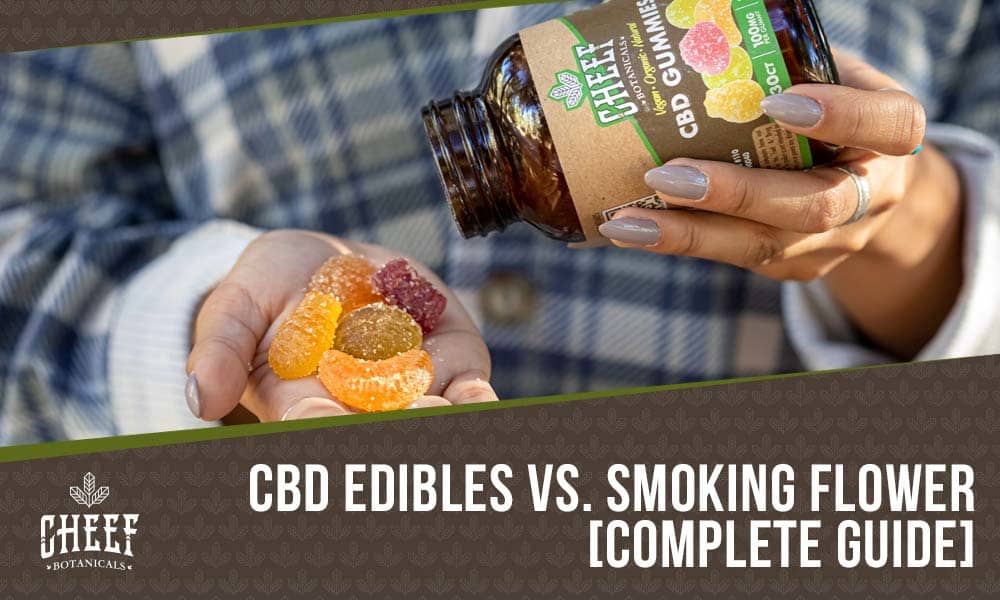
Cannabis offers more than one way to experience its effects, and the method you choose can significantly shape how it feels. Two of the most common consumption options are smoking cannabis and eating edibles. While both deliver cannabinoids like THC and CBD, the way your body processes them is very different. With so many different forms of cannabis available, it's important to consider your personal comfort level and lifestyle when selecting the right method for you.
In this guide, we’ll explore the edibles vs smoking comparison, including how each method works in the body, what the experience feels like, and how to choose the option that suits you best.
Edibles vs Smoking: A Quick Overview
At a basic level, the difference between smoking cannabis and consuming edibles comes down to the form of cannabis consumption, whether you are smoking or ingesting edibles, which affects how the cannabinoids enter your body.
- Smoking or vaping is a form that sends cannabinoids into the bloodstream through the lungs, producing effects within minutes.
- Edibles are another form, where you are ingesting cannabis-infused food. These must pass through the digestive system and liver before entering the bloodstream, which delays the onset but extends the duration.
Because of this difference, the overall experience, including how quickly the high begins and how long it lasts, can vary significantly.
What are Cannabis Edibles

Cannabis edibles typically come as CBD or THC edibles. CBD edibles are foods or drinks infused with Cannabidiol (CBD), a compound found in the cannabis plant Cannabis sativa. Unlike Tetrahydrocannabinol (THC), CBD is not psychoactive, meaning it doesn’t produce a “high.” To feel the full effects of cannabis, THC edibles are the usual go to choice.
Browse all Cheef Botanicals Cannabis Edibles Here!
How CBD edibles work
When you eat a CBD edible (such as CBD-infused gummies, chocolates, or drinks), the CBD goes through your digestive system.
- Digestion – The edible is broken down in the stomach and intestines.
- Absorption – CBD enters the bloodstream through the digestive tract.
- Liver metabolism – The compound passes through the liver before circulating through the body.
Once in the bloodstream, CBD interacts with the body’s Endocannabinoid system, which helps regulate functions like mood, sleep, appetite, and pain.
Unlike THC, CBD does not strongly bind to the CB1 receptor in the brain. Instead, it influences these receptors more indirectly, which is why it doesn’t cause intoxication.
Common types of CBD edibles
CBD can be added to many foods and drinks, including:
- Gummies
- Chocolates
- Baked goods (cookies or brownies)
- Drinks like teas or sodas
- Capsules or softgels
Effects people may experience
Because CBD is not intoxicating, the effects are usually subtle. Some people report:
- Relaxation or reduced stress
- Sleep support
- Relief from discomfort or inflammation
- Reduced anxiety
However, research on CBD is still developing in fields like Neuroscience and Pharmacology, and effects can vary between individuals.
What is Cannabis Smoking?

Cannabis smoking is the act of inhaling smoke from the burning parts of the cannabis plant, usually the dried flowers of Cannabis sativa. When the plant material is burned, it releases chemical compounds that enter the body through the lungs.
Browse Cheef Botanicals THCa Flower or CBD Flower Here!
What happens during cannabis smoking
When cannabis is smoked, heat from burning releases active compounds such as Tetrahydrocannabinol (THC) and Cannabidiol (CBD). These compounds travel in the smoke and are inhaled into the lungs.
Inside the lungs are tiny air sacs called Alveoli, which allow substances to pass quickly into the bloodstream. From there, the compounds move rapidly to the brain and other parts of the body.
How it affects the body
THC interacts with the body’s Endocannabinoid system, particularly receptors like the CB1 receptor in the brain. This interaction causes the psychoactive effects commonly called a “high.”
Common ways cannabis is smoked
People smoke cannabis using different methods, such as:
- Joints (rolled cannabis cigarettes)
- Pipes
- Bongs or water pipes
- Blunts (cannabis rolled in cigar paper)
Onset Time: Fast Effects vs Long-Lasting Results

Smoking: Almost Immediate Effects
Smoking cannabis provides one of the fastest ways to feel its effects. When inhaled, cannabinoids are absorbed directly into the bloodstream and reach the brain quickly. The THC concentration in smoked cannabis plays a significant role in determining both the potency and the speed at which effects are felt.
Most people feel the effects within 1–5 minutes, with the peak typically occurring 10–30 minutes later.
This fast onset makes smoking appealing for people who want:
- Immediate relaxation
- Quick relief from discomfort or stress
- More control over their dosage
Smoking allows for easier titration of dosage, as users can take a puff, wait, and decide if they need more. Note: Holding in hits does not increase the high and should be avoided.
Edibles: Slower Onset but Longer Effects
Edibles take longer to work because the cannabinoids must travel through the digestive system and be processed by the liver before entering the bloodstream. Ingestion of cannabis-infused food leads to slower absorption and can cause digestive upset in some users.
Effects typically begin 30 minutes to 2 hours after consumption, depending on factors such as:
- Metabolism
- Body weight
- Whether you’ve eaten recently
- THC dosage
When cannabis is consumed through food, the ingestion process means cannabinoids are metabolized in the liver. During digestion, THC converts into 11-hydroxy-THC, a compound known for producing stronger and longer-lasting psychoactive effects. This metabolite is a more potent form of THC, making edibles stronger than smoked cannabis.
Duration of Effects: How Long Does the Feeling Last?
One of the biggest differences in the smoking vs edibles experience is how long the effects stay with you. Different forms of cannabis consumption, such as edibles and smoking, result in different durations of effects. Edibles can last 4 to 8 hours or more, providing a much longer duration compared to smoking, which typically lasts about 1 to 3 hours.
Smoking Duration
- Effects begin within minutes
- Peak intensity occurs within about 30 minutes
- The high typically lasts 2–3 hours, providing a shorter duration of effects compared to edibles
Because the duration is shorter, smoking may be better suited for social settings or daytime use.
Edibles Duration
- Effects begin in 30–120 minutes
- Peak effects often occur around 2–4 hours
- The experience can last 6–8 hours or longer
For this reason, edibles are often preferred for evening relaxation, sleep support, or extended relief. Edibles are also commonly chosen for chronic pain management, as their smooth, steady, and long-lasting effects make them ideal for nighttime use or all-day symptom control.
Edible vs Smoking High: How the Experience Feels Different
Even when the THC amount is the same, the type of high can feel noticeably different.
Each method of consuming cannabis edibles vs smoking can produce different symptoms and adverse effects, and users may experience these outcomes differently depending on their personal preferences and physiology. THC affects everyone differently, and the method of consumption can significantly impact the experience.
Smoking Marijuana: Lighter and Easier to Control
The effects of smoked cannabis are often described as more cerebral and manageable. In terms of marijuana use, smoking typically results in a lighter, more manageable buzz, with a faster come-up and easier come-down compared to edibles. Because you can feel the effects quickly, you can adjust your intake gradually.
Many users find smoking ideal for:
- Socializing
- Creative activities
- Short periods of relaxation
Since the high fades relatively quickly, it may be easier to return to daily tasks afterward.
Edible High: Stronger and More Immersive
Edibles tend to create a deeper, more body-centered experience. Because of the way THC is metabolized, the effects may feel more intense and last significantly longer.
The delayed onset of edibles can lead to overdose, as users may consume more before feeling the effects. This can lead to more severe symptoms and complications compared to smoking, including acute psychiatric symptoms, anxiety, or paranoia, especially in people who are sensitive or prone to these reactions.
People often report:
- Full-body relaxation
- Enhanced sensory perception
- A heavier or more sedative feeling
However, because the onset is delayed, it’s important to avoid taking additional doses too quickly, which is one of the most common causes of uncomfortable cannabis experiences.
Dosing Differences Between Edibles and Smoking

Dosing cannabis can be more straightforward when smoking because the effects are felt quickly.
With edibles, however, accurate dosing is critical due to differences in THC concentration and the delayed onset of effects.
General beginner guidelines often recommend:
- Start with a low dose of 2.5–5 mg THC for new edible users
- Wait at least two hours before considering another dose to avoid overconsumption
- Always read the label for THC concentration per serving to understand the potency
The Centers for Disease Control and Prevention (CDC) advises starting with low doses of THC and increasing slowly to reduce the risk of unwanted effects like anxiety or confusion.
Health Considerations: Smoking vs Edibles
Another factor to consider in the edibles vs smoking debate is how each method affects your body. It’s important to note that neither method is risk-free; both edibles and smoking carry potential health risks, and cannabis consumption can never be considered completely without risk.
Smoking Considerations
Smoking cannabis involves inhaling combusted plant material, which may irritate the lungs or throat over time. Smoking cannabis is particularly risky for individuals with respiratory conditions, as it can worsen symptoms and negatively impact lung health.
Some users prefer alternative inhalation methods, such as vaporization, which may reduce exposure to combustion byproducts.
Edible Considerations
Edibles avoid respiratory irritation entirely since they do not involve inhalation. Edibles offer a discreet, odor-free, and convenient option for on-the-go use, making them ideal for users who want to consume cannabis without drawing attention.
However, while edibles avoid respiratory risks, they are not risk-free. Edibles can still pose safety concerns related to dosing, behavioral impairment, and accidental overconsumption, especially for beginners, due to the delayed onset of effects.
Lifestyle Factors: Which Option Fits Your Routine?
Your lifestyle and preferences can also influence which method feels right. The best method depends on individual needs, symptoms, and lifestyle factors, as each approach affects users differently.
Smoking may be better if you:
- Want quick effects
- Prefer shorter experiences
- Enjoy social or creative use
Edibles may be ideal if you:
- Want longer-lasting effects
- Prefer not to inhale smoke
- Need extended relaxation or sleep support
Is Smoking or Edibles Better for Beginners?
For beginners, the answer depends on personal comfort.
Smoking allows users to feel effects quickly and adjust intake gradually, which can make it easier to find the right amount.
Edibles require more patience and careful dosing, but some people prefer them because they avoid inhalation and provide longer effects.
Whichever method you choose, the most important rule is simple:
Start low and go slow.
Final Thoughts: Edibles vs Smoking
The debate between edibles vs smoking cannabis isn’t about which method is objectively better; it’s about which one works best for your needs.
Smoking offers:
- Fast onset
- Easy dosing control
- Shorter experiences
Edibles provide:
- Longer-lasting effects
- Stronger body sensations
- A smoke-free option
After reading our breakdown of the two, these questions help you determine which kind of adventure you're looking for if you don't already have a set-in-stone preference between edibles or smoking. Got a minute more to hang? Visit Cheef Botanical's CBD facts page to continue growing your CBD knowledge with us. We can't wait to keep growing with you!
Frequently Asked Questions (FAQs)
1. What are cannabis edibles, and how do they work?
Cannabis edibles are foods or drinks infused with compounds from the cannabis plant, usually THC or CBD. After consumption, the compounds are absorbed through the digestive system and processed by the liver before entering the bloodstream. This process leads to effects that are slower to start but often last longer compared to smoking.
2. What is the onset time for cannabis edibles?
The onset time for edibles is usually slower than that of inhaled cannabis. Effects typically begin within 30 minutes to 2 hours because the product must first be digested and metabolized before entering the bloodstream.
3. Why do cannabis edibles have a delayed onset?
The delayed onset occurs because the body processes edibles through the digestive system and liver. This metabolic process takes longer than inhalation, which sends cannabinoids directly into the bloodstream through the lungs.
4. Are edibles safer than smoking cannabis?
Some people consider edibles safer for the lungs because they do not involve inhaling smoke. However, edibles can still pose risks, especially if someone consumes too much due to the delayed onset of effects.
5. Can marijuana use lead to heart problems?
In some individuals, marijuana use may temporarily increase heart rate and blood pressure. For people with existing cardiovascular conditions, cannabis use could potentially contribute to heart problems so that medical guidance may be recommended.
6. When should someone consider addiction treatment for cannabis use?
If cannabis consumption begins to interfere with daily responsibilities, relationships, or mental health, it may be helpful to explore addiction treatment options. Professional support can help individuals manage substance use and develop healthier coping strategies.
7. Does insurance coverage apply to cannabis addiction treatment?
In many cases, insurance coverage may help pay for treatment programs related to substance use disorders, including cannabis-related issues. Coverage varies depending on the provider, policy, and type of treatment facility.
8. What are the key takeaways about cannabis edibles and cannabis use?
The key takeaways are that cannabis edibles have a slower onset but longer-lasting effects, responsible use is important, and individuals should be aware of possible health risks and seek professional support if cannabis use becomes problematic.

 CBD Gummies - Top Seller
 CBD + THC Gummy - Excellent Choice
 Northern Lights - Highly Rated
 Full Spectrum CBD Oil - Good Value

Leave a comment
This site is protected by hCaptcha and the hCaptcha Privacy Policy and Terms of Service apply.