

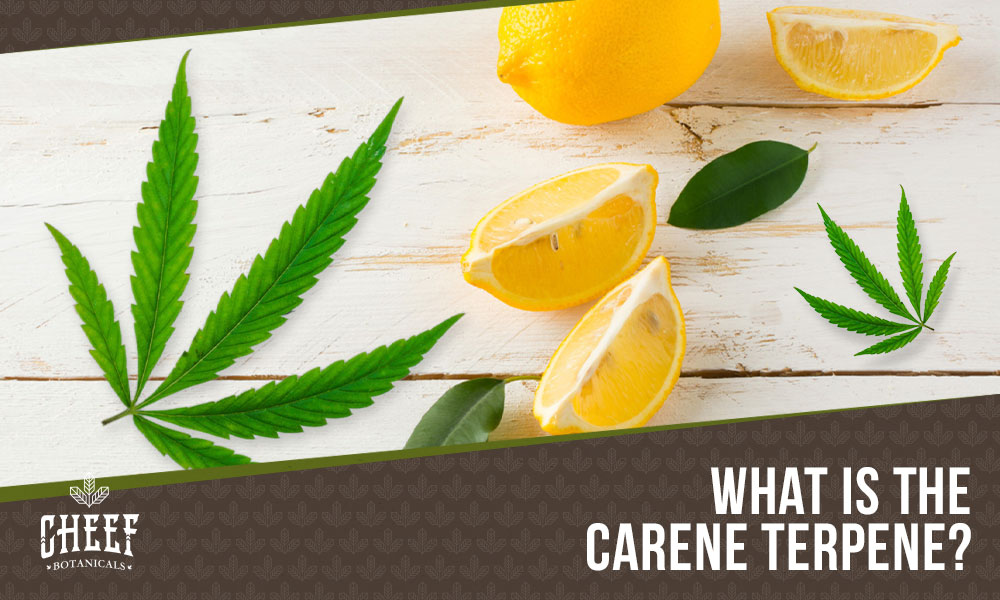
There’s a whole world of terpenes you experience daily without even realizing it. One of the more underrated yet fascinating compounds is carene terpene—a naturally occurring aromatic compound found in foods like orange juice, basil, and black pepper, as well as in cannabis. Carene is derived from natural sources and is present in nature, especially in plant-based materials such as turpentine.
Key Highlights
- Carene is a naturally occurring terpene that contributes a fresh citrus and pine aroma while supporting the overall cannabis experience.
- Although found in smaller amounts, carene may help promote relaxation, support bone health, and complement other cannabinoids through the entourage effect.
- It is naturally present in cannabis, citrus fruits, pine trees, herbs, and other aromatic plants.
- Understanding terpene profiles like carene can help you choose cannabis products that better match your desired effects and flavor preferences.
What Are Terpenes?
Terpenes are aromatic compounds responsible for the flavor and scent of many plants, including cannabis. In Cannabis sativa (hemp and marijuana), terpenes are produced in the same glands that create cannabinoids like CBD (cannabidiol) and THC (tetrahydrocannabinol).
Beyond aroma, terpenes may offer functional benefits, including:
- Anti-inflammatory properties
- Antioxidant activity
- Calming or uplifting effects
- Antimicrobial support
Each cannabis strain has a unique terpene profile, which contributes to its overall effects, taste, and user experience.
What is Carene?

Carene (specifically delta-3-carene) is a bicyclic monoterpene, meaning it has a specific molecular structure composed of two connected rings.
While it may not be as widely discussed as limonene or myrcene, carene plays an important role in shaping the flavor, aroma, and potential effects of certain cannabis strains.
Where is Carene Found?
Carene is widely used in fragrances, cosmetics, and natural products due to its pleasant scent. Naturally, it can be found in:
- Citrus fruits (orange and grapefruit juice)
- Pine and cedar trees
- Turpentine
- Basil, rosemary, and black pepper
Is Carene a Minor or Major Terpene?
Carene is generally considered a minor terpene in cannabis.
Unlike dominant terpenes such as myrcene or limonene, carene is usually present in trace to low concentrations (often below 0.15%). However, this does not diminish its importance. Even in small amounts, carene contributes to the entourage effect, where cannabinoids and terpenes work synergistically to enhance overall effects.
What Does Carene Smell and Taste Like?
Carene has a distinct and layered aroma that makes it stand out:
- Zesty lemon and citrus
- Pine and fresh wood
- Earthy and slightly musky notes
- Subtle hints of pineapple sweetness
Its flavor closely mirrors its scent, blending well with the natural profile of cannabis flower to create a refreshing and slightly sweet experience.
What Are the Effects of Carene on Bone Health?

Research on carene is still developing, but early findings and anecdotal reports suggest it may offer several wellness-supporting properties.
A 2019 study on Gynura procumbens—a medicinal plant used in Asia—highlighted the role of terpenes like carene, pinene, and limonene in contributing to the plant’s therapeutic effects. Source:
Based on current research and anecdotal evidence, carene may:
- Help reduce inflammation
- Support bone health
- Promote relaxation and restful sleep
- Offer antifungal properties
- Contribute to mental clarity when paired with other terpenes
The Entourage Effect
Carene may be most effective when combined with cannabinoids like CBD or THC and other terpenes. This synergy—known as the entourage effect—can enhance both therapeutic outcomes and overall experience.
Are There Any Side Effects of Carene?
Carene is generally considered safe in natural amounts, but like many terpenes, it may cause mild side effects in higher concentrations.
Potential considerations include:
- Dry mouth or dry eyes (a commonly reported effect)
- Possible irritation in sensitive individuals
- Allergic reactions (rare)
How Do Terpenes Work in the Body?
Terpenes interact with the body through several biological pathways, including:
- The endocannabinoid system (ECS)
- Neurotransmitter activity
- Immune and inflammatory responses
While terpenes do not bind directly to cannabinoid receptors like THC, they may influence how cannabinoids behave in the body. This interaction can modify:
- Mood and stress response
- Pain perception
- Sleep cycles
- Cognitive function
This is why terpene-rich products often feel more well-rounded and effective compared to isolated compounds.
What Strains Are High in Carene?
If you’re looking to experience carene, certain cannabis strains are more likely to contain it—even if only in small amounts.
Popular Carene-Containing Strains:
- Super Lemon Haze – Citrusy, energetic, creativity-boosting
- Jack Herer – Clear-headed, piney, uplifting
- Skunk #1 – Earthy, balanced, relaxing
- Super Silver Haze – Long-lasting cerebral energy
- AK-47 – Smooth, balanced mental and body effects
- Arjan’s Ultra Haze #2 – Fruity, euphoric, slightly psychedelic
- OG Kush– Strong, grounding, physically relaxing
- Lemon Shining Silver Haze – Highly uplifting and zesty
- Moby Dick – Intense cerebral stimulation
- Strawberry Cough – Sweet, social, daytime-friendly
Even when present in trace amounts, carene helps shape each strain’s unique aroma and effect profile.
Industrial Applications of Delta-3-Carene
Delta-3-carene plays a significant role across multiple industries thanks to its distinctive properties. Its sweet and pungent odor makes it a popular choice as a flavor and fragrance agent in both the food and cosmetic industries.
Recognized as generally safe (GRAS) for use in food additives, delta-3-carene is responsible for enhancing the aroma and taste of a variety of products, from citrus-flavored beverages to desserts and even some savory foods.
Why Carene Matters in Cannabis Products
While it may not dominate terpene charts, carene plays an important role in:
- Enhancing flavor complexity
- Supporting balanced effects
- Contributing to the entourage effect
- Offering potential therapeutic benefits
Consumers who pay attention to terpene profiles—not just THC or CBD levels—often have a more tailored and enjoyable experience.
Frequently Asked Questions About Carene Terpene
What is carene terpene and why is it considered beneficial?
Carene is a naturally occurring compound found in cannabis, trees like pine, and plants such as rosemary. It’s known for its fresh citrus and lemon-like smell, along with earthy undertones.
This terpene is considered beneficial due to its potential anti-inflammatory properties, antimicrobial activity, and calming effects. Emerging evidence from scientific journal publications and plant-based research suggests that compounds like carene may help support overall wellness when used in proper concentrations.
How is carene used in cannabis and terpene-rich oils?
Carene is often found in cannabis strains, where it contributes to aroma, flavor, and overall experience. It’s also commonly included in terpene-infused oils and other plant-based liquids designed to enhance the effects of cannabinoids like THC and CBD.
Because terpenes are soluble in fats and oils, they blend well into tinctures, vape formulations, and topical products. The combination of cannabinoids and terpenes creates a more complete effect profile, which is often supported by the entourage effect.
Is carene safe, and are there any toxic concerns?
Carene is generally recognized as safe (GRAS) when used in appropriate amounts in food and cosmetic materials. However, like many plant-derived substances, it may be irritating in high concentrations, especially for sensitive individuals.
There are no widespread reports indicating that carene is inherently toxic, but excessive exposure—particularly through inhalation or smoking—may cause mild discomfort such as dryness or irritation. Always use terpene-rich products responsibly and follow proper storage and usage guidelines.
How do clinicians and experts view terpenes like carene?
Many clinicians and researchers acknowledge that terpenes like carene show promise, but emphasize that more clinical data is needed. While decades of plant-based medicine and modern development in the cannabis industry have expanded our knowledge, experts continue to study how these compounds affect patients.
Current findings are supported by early research and anecdotal reports, but healthcare professionals recommend using terpene-based products as part of a balanced approach to wellness—not as a replacement for medical treatment.
What role does carene play in different cannabis strains?
Carene is typically present in smaller concentrations compared to dominant terpenes, but it still plays an important role in shaping the profile of many cannabis strains.
Its presence can influence:
- Flavor (especially citrus, lemon, and pine)
- Aroma complexity
- Overall effects when combined with cannabinoids
Even trace amounts of this compound can enhance the ability of a strain to deliver a more balanced and enjoyable experience.
Can carene help with symptoms or health conditions?
Some early evidence suggests that carene may help support relief from certain symptoms, such as inflammation or tension. However, most of this research comes from plant studies rather than large-scale human trials.
While terpene-rich products are often marketed as beneficial, individuals—especially women, older adults, or those with existing conditions—should consult healthcare professionals before use. This ensures safe application based on personal health and avoids unwanted interactions with other substances.
How does carene interact with cannabinoids like THC?
Carene works alongside cannabinoids such as THC in a combination that may enhance effects through the entourage effect. While THC interacts directly with receptors in the body, terpenes like carene help influence how those effects are experienced.
This interaction is supported by ongoing research and suggests that the full-spectrum presence of multiple compounds may be more effective than isolated ingredients alone.
Why is carene used in fragrances and natural products?
Carene’s fresh citrus and woody smell makes it a valuable ingredient in perfumes, cosmetics, and other scented materials. It is commonly derived from sources like turpentine, pine resin, and aromatic plants such as rosemary.
Its natural origin and pleasant scent align with the growing demand for plant-based products in the wellness and beauty industry, where consumers are seeking cleaner, more nature-inspired alternatives.
Are there regulations around terpene use like carene?
Yes, terpene use—especially in cannabis and consumer products—is subject to local and international regulations. These rules ensure that terpene-containing oils, liquids, and other materials are safe for consumption or topical use.
As the cannabis industry continues to evolve, regulatory frameworks are being developed to standardize testing, labeling, and quality control, helping protect both consumers and patients.
Does the way you consume carene affect its effects?
Yes, consumption method matters. Whether through smoking, vaping, or ingesting terpene-infused oils, the way carene enters the body can influence its ability to deliver effects.
Heating can lead to terpene ignition or degradation, which may alter flavor and reduce potency. That’s why proper product formulation, handling, and storage are important for preserving terpene integrity and maximizing benefits.
Final Thoughts on Carene Terpene
Carene is a versatile and underrated terpene that adds both aromatic appeal and potential wellness benefits to cannabis and other plants.
As terpene awareness continues to grow, compounds like carene are gaining recognition for their role in shaping the complete cannabis experience.
Browse more CBD flower guides here

 CBD Gummies - Top Seller
 CBD + THC Gummy - Excellent Choice
 Northern Lights - Highly Rated
 Full Spectrum CBD Oil - Good Value


Leave a comment
This site is protected by hCaptcha and the hCaptcha Privacy Policy and Terms of Service apply.