

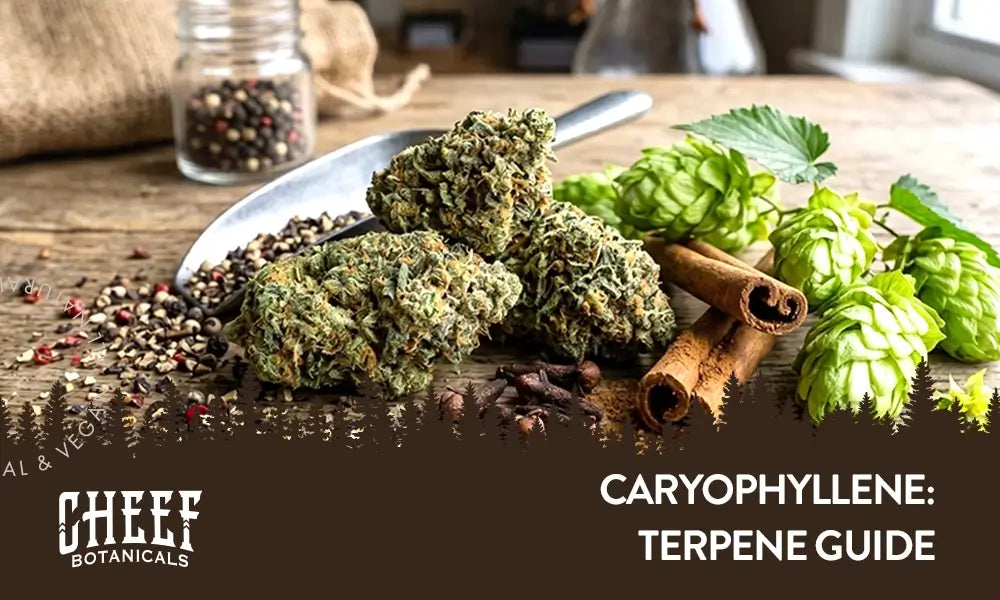
You’ve probably smelled the caryophyllene terpene before without realizing it. It’s the same spicy note found in black pepper and cloves, but it also plays a unique role in cannabis.
Beyond adding flavor, this terpene interacts with your body in a way that sets it apart from the rest. It’s almost like cannabinoids, contributing to a strain’s effects, but with a steady, grounded feel. But what makes it work this way, and why does it matter for your experience? Let’s discuss.
What Are Cannabis Terpenes?

Terpenes are natural aromatic elements found in many plants, including the cannabis plant. These chemical compounds are responsible for each strain's unique scent and flavor, from citrus to spice. Cannabis terpenes also act as a layer that works alongside cannabinoids like CBD and THC.
In the human body, terpenes may interact with scent receptors and influence how a strain feels. That’s why strains like Lifter and Sour Diesel smell so different, even though both come from cannabis.
Terpene Sources and Uses
Terpenes come straight from the natural oils of plants. You’ll find them in fruit rinds, tree bark, hops, and many herbs like rosemary and sage. This natural compound found in plants gives each one its own scent and flavor. These oils form the base of essential oils like limonene.
Because they smell so good, terpenes are used in perfumes, lotions, and cleaning products. They are also valued for their potential therapeutic effects and are often added to wellness blends.
Terpenes vs Terpinoids
You may hear “terpenes” and “terpenoids” used like twins, but they are not the same. Terpenes are fresh compounds that give cannabis strains their own scent. Once exposed to air and light, they oxidize and become terpenoids.
This transformation can influence aroma and how the compound interacts with the human body. For example, caryophyllene oxide forms from caryophyllene during oxidation. It is even used in products like chewing gum and food flavorings, which shows how plant chemistry continues to evolve after harvest.
What Is Caryophyllene?

Caryophyllene, often called beta-caryophyllene (BCP), is among the most common terpenes found in cannabis. This spicy compound is known for its bold, peppery aroma that often reminds people of common kitchen spices like black pepper.
It belongs to a group called sesquiterpenes. That means it has a larger structure than many other known cannabis terpene types like pinene and linalool. What makes it special is its unique ability to interact with cannabinoid receptors in the body, which is uncommon for terpenes.
Its name has an interesting history. There was once alpha caryophyllene, now known as humulene. Both share the same formula but differ in structure, making them isomers. Caryophyllene also contains a cyclobutane ring, a rare feature that influences its behavior. Today, β-caryophyllene is widely recognized for its potential therapeutic benefits, which is why it's present in many cannabis products.
Where Is Caryophyllene Found?
You’ve probably come across caryophyllene more often than you think. It’s found in everyday plants like black pepper, cloves, cinnamon, hops, and cannabis flowers. The hemp plant carries high amounts of it, which is why it’s often used in CBD products. It also appears in food flavorings, cosmetics, and even some cleaning formulas.
In the kitchen, it adds a bold, peppery kick to your recipes. Herbs like oregano, basil, and rosemary contain it too. Black pepper is one of the richest sources. You can even buy plain caryophyllene for cooking. Just keep the heat low, since it starts to lose its aroma around 266°F.
Caryophyllene Extraction Process
Caryophyllene is extracted from hemp using different methods, and some are much cleaner than others. Certain processes rely on solvents like butane, which can be risky and may leave residue behind. A more trusted option uses CO2. In this method, liquid CO2 moves through ground plant material and pulls out cannabinoids, flavonoids, and terpenes. It then evaporates, leaving a clean extract.
This approach is widely used in medical cannabis products because it helps keep the final extract pure and full of beneficial qualities. Caryophyllene plays a major role in aroma and may be linked to anti-inflammatory effects, though research is still ongoing.
What Do Caryophyllene Terpenes Smell & Taste Like?

Caryophyllene has a bold personality that's hard to miss. Think cracked black pepper, warm cloves, a hint of cinnamon, and even a touch of hops. That spicy kick gives certain strains their signature flavor. In food, it adds a sharp, slightly woody taste that lingers just enough to keep things interesting.
The aroma follows the same path. It feels strong, crisp, and a bit tingly in the nose. Still, not all caryophyllene-dominant strains smell alike. Other terpenes can mix in and create musky, sweet, or diesel-like notes. This layered scent can influence how a strain feels overall. It may also be linked to the caryophyllene terpene effects, which are being studied for their potential role in the immune system.
How Caryophyllene Works in the Body
Caryophyllene works in the body in a way that feels a little different from most terpenes. Once you consume it, it connects with the endocannabinoid system (ECS), a network that helps keep key functions like mood, digestion, and immune function in balance. What sets it apart is how it interacts with a cannabinoid receptor known as CB2, which is commonly found outside the central nervous system.
Because of this, it supports the body without creating intoxicating effects. Early research suggests it may also contribute to anti-inflammatory properties. That means it could play a role in easing muscle tension and everyday physical discomfort. This unique, body-focused interaction gives caryophyllene its cannabinoid-like behavior. It continues to spark interest in research exploring its role in pain relief and overall wellness.
What Are the Effects of Caryophyllene?
Caryophyllene is known for its calming, grounded feel that can help ease nervous or uneasy moments. It brings a steady, balanced vibe without the head-heavy experience linked to THC. When paired with clove oil, it may also create a light numbing sensation, which is why it appears in many soothing blends. Beyond scent and flavor, this terpene continues to draw interest for its potential wellness value, though research is still ongoing.
One reason it gets so much attention is how it works with CBD. Both come from hemp and interact with the body’s ECS. Caryophyllene can bind to CB2 receptors found in immune-related tissues. This allows it to support balance without producing intoxicating effects. Together with CBD, it contributes to the entourage effect, creating a more complete experience than either compound alone.
How caryophyllene feels in action:
-
Promotes calm and a steady mindset
Caryophyllene may help ease nervous energy and support a more relaxed state. It interacts with systems that regulate mood signals, which can help you feel more balanced throughout the day. -
Creates a gentle numbing sensation
When combined with clove oil, it can produce a mild numbing effect. This makes it useful in products designed for soothing comfort, especially in topical or aromatic forms. -
Works with CBD for a fuller experience
Caryophyllene and CBD work together to enhance the entourage effect. This pairing may lead to a smoother and more noticeable overall experience. -
May influence appetite without intoxication
Early research, including a 2008 study, suggests it may play a role in appetite regulation. It does this without producing a high, making it suitable for everyday use.
Some people also look into its exploratory role in areas like chronic inflammation and chronic pain. However, more research is needed before drawing clear conclusions.
Popular Cannabis Strains That Have Beta Caryophyllene Terpenes
Beta-caryophyllene brings a bold, peppery kick that adds depth to many CBD strains. At Cheef Botanicals, we offer a wide range of hemp flower options with high levels of this terpene. You’ll often find it in classic, well-loved cultivars, including:
- Lifter
- OG Kush
- Northern Lights
- John Snow CBG Flower
- Bubba Kush
- Tangie
- Sour Space Candy
- Wagyu Kush
- Sour Diesel
- Durban Diesel
- Special Sauce
- Cherry Wine
- Goliath
- Silver Surfer
Each strain carries its own terpene balance, so effects and flavors can vary. Questions? Reach out anytime. Our team is available 6 AM to 6 PM (PST) weekdays and 6 AM to 2 PM weekends.
Why Is Caryophyllene Different from Other Terpenes?
Most terpenes are known for their scent and flavor, but caryophyllene works a bit differently. This unique terpene can interact directly with CB2 receptors in the ECS. These receptors are mainly found in immune-related tissues rather than the brain. That's why it does not produce a high like THC.
This interaction gives caryophyllene a role that feels closer to cannabinoids than typical terpenes. It can help maintain balance in the body while still contributing to aroma and taste. That dual function is rare, and that continues to draw attention in cannabis research. It blends scent, structure, and function in a way few others do.
Final Thoughts - Caryophyllene Terpene
Caryophyllene sits at a rare intersection where flavor meets function in a very real way. Few terpenes can interact with CB2 receptors while still delivering that bold, peppery kick you recognize right away. That mix of structure and sensation gives it a unique place in the cannabis experience, with growing interest in its potential health benefits.
What makes it compelling is how it fits into daily use. You are not chasing intensity here. You are choosing something steady, grounded, and consistent. That kind of experience matters more over time.
If you want to experience it properly, focus on quality. Cheef Botanicals offers premium hemp flower rich in caryophyllene, giving you a clean, flavorful way to enjoy one of cannabis’s most fascinating compounds.

 CBD Gummies - Top Seller
 CBD + THC Gummy - Excellent Choice
 Northern Lights - Highly Rated
 Full Spectrum CBD Oil - Good Value




Leave a comment
This site is protected by hCaptcha and the hCaptcha Privacy Policy and Terms of Service apply.