
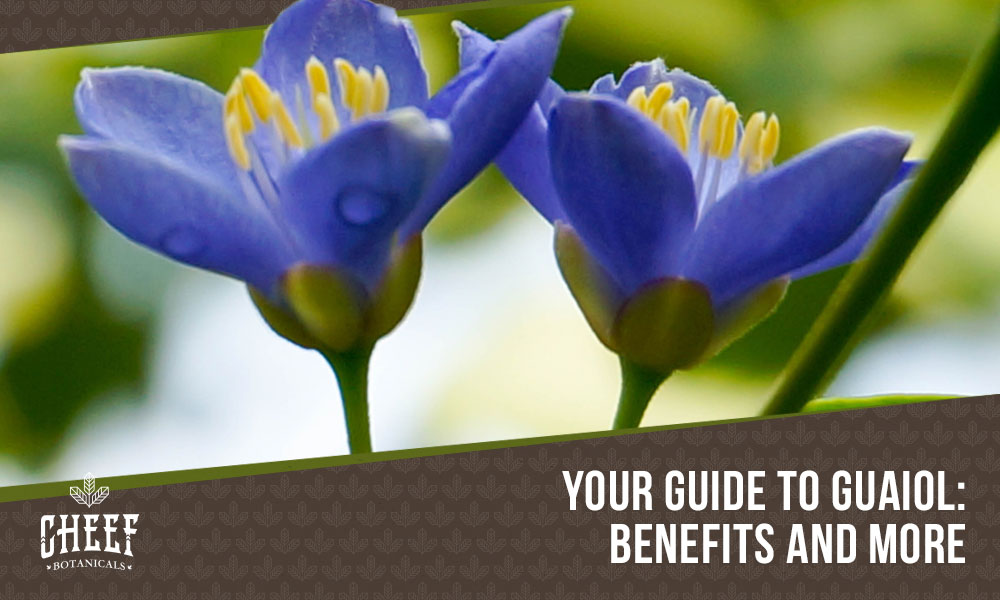
When you use CBD, you’re often experiencing more than just cannabidiol itself. Many hemp products contain a diverse blend of terpenes—including guaiol—that contribute to both aroma and potential effects. You can find guaiol in a wide range of plants, trees, herbs, and spices, including nutmeg, tea tree oil, apples, cumin, ginger, ginseng, and valerian.
Although guaiol is a lesser-known terpene, it delivers a surprisingly powerful sensory and functional profile. With its fruity, piney aroma and promising therapeutic potential, this compound is gaining attention among cannabis enthusiasts and researchers alike. Guaiol is also found in the oily timber of coniferous trees, which contributes to its distinctive pine-like aroma.
What Are Terpenes?

Terpenes are naturally occurring compounds found in cannabis and nearly every plant, fruit, and vegetable on Earth. As a cannabis terpene, guaiol is one of the many compounds responsible for the distinct aromas and flavors we associate with plants—from citrus fruits to pine forests.
In hemp, terpenes do more than provide scent. They may also contribute to the “entourage effect,” a concept suggesting that cannabinoids and terpenes work better together than in isolation. When combined, these compounds may enhance each other’s effects, creating a more balanced experience.
Beyond cannabis, terpenes are widely used in:
- Essential oils
- Skincare and cosmetics
- Cleaning products
- Aromatherapy
Common and Popular Terpenes
While guaiol is unique, it belongs to a broader family of well-known terpenes. Although guaiol is considered a less common terpene, it is still present in most cannabis strains, often in small amounts, and can be found in several well-known strains:
- D-Limonene – Citrus scent; found in lemons and oranges; studied for antibacterial properties
- Myrcene – Earthy and musky; found in herbs like thyme; associated with relaxing effects
- Linalool – Floral lavender aroma; commonly linked to calming properties
- Alpha-Pinene – Fresh pine scent; may support respiratory function
- Nerolidol – Woody and herbal; studied for antifungal and antibacterial potential
What Is Guaiol?

Guaiol is a terpene alcohol—sometimes referred to as champacol—and differs from many terpenes due to its chemical structure. Guaiol is categorized as a sesquiterpene, meaning it is composed of three isoprene units.
Unlike most oil-based terpenes, guaiol has a liquid, alcohol-like composition. Its average boiling point is lower than most terpenes, at approximately 92°C (197.6°F), so low-temperature vaporization is recommended to enjoy its full flavor.
Chemistry and Properties of Guaiol
Guaiol is a fascinating sesquiterpenoid alcohol found in several plants, most notably the tropical guaiacum tree and cypress pine. Unlike most terpenes, which are typically oil-based, guaiol stands out for its unique liquid structure. This difference not only influences its interactions with other compounds but also contributes to its distinctive pine-and-subtle-rose aroma. This scent profile makes it a prized ingredient in essential oils and natural fragrances.
One of guaiol’s defining chemical features is its low boiling point, around 92°C. This means it vaporizes at lower temperatures than many other terpenes, allowing its therapeutic benefits and aromatic qualities to be released quickly and efficiently. As a lesser-known terpene, guaiol is gaining attention for its potential medicinal benefits, particularly its anti-inflammatory, antibacterial, and anti-parasitic properties.
Where Is Guaiol Found?

Guaiol is most commonly found in tropical and woody plants. Some natural sources include:
- Guaiacum (Caribbean wood)
- Guaiacum trees
- Tropical guaiacum plant
- Cypress pine
- Cannabis plants
- Tea tree
- Nutmeg and cumin
- Lilacs and apples
Guaiol is found in the wood of the tropical guaiacum plant, which grows in the Caribbean and other subtropical regions. High concentrations of guaiol can be found in certain cannabis strains such as Royal Gorilla, Sour Diesel, Kali Dog, and Haze Berry. You can find guaiol in a wide variety of plants, including those already listed.
What Does Guaiol Smell and Taste Like?
Guaiol is best known for its fresh, piney aroma, often likened to walking through a forest of evergreens.
What makes it stand out is its subtle complexity:
- Primary scent: Woody and pine-like
- Undertones: Light floral (rose-like) notes
- Flavor profile: Sweet, slightly fruity, and smooth
This combination creates a balanced sensory experience that feels both grounding and refreshing—one reason it’s becoming more popular in CBD products.
Potential Effects and Benefits of Guaiol
Research on guaiol is still developing, but early findings and historical use suggest several promising properties. Users report guaiol terpene effects such as pain relief, relaxation, and mood improvement, especially when combined with other cannabinoids. Guaiol's effects may be enhanced when combined with other cannabinoids and terpenes.
1. Calming and Relaxation Support
Some early studies indicate that guaiol may contribute to reduced stress levels and a calming effect when present in terpene-rich cannabis strains.
2. Anti-Inflammatory Potential
Guaiol has been traditionally used in natural remedies for conditions like:
- Sore throats
- Coughs
- Rheumatism
- Gout
These uses suggest possible anti-inflammatory properties, though more clinical research is needed.
3. Antimicrobial Properties
Preliminary research has explored guaiol’s potential antibacterial and antifungal activity, including its ability to combat Staphylococcus aureus, which causes staph infections, making it relevant for both wellness and topical applications.
Studies also indicate that guaiol can inhibit parasites like Leishmania amazonensis.
4. Historical Medicinal Use
Guaiacum-derived compounds (rich in guaiol) were historically used in Europe as early as the 16th century for various treatments, highlighting their long-standing role in traditional medicine.
5. Emerging Research in Oncology
Some laboratory studies (in vitro and in vivo) suggest guaiol may enhance certain chemotherapy effects, and some studies have explored guaiol's potential to inhibit non-small cell lung cancer cells and regulate genes associated with lung cancer. However, this research is still in its early stages and is not conclusive.
⚠️ Note: These potential benefits are still being studied. Guaiol is not a substitute for medical treatment.
Anti-Parasitic Properties of Guaiol
Recent research has highlighted guaiol’s promising anti-parasitic properties, especially when found in cannabis strains. Studies suggest that guaiol can be effective against certain parasites, such as Leishmania amazonensis, which can cause serious health issues ranging from skin ulcers to potentially life-threatening conditions. This anti-parasitic action adds another layer to guaiol’s therapeutic profile, complementing its well-documented anti-inflammatory and antibacterial effects.
Everyday Uses of Guaiol
Guaiol’s appeal extends far beyond the cannabis plant. Its fresh, piney scent and subtle rose notes make it a popular choice in essential oils, perfumes, and natural fragrances, bringing a touch of the tropics to everyday products. Thanks to its antimicrobial and insect-repelling properties, guaiol is also used in natural insect repellents and eco-friendly pest control solutions, offering a botanical alternative to synthetic chemicals.
Why Guaiol Matters in the Entourage Effect
Guaiol may play a supporting role in the entourage effect by interacting with cannabinoids, such as CBD.
While it doesn’t bind directly to cannabinoid receptors in the same way CBD or THC do, it may:
- Influence mood and relaxation
- Enhance the overall sensory experience
- Complement other terpenes and cannabinoids
This makes guaiol especially valuable in full-spectrum and broad-spectrum CBD products.
Popular CBD Strains That Contain Guaiol

If you’re looking to experience guaiol firsthand, these CBD-rich strains are known to contain it. High concentrations of guaiol are found in well-known strains such as Royal Gorilla, Sour Diesel, Kali Dog, and Haze Berry, making them of particular interest to those interested in guaiol.
Wagyu Kush
Wagyu Kush rare CBD-dominant hybrid with dense buds and a rich flavor profile of berries, pine, and gas. Known for promoting relaxation and end-of-day calm.
Goliath
An aromatic hybrid with earthy pine and fruity notes. Offers a balance between uplifting energy and calming effects depending on dosage.
Tangie
A citrus-forward, sativa-dominant strain that delivers alertness, clarity, and a light, uplifting sensation.
Other CBD Strains With Guaiol
- Agent Orange – Citrus aroma with uplifting, mood-enhancing effects
- Fruit Loops – Sweet, fruity profile with mellow relaxation
- Cinex – Citrus and earthy blend promoting clarity and focus
- Golden Pineapple – Tropical flavor with energizing effects
- Royal Gorilla – Known for easing tension and promoting relaxation
Final Thoughts on the Guaiol Terpene
Guaiol may not be as widely recognized as other terpenes, but it offers a compelling combination of flavor, aroma, and potential benefits.
As research into terpene science continues, guaiol stands out as a promising compound worth paying attention to. Whether you're seeking relaxation, sensory enjoyment, or a more complete entourage effect, this tropical terpene may enhance your everyday CBD experience.
Browse our CBD flower blogs here

 CBD Gummies - Top Seller
 CBD + THC Gummy - Excellent Choice
 Northern Lights - Highly Rated
 Full Spectrum CBD Oil - Good Value



Leave a comment
This site is protected by hCaptcha and the hCaptcha Privacy Policy and Terms of Service apply.