

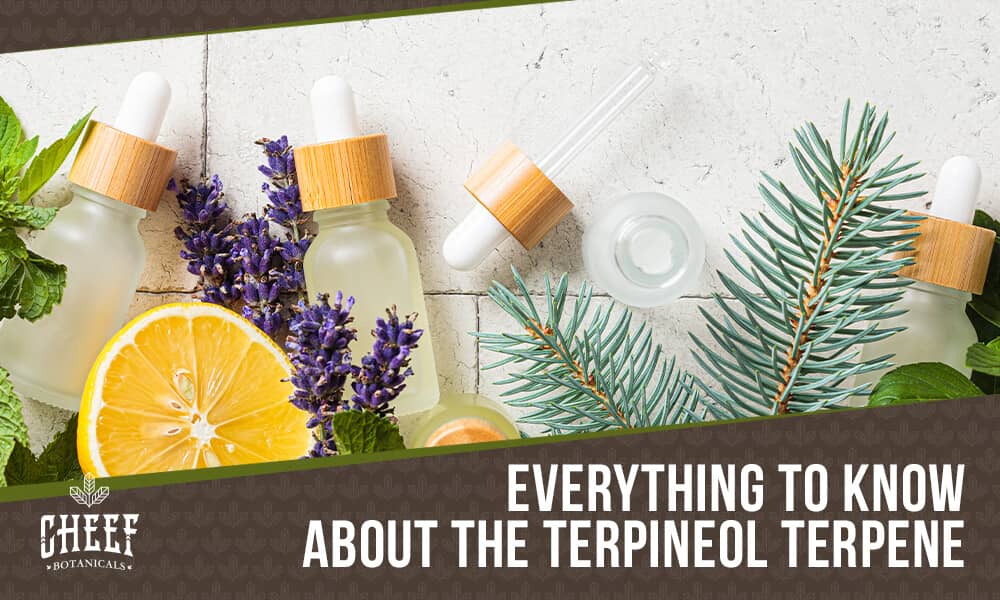
Terpineol is one of the many aromatic terpenes found in over 150 plant species. It is frequently found in a wide variety of plants and is a common terpene in cannabis. As a naturally occurring compound in cannabis, hemp, and various essential oils, terpineol has been appreciated for centuries for both its pleasant scent and potential wellness benefits.
From lilac blossoms to chamomile tea, you’ve likely experienced terpineol’s sweet, floral aroma without even realizing it. Terpineol is known for its pleasant odor, with a light, floral fragrance that hints at lilac, citrus, and sometimes a slight herbal undertone. But beyond its fragrance, this terpene plays a meaningful role in how certain cannabis strains taste and feel.
Let’s explore everything you need to know about terpineol—from its effects and flavor to where it’s found and how it’s used.
Key Highlights
- Terpineol is a naturally occurring terpene found in cannabis, hemp, pine trees, chamomile, and many essential oils, recognized for its sweet floral aroma with citrus, woody, and herbal notes.
- This terpene is commonly associated with calming and relaxing effects and is being studied for its potential antioxidant, anti-inflammatory, and antimicrobial properties, though more research is needed.
- Popular terpineol-rich cannabis strains include Jack Herer, OG Kush, Girl Scout Cookies, Durban Poison, Trainwreck, and Super Lemon Haze, each offering distinctive flavor profiles and terpene combinations.
- To preserve terpineol's aroma and potency, store cannabis products in airtight containers away from heat, light, humidity, and excess air exposure.
What Are Terpenes?
Terpenes are natural compounds responsible for the aroma and flavor of plants. Found in nearly every plant species, they contribute to the distinct scents of flowers, fruits, herbs, and cannabis strains.
In nature, terpenes may act as a plant’s defense system—helping repel predators or attract pollinators. For humans, they offer much more than scent. Terpenes are widely used in:
- Aromatherapy
- Cosmetics and skincare
- Food flavoring
- Cleaning and wellness products
In cannabis, terpenes do more than influence taste and smell—they may also contribute to the plant’s overall effects through what’s often called the “entourage effect.” Terpenes like terpineol interact with the body's endocannabinoid system, which helps regulate mood, pain, and other physiological processes, and this interaction may contribute to the entourage effect.
Some terpenes are being studied for their potential to support relaxation, mood balance, and overall well-being.
What Is Terpineol?
Terpineol is a terpene known for its floral, citrusy, and slightly woody aroma. Unlike many terpenes that exist as a single compound, terpineol refers to any mixture of four monoterpene alcohol isomers: alpha-terpineol, beta-terpineol, gamma-terpineol, and terpinen-4-ol.
Alpha-terpineol (α-terpineol) is the most common and well-studied form of terpineol. It’s largely responsible for the terpene’s recognizable floral scent. Early research suggests alpha-terpineol may offer several potential benefits, including:
- Antioxidant activity
- Anti-inflammatory properties
- Possible antimicrobial effects
Chemistry of Terpineol
Terpineol is classified as a terpene alcohol, specifically a monoterpene alcohol isomer, with the chemical formula C10H18O. What makes terpineol particularly interesting is that it exists in four different isomeric forms: alpha-terpineol (α-terpineol), beta-terpineol (β-terpineol), gamma-terpineol (γ-terpineol), and terpinen-4-ol. Among these, alpha-terpineol is the most common isomer in cannabis plants and is also prevalent in other aromatic plants.
The defining feature of terpineol’s chemical structure is the presence of a hydroxyl group, which distinguishes it from other terpenes and contributes to its unique properties. This structural difference not only influences the terpineol smell—often described as floral, woodsy, or pine-like—but also affects its potential therapeutic benefits. Each isomer, including β-terpineol and γ-terpineol, may offer slightly different effects and aromas, adding to the complexity of terpineol-rich strains.
Where Is Terpineol Found?

Terpineol occurs naturally in a wide range of plants and essential oils. Common sources include:
- Pine trees
- Cajuput oil
- Petitgrain oil
- Chamomile
- Lime blossoms
- Cannabis and hemp
Terpineol is present in most cannabis strains, typically ranging from 0.04% to 0.29%. High-terpineol strains include Jack Herer, White Widow, Girl Scout Cookies, and OG Kush. These terpineol strains are valued for their distinctive aroma and calming, relaxing effects.
If you’ve ever enjoyed chamomile tea before bed, terpineol—alongside other terpenes like linalool—may contribute to its calming aroma.
Beyond plants, terpineol is also widely used in:
- Perfumes and fragrances
- Skincare and cosmetics
- Household cleaners
- Food flavoring
Its scent can vary depending on the isomer combination, making it a versatile ingredient across industries.
How Is Terpineol Extracted?
Terpineol can be extracted from plant material using several methods. The two most common and effective techniques are steam distillation and CO₂ extraction.
Steam Distillation
This traditional method involves passing steam through plant material (such as pine). The heat releases terpene compounds, which are then cooled and condensed into liquid form. The oil separates from the water and is collected.
CO₂ Extraction
CO₂ extraction is considered one of the safest and cleanest modern methods. In this process:
- Pressurized carbon dioxide passes through plant material
- It pulls out cannabinoids, terpenes, and other compounds
- The CO₂ evaporates cleanly, leaving no harmful residue
What Does Terpineol Smell and Taste Like?

Terpineol is known for its complex and pleasant aroma. Depending on its composition, it may smell like:
- Floral (similar to lilac)
- Piney or woody
- Citrusy or fruity
- Minty or slightly herbal
- Sweet aromas
- Fresh herbs
- Freshly cut wood
The flavor of terpineol is mild yet pleasant, combining floral sweetness with faint citrus and herbal notes.
Alpha-terpineol, in particular, often carries a lilac-like scent with hints of lime and freshness. Beta-terpineol has a woodsy scent.
What Are the Effects of Terpineol?
Terpineol is a common terpene commonly associated with calming and relaxing effects. Many people prefer it in the evening or during moments of rest, though it may also help promote a balanced mood during the day. As a common terpene found in various cannabis strains, terpineol contributes to the plant's distinctive aroma and is known for its association with relaxation, sleep support, and calming effects.
Potential effects include:
- Relaxation and stress relief
- Mood support
- Mild sedative qualities
- Mental clarity when combined with other compounds
Emerging research is also exploring its potential role in:
- Reducing inflammation
- Supporting respiratory function
- Influencing cell activity
However, these findings are still under investigation and should not be considered medical claims.
Additional Benefits of Terpineol
One of terpineol’s most valuable characteristics is its versatility. As a terpene alcohol, it offers several unique advantages:
- Improved skin absorption: Often used in topical formulations. When applying terpineol topically, it should be diluted with a carrier oil, such as coconut, jojoba, or almond oil, to prevent irritation. Pure or undiluted terpineol can cause skin irritation, redness, or allergic reactions.
- Antimicrobial properties: May help combat certain bacteria
- Gentle on skin: Less likely to irritate compared to other compounds when properly diluted
Terpineol exhibits calming and anti-inflammatory properties, helping modulate the body's inflammatory response. It is often added to cosmetic products for its refreshing fragrance and potential skin-soothing properties.
Some studies also suggest that alpha-terpineol may have antioxidant properties comparable to those of certain commercial antioxidants, making it a promising ingredient in skincare and wellness products.
Uses of Terpineol
Terpineol’s versatility extends far beyond its role in cannabis, making it a sought-after ingredient in a variety of industries. In cosmetics, terpineol is prized for its pleasant scent and gentle, skin-soothing qualities, which is why it’s commonly found in lotions, creams, and other skincare products. Its antimicrobial and anti-inflammatory properties also make it a valuable addition to formulations designed for wound healing and skin protection.
In the pharmaceutical world, terpineol is being explored for its potential therapeutic benefits, including anti-inflammatory, antioxidant, and antiproliferative effects. These properties are of particular interest in the development of new treatments and wellness products.
The food industry also takes advantage of terpineol’s sweet, earthy flavors, using it as a flavoring agent in beverages, baked goods, and other food products. Its ability to enhance both aroma and taste makes it a popular choice for adding depth to food products.
Popular Cannabis Strains Rich in Terpineol

Terpineol is typically found in lower amounts than dominant terpenes like myrcene or limonene, but it still contributes to the overall profile of many well-known strains.
Here are some popular examples:
Jack Herer
A sativa-dominant hybrid known for its pine and citrus flavor. Effects are often described as uplifting, creative, and social.
OG Kush
A classic indica-dominant strain with earthy, fuel-like notes. Known for its relaxing and euphoric effects.
Girl Scout Cookies (GSC)
A potent hybrid with sweet and earthy flavors. Offers a mix of physical relaxation and mental uplift.
Trainwreck
A fast-acting sativa-dominant strain with lemon and spice notes, often associated with energizing effects.
Durban Poison
A pure sativa with a sweet, herbal flavor and a reputation for focus and productivity.
Super Lemon Haze
A citrus-forward strain known for its vibrant, mood-boosting effects and daytime usability.
How to Preserve Terpineol and Other Terpenes
Proper storage is essential to maintain terpene potency and flavor. Terpenes are sensitive to environmental conditions and can degrade over time.
To preserve them:
- Store products in a cool, dark place
- Avoid heat, light, and humidity
- Use airtight containers
- Limit exposure to oxygen
Refrigeration can help extend terpene life, though some products may thicken and require time to return to room temperature before use.
Final Thoughts on Terpineol
Terpineol is a fascinating terpene that brings together aroma, flavor, and potential wellness benefits. From its floral scent to its calming effects, it plays an important role in shaping the experience of many cannabis and hemp products.
While it can be enjoyed on its own, terpineol truly shines when combined with cannabinoids like CBD or THCa. Exploring different strains and terpene profiles can help you discover what works best for your preferences and lifestyle.
Check out more CBD Flower Guides here

 CBD Gummies - Top Seller
 CBD + THC Gummy - Excellent Choice
 Northern Lights - Highly Rated
 Full Spectrum CBD Oil - Good Value



Leave a comment
This site is protected by hCaptcha and the hCaptcha Privacy Policy and Terms of Service apply.