
TAC vs THC compares two numbers commonly found on cannabis labels. THC shows the product’s THC content, while TAC reflects a broader total of cannabinoids. Neither number can predict exactly how a product will feel, but both offer clues that can help you shop more easily. Below, we’ll break down what each term means and show you what to look for when choosing flower and other cannabis products.
Key Highlights
- THC is one cannabinoid, while TAC combines several cannabinoids.
- TAC usually includes THC, so its number is often higher.
- TAC and total THC are not the same measurement.
- High TAC does not always mean a stronger high or better product.
- Check the cannabinoid panel, terpenes, serving size, and lab report.
What Is TAC?
So, what is TAC in weed or cannabis products? TAC stands for total active cannabinoids, the combined amount of cannabinoids a lab measures or calculates in a product. In simple terms, TAC means one summary figure for THC, CBD, CBG, CBC, CBN, and several minor cannabinoids.
Understanding TAC takes one extra step: checking the Certificate of Analysis (COA). Since labs may calculate TAC differently, review the testing notes to see what the total includes.
What Is THC?

THC, short for tetrahydrocannabinol, usually refers to Delta-9 THC. It is the main intoxicating cannabinoid in the cannabis plant. It binds mostly to CB1 receptors in the human body’s endocannabinoid system (ECS).
THC percentage gives a useful potency guide but cannot predict your experience. Serving size and product format influence its mind-altering effects. Your tolerance and metabolism also play a role.
Key Differences Between TAC and THC
TAC measures total cannabinoids, while THC measures only tetrahydrocannabinol. THC is a single compound, but TAC groups various cannabinoids into a broader cannabinoid profile.
Here's a closer look:
- THC helps estimate possible intoxicating strength.
- TAC shows the product’s wider cannabinoid makeup.
- THC is normally part of TAC.
- TAC excludes terpenes and does not prove product quality.
These key differences show how TAC and THC answer related but different questions.
Is TAC the Same as Total THC?
No. Total THC and TAC are separate measurements. Total THC usually combines Delta-9 THC content with the potential THC available from THCa.
For a particular cannabis product, TAC covers a broader range of cannabinoids, not only THC and its acidic precursor. Labs may define or calculate TAC differently. Again, check the COA because similar wording on cannabis labels may not represent identical calculations across reports.
How Laboratories Calculate TAC
Labs begin by measuring individual cannabinoids in the sample. Some reporting methods apply conversion factors to acidic cannabinoids before adding the results. This calculation can help describe a cannabis product's potency.
Potential total THC commonly follows this formula:
Total THC = Delta 9 THC + (THCa × 0.877)
The 0.877 factor accounts for weight lost when heat converts THCa into its active form. Because TAC methods can vary, use the calculation stated on the matching batch-specific laboratory COA.
How to Read TAC and THC on a Cannabis Label or COA
A good lab report gives you more than one flashy percentage. Use this quick checklist to understand cannabis product labels:
- Match the COA batch number to the package.
- Look for Delta-9 THC, THCa, and total THC.
- Locate TAC or the full cannabinoid panel.
- Check whether results use percentages, milligrams, or both.
- Review terpene and contaminant results separately.
The detailed breakdown gives a more complete picture than the headline TAC number alone.
Does TAC Get You High?
Still wondering, "Does TAC make you high?" The answer is no, not by itself. TAC is simply a measurement that shows the total amount of certain cannabinoids in a product.
Whether the product causes a high depends on which cannabinoids make up that total. A high amount of THC may produce intense effects, while CBD does not cause intoxicating effects. Raw THCa is also non-intoxicating, but heat converts it into THC.
How THC Contributes to Psychoactive Effects
THC, or tetrahydrocannabinol, drives most psychoactive effects in many cannabis products. It binds to receptors in the ECS, which helps regulate mood and memory. This compound can also alter coordination and your sense of time. Perception may feel different, too.
Some cannabis consumers report relaxation or appetite stimulation, though responses vary. Higher THC levels may suggest greater intensity, but they cannot promise a certain experience. The amount consumed and your tolerance affect the outcome.
How Other Cannabinoids Contribute to TAC
TAC can combine common cannabinoids with different effects. The mix may include THC and CBD plus other compounds:
- Delta-8 THC: Intoxicating, but often described as milder than Delta-9 THC.
- THCa: Non-intoxicating in its raw form. Heat converts it mainly into Delta-9 THC.
- CBD: Generally non-intoxicating and may raise TAC without increasing the high.
- CBG and CBC: Generally non-intoxicating cannabinoids often found in smaller amounts.
- CBN: Usually mildly intoxicating at most. Consumers connect it with evening use, but research is limited.
- Delta-9 THC: The primary psychoactive compound in cannabis products. Its intensity varies with product potency and serving size.
These different cannabinoids explain why equal THC levels can feel different. A higher THC ratio may point to stronger intoxication. Researchers call this proposed influence the entourage effect, but evidence cannot predict each experience.
Why Terpenes Are Not Included in TAC
Terpenes are aromatic compounds, not cannabinoids. They do not count toward total cannabinoid content or TAC. TAC tracks cannabinoids alone.
Terpenes add aroma and flavor to each strain. They may also affect how people perceive it. Check terpene results separately because TAC does not show the full chemical makeup.
TAC vs THC Comparison Chart
Placing the two numbers side by side makes their roles clearer. Use this THC vs TAC comparison chart to see what each value measures and what it means:
|
Feature |
THC |
TAC |
|---|---|---|
|
What it measures |
One cannabinoid |
Combined cannabinoid measurement |
|
Includes THC? |
It is THC |
Usually yes |
|
Best use |
Estimating intoxicating potential |
Viewing overall cannabinoid makeup |
|
Includes terpenes? |
No |
No |
|
Proves quality? |
No |
No |
Which Matters More: TAC or THC?
Neither number is always more useful. The better one to focus on depends on what you want to know. THC gives a better estimate of possible intoxication. TAC adds context about overall cannabinoid content.
Check both TAC and THC beside the individual cannabinoid panel. It shows whether THC dominates the total or multiple cannabinoids contribute. Neither number alone can predict a balanced effect.
When a High TAC Can Be Useful—or Misleading
Within the cannabis industry, a high TAC percentage can help compare measured cannabinoid totals. It cannot show cannabinoid balance. One compound may dominate instead of a diverse cannabinoid profile.
A high TAC value does not prove stronger intoxication or better flavor. It cannot confirm greater purity or improved safety. It also cannot confirm therapeutic benefits. Those claims need more evidence than one package percentage.
Choosing a Cannabis Product Using TAC and THC
Start with THC or total THC to estimate possible intoxicating strength. Then read TAC and the cannabinoid breakdown for broader context.
Also review:
- Product format and serving size
- Personal tolerance and experience
- Terpene profile and other active ingredients
- Batch-specific potency
- Contaminant results
Similar THC can still create a different cannabis experience. These other factors lead to more informed decisions.
Explore Cheef Botanicals Products by Cannabinoid Profile

Cheef Botanicals makes cannabinoid profile comparisons simple. Browse edibles or flower, then consider THC concentrates for another format. Read the current product details before choosing. Check the matching batch-specific lab results, too. That quick review helps you choose based on your preferences and experience.
THC Edibles
Our THC edibles pair flavor and convenience with pre-measured servings. Their gradual onset supports a more controlled buzz, though patience is key.
- Delta-8 Gummy Cubes. These gummies offer smooth, uplifting effects and simple serving sizes for new and experienced consumers.
- Mixed Berry Delta-8 THC Gummies. Berry flavor meets a relaxed, clear-headed experience.
- Delta-9 Gummy Cubes. Delta-9 THC joins CBC, CBG, and CBN for a varied cannabinoid profile.
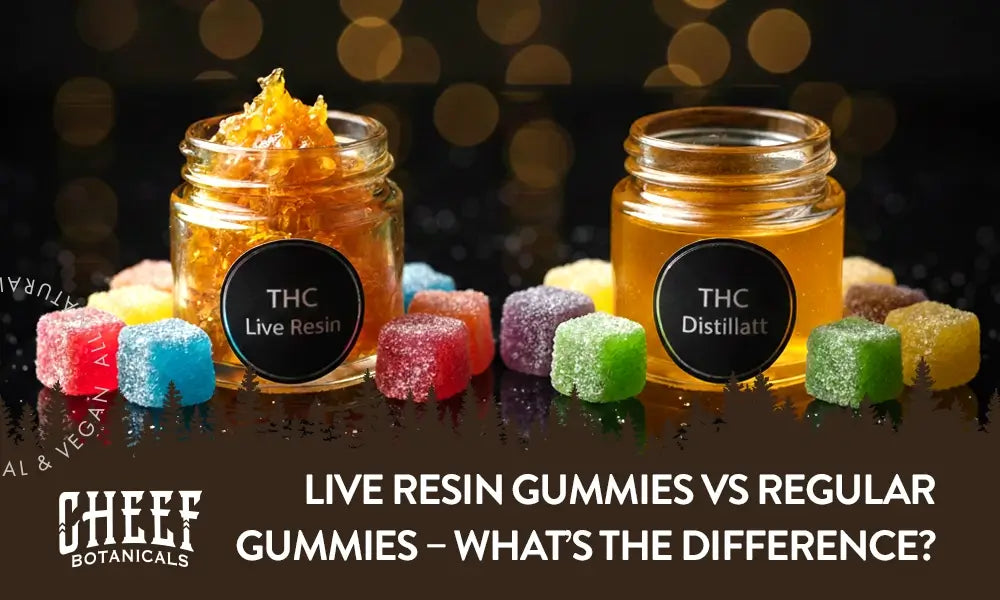
- Delta-9 THC Live Resin Gummies. Fresh-flower live resin preserves aromatic compounds for a rich, longer-lasting experience.
THCa Flower and Concentrates
Cheef Botanicals gives you two flavorful ways to enjoy high-THCa products. Keep it classic with aromatic flower, or turn up the intensity with rich, potent concentrates.
High-THCa Flower
- Gelato (Hybrid): Offers smooth balance and mellow calm.
- Grape Frosty (Indica): Pairs layered flavor with deep relaxation.
- Sex Panther (Sativa): Keeps the mood bright and mentally engaging.
- Mac 1 (Hybrid): Blends uplifting energy with gentle ease.
- Ice Cream Cookies (Indica): Brings dessert-like notes and a soothing finish.
THCa Concentrates
- THCa Diamonds (Live Resin): These potent crystals exceed 80% THCa and bring serious sparkle to the setup.
- Lemon Cherry Gelato THCa Live Rosin: This solventless concentrate layers sweet cherry with bright citrus for a smooth, vibrant experience.
Frequently Asked Questions
Does TAC include CBD?
Usually, yes, if the lab detects CBD and includes it in the calculation.
Does TAC include terpenes?
No. Terpenes are not cannabinoids, so labs list them separately.
Can a product have high TAC but moderate THC?
Yes. CBD, CBG, CBC, CBN, and other cannabinoids can raise TAC without the same intoxicating strength. That total still cannot prove therapeutic effects.
Where can I find TAC?
Check the product label, cannabinoid panel, QR code, or batch-specific COA. On some laboratory reports, TAC can refer to total aerobic count, a microbial test. Read the surrounding section to identify the intended meaning.
Why is TAC usually higher than THC?
TAC is usually higher because THC represents only one part of the total. TAC adds THC to other cannabinoids included by the lab. A small gap may mean THC dominates the profile. A larger gap may indicate more non-THC cannabinoids. Neither result is better by default. It only reveals more about the product’s makeup.
Final Thoughts on TAC vs THC
THC helps estimate intoxicating strength, while TAC gives broader cannabinoid context. Read the full cannabinoid panel and terpene results for a clearer view. Then check the format, serving size, and batch-specific COA.
Cheef Botanicals makes current product details and lab results easy to review. Compare your options and start conservatively. Rules for legal weed vary by location, so confirm local laws before choosing a format for your experience level.
Read Next: THC Drinks vs Edibles: Which One Is Right for You?


Leave a comment
This site is protected by hCaptcha and the hCaptcha Privacy Policy and Terms of Service apply.