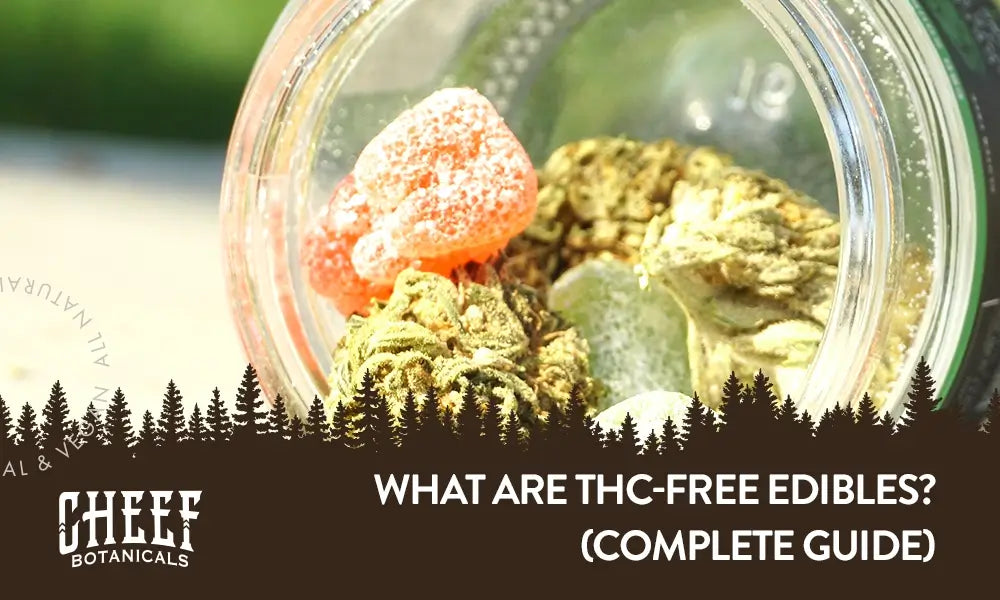
THC-free edibles are ingestible hemp-derived products whose third-party lab results show no detectable THC at or above the laboratory's reporting threshold. Popular options include CBD gummies and other cannabinoid edibles that offer a way to enjoy CBD without THC's intoxicating effects.
But how can shoppers tell which products truly meet THC-free standards? It starts with understanding their ingredients, labels, and lab results.
What Does THC-Free Mean in an Edible?
THC-free edibles are hemp-derived products whose third-party lab results show no detectable THC at or above the laboratory's reporting threshold. A Certificate of Analysis (COA) confirms this status using ND (non-detect), although detection limits vary between laboratories.
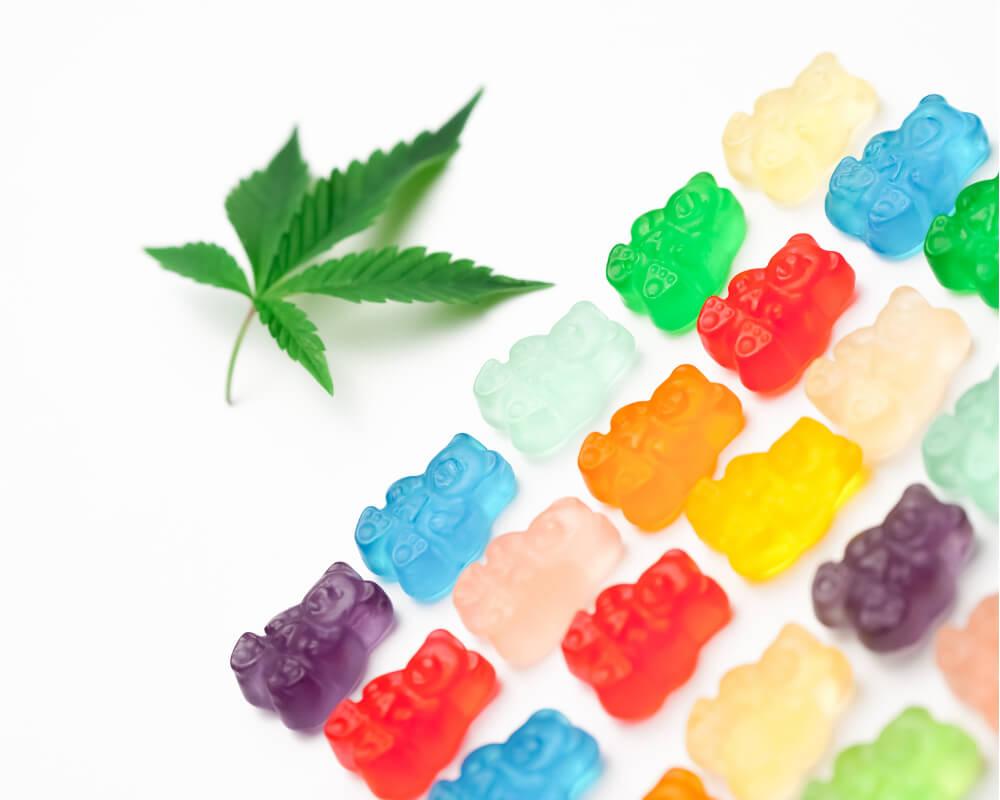
Shoppers looking for edibles without THC should check batch-specific lab results rather than relying solely on front-label claims. This helps verify that THC-free edibles meet the stated testing standards.
What Does ND Mean on a Certificate of Analysis?
ND means "non-detect" or "not detected" on a Certificate of Analysis (COA). It indicates that laboratory testing found no THC at or above the lab's reporting threshold. However, ND does not prove that an edible contains absolutely zero THC molecules, as detection limits vary between laboratories. Shoppers should also confirm that the COA's batch number matches the actual product to verify its THC-free status.
How Are THC-Free Edibles Different From Regular THC Edibles?
THC-free edibles and regular THC edibles mainly differ in their THC content and potential effects. THC-free edibles have third-party lab results showing no detectable THC at or above the laboratory's reporting threshold. They typically contain CBD or other non-intoxicating cannabinoids, so consumers should not expect THC-driven euphoric effects.
Regular THC edibles contain measurable amounts of tetrahydrocannabinol (THC), the primary intoxicating compound in cannabis. These products may produce euphoric or intoxicating effects depending on the THC content, serving size, and individual tolerance.
What Types of THC-Free Edibles Are Available?
THC-free edibles come in several forms, including gummies, chocolates, and other ingestible cannabinoid products. These options typically contain CBD or other hemp-derived cannabinoids, with third-party lab results confirming non-detectable THC levels.
Common types include:
- CBD Gummies: Flavored edibles with pre-measured CBD servings.
- CBD + CBN Gummies: Combine CBD and CBN in one edible, often marketed for evening wellness routines.
- CBD Chocolates: Chocolate-based treats infused with CBD.
- Cannabinoid Chews: Soft, chewable edibles containing CBD or additional cannabinoids.
- Other CBD Edibles: Ingestible options such as mints and infused snacks.
THC-free CBD gummies are among the most common formats because they offer convenient, pre-measured servings. Shoppers can also compare CBD content per gummy to find a strength that suits their preferences.
Related Post: Are THC-Free CBD Gummies Effective?
Are THC-Free Edibles the Same as CBD Edibles?
THC-free edibles and CBD edibles are not necessarily the same. A CBD edible contains cannabidiol (CBD) as its featured cannabinoid, while a THC-free edible has lab results showing no detectable THC.
For example, full-spectrum CBD gummies may contain measurable trace amounts of THC alongside other cannabinoids. In contrast, CBD isolate or broad-spectrum CBD gummies may qualify as THC-free when third-party lab testing reports THC as ND (non-detect).
THC-Free Edibles vs Full-Spectrum Edibles
THC-free edibles and full-spectrum edibles differ in their cannabinoid profiles and tested THC levels. Full-spectrum CBD products retain a wider range of compounds from the hemp plant, including CBD, other cannabinoids, and terpenes. They may contain trace amounts of THC, although some finished products can still test ND (non-detect) depending on THC concentration and the laboratory's reporting threshold.
The key distinction is that spectrum type describes a product's cannabinoid profile, while THC-free describes the finished product's tested THC status. A full-spectrum edible can qualify as THC-free when its applicable third-party lab results report no detectable THC.
THC-Free Edibles vs Broad-Spectrum Edibles
Broad-spectrum edibles contain CBD alongside other cannabinoids and compounds from the hemp plant. Manufacturers typically remove or reduce THC during processing, but only lab testing can confirm non-detectable THC levels.
Broad-spectrum describes the product's cannabinoid profile, while THC-free refers to its tested THC status. Broad-spectrum CBD gummies can qualify as THC-free when their applicable third-party lab results report ND (non-detect), but the terms are not interchangeable.
THC-Free Edibles vs CBD Isolate Edibles
CBD isolate edibles contain primarily purified cannabidiol (CBD), with most other cannabinoids and hemp compounds removed. Unlike broad-spectrum CBD edibles, which retain additional cannabinoids, isolate-based products focus on delivering CBD alone.
The main differences include:
- CBD Isolate Edibles: Contain primarily pure CBD with minimal other hemp compounds.
- Broad-Spectrum Edibles: Combine CBD with additional cannabinoids while typically removing THC during processing.
- THC-Free Edibles: Have applicable third-party lab results showing no detectable THC at or above the laboratory's reporting threshold.
Both CBD isolate and broad-spectrum edibles can qualify as THC-free when their Certificates of Analysis (COAs) confirm non-detectable THC levels.
Why Do Some People Choose THC-Free Edibles?
Some people choose THC-free edibles to enjoy CBD while avoiding measurable THC and its intoxicating effects. These products also appeal to consumers who value convenience and transparency in their wellness routines.
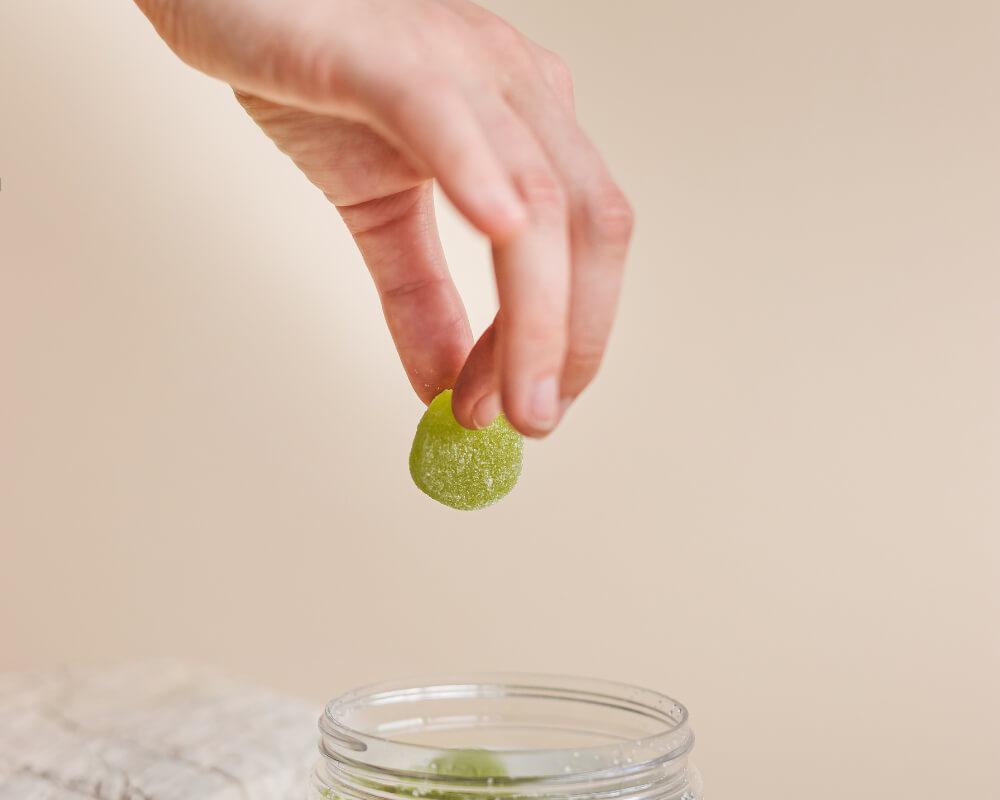
Common reasons include:
- Avoiding THC: Prefer products with no detectable THC in laboratory results.
- Non-Intoxicating Experience: Enjoy CBD without expecting THC-driven euphoria.
- Personal or Professional Preferences: Limit THC exposure due to lifestyle choices or workplace policies.
- Consistent Servings: Get a clearly measured amount of CBD in each edible.
- Verified THC Status: Access batch-specific third-party lab reports that confirm cannabinoid content.
However, THC-free edibles cannot guarantee a negative drug test, even when laboratory results report no detectable THC.
Related Post: Should I Take CBD With THC or Without it? [Pros & Cons]
Do THC-Free Edibles Make You Feel Euphoric?
THC-free edibles generally do not cause the euphoric high associated with THC. CBD itself is non-intoxicating, and products with no detectable THC should not produce THC-driven euphoria. However, individual experiences may vary depending on the serving size, additional cannabinoids, and other ingredients in the formulation.
Can THC-Free Edibles Show Up on a Drug Test?
Yes, THC-free edibles may still lead to a positive drug test, although the risk may be lower than with THC-containing products. An ND (non-detect) lab result does not guarantee absolute zero THC, and drug tests vary in sensitivity.
Repeated consumption may increase the risk of THC exposure, while mislabeled or contaminated products can create additional concerns. Even with third-party lab testing, no cannabinoid product can guarantee a negative drug test.
How Do You Know an Edible Is Really THC-Free?
To confirm that an edible is truly THC-free, check its third-party Certificate of Analysis (COA) rather than relying on product labels alone. A current, batch-specific COA provides laboratory results that help verify the product's THC status.
Here's what to check:
- Product COA: Look for an accessible third-party laboratory report.
- Delta-9 THC: Confirm that the lab reports no detectable amounts.
- THCa: Check for this THC precursor in the cannabinoid results.
- Total THC: Look for an ND (non-detect) result.
- ND Designation: Review the laboratory's detection and reporting thresholds.
- Batch Number: Match the COA to the edible's actual production batch.
- Testing Date: Check that the results apply to the current batch.
- Lab Name: Verify that an identifiable independent laboratory performed the testing.
A product's COA provides stronger evidence than a THC-free marketing claim. However, non-detectable results do not prove the absolute absence of THC molecules.
Why Batch-Specific COAs Matter
Cannabinoid levels can vary between production batches, so batch-specific Certificates of Analysis (COAs) help shoppers verify the THC content of their actual product. Before purchasing, match the product's batch number to the COA, check the testing date, and review the cannabinoid panel for Delta-9 THC, THCa, and Total THC. These details provide more reliable evidence of THC-free status than outdated or generic laboratory reports.
What To Look for When Buying THC-Free Edibles
When buying THC-free edibles, prioritize verified THC levels, clear ingredient labels, and accurate cannabinoid content. Consider these factors before making a purchase:
- THC Status: Confirm that the current COA reports no detectable THC.
- CBD Content: Check how much CBD or other cannabinoids each serving contains.
- Serving Count: Review the total number of servings per package.
- Ingredient Transparency: Look for a complete list of ingredients, including sweeteners and allergens.
- Third-Party Testing: Choose products with accessible, batch-specific lab results.
- Flavor: Select flavors that match your taste preferences.
- Artificial Ingredients: Check for artificial colors, flavors, and preservatives.
- Intended Use: Consider how the product fits into your daily wellness routine.
- Spectrum Type: Identify the edible as CBD isolate, broad-spectrum, or full-spectrum.
These factors help shoppers compare THC-free edibles based on verified information rather than marketing claims.
THC-Free CBD Gummies From Cheef Botanicals
At Cheef Botanicals, we offer THC-free CBD gummies in different strengths and formulations to suit individual preferences and wellness routines. Our THC-Free CBD Gummies collection includes CBD-focused options and gummies that combine CBD with other cannabinoids.

Our current selection includes:
- 25 mg CBD Gummies: A lower-strength option with a pre-measured 25 mg CBD serving per gummy.
- 50 mg CBD Gummies: A mid-range option for consumers who prefer a higher CBD concentration.
- 100 mg CBD Gummies: Our highest-strength option in this collection, delivering 100 mg CBD per gummy.
- CBD + CBN Gummies for Sleep: An evening-focused formula that combines CBD and CBN for consumers looking to incorporate cannabinoids into their nighttime routine.
We prioritize accurate labeling and transparent lab testing. Our qualifying THC-free gummy batches have third-party Certificates of Analysis (COAs) that report Total THC as ND (non-detect).
These results help shoppers verify THC status before purchasing, rather than relying on front-label claims alone. Our gummies offer convenient, pre-measured servings for consumers who prefer CBD edibles without detectable THC.
Are THC-Free Gummies the Most Common THC-Free Edible?
THC-free CBD gummies are among the most common THC-free edible formats because they offer convenience, consistent servings, and enjoyable flavors. Their familiar format also makes them easy to incorporate into everyday wellness routines.
Several features make gummies a popular choice:
- Easy Servings: Each gummy contains a pre-measured amount of CBD.
- Portability: Compact and convenient for travel or daily use.
- Flavor Options: Available in different flavors to suit individual tastes.
- Consistent Format: Each gummy provides a standardized serving.
- Multiple Strengths: Different CBD concentrations accommodate varying preferences.
- Easy Comparison: Clear CBD content per gummy helps shoppers compare products.
Are THC-Free Edibles the Same as “Zero THC” Edibles?
THC-free edibles and "zero THC" edibles often refer to the same product category, but the terms have different implications. "Zero THC" suggests the complete chemical absence of THC, which laboratory testing cannot necessarily prove. A more accurate description is "no detectable THC on the current third-party COA."
This testing-based wording reflects the laboratory's reporting threshold and helps shoppers understand THC-free claims. Cheef Botanicals should use this phrasing consistently to maintain transparency and avoid misleading claims.
What Are THC-Free Edibles? The Bottom Line
THC-free edibles are ingestible cannabinoid products whose applicable third-party Certificates of Analysis (COAs) report no detectable THC. They come in various formulations, including CBD isolate and broad-spectrum options, with gummies among the most common formats. Always check current, batch-specific lab results to verify THC status.



Leave a comment
This site is protected by hCaptcha and the hCaptcha Privacy Policy and Terms of Service apply.