

How long does THCa stay in your system? It’s not a one-size-fits-all answer! Factors like your body’s chemistry, how often you consume THCa, whether you’re using raw or heated forms, and your body composition all come into play.
Curious about how this all works? Read on to explore the ins and outs of how cannabinoids interact with your body, including how they are metabolized and stored in body fat. Keep reading as we explore the differences between raw THCa and its heated conversion into THC, and shed light on how drug tests like urine, saliva, and hair screens detect these compounds.
What Is THCa?

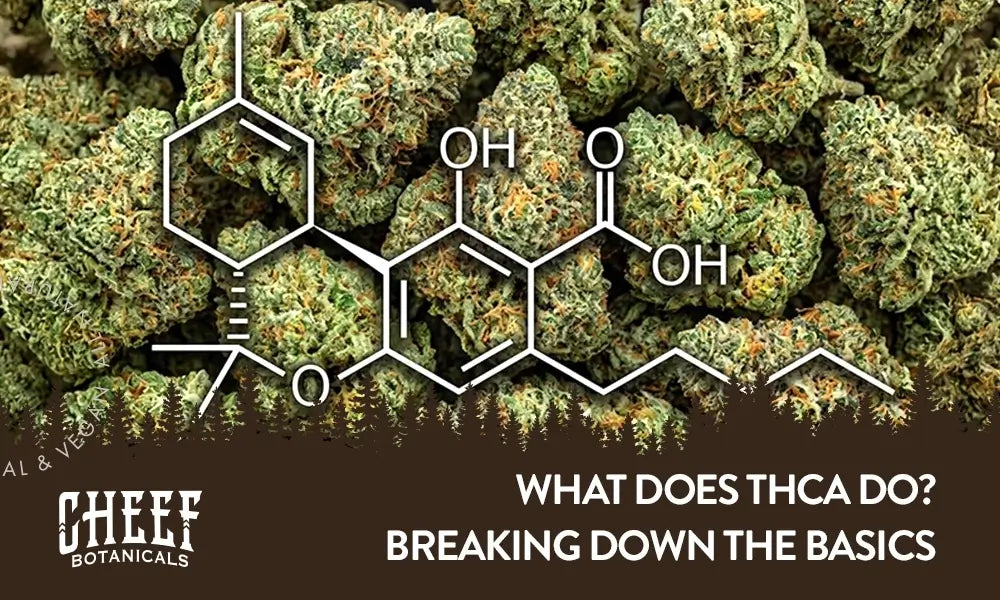
THCa, short for tetrahydrocannabinolic acid, is a naturally occurring compound found in raw cannabis. Unlike THC, which is known for producing psychoactive sensations, THCa remains non-psychoactive in its raw form and lacks psychoactive properties. This means consuming raw cannabis or herbal supplements containing THCa won’t lead to altered perceptions or a “high.”
However, the story changes when THCa is heated. THCa converts into THC, the psychoactive compound, through a process known as decarboxylation. This transformation plays a key role in how your body processes THCa and how long it stays in your system.
How THCa Differs From THC
THCa and THC might seem similar, but they’re fundamentally different in how they interact with your body. THCa is found in raw cannabis and remains non-psychoactive, meaning it doesn’t produce the elevated or euphoric effects associated with THC. In contrast, THC, or tetrahydrocannabinol, is the compound that delivers those well-known intoxicating effects.
Is THCa Psychoactive?
No, THCa isn't psychoactive when it's raw. Ingesting THCa won't cause you a high or even a buzz because it doesn't interact with the brain the same way THC does. However, if you heat THCa, it transforms into THC, which is psychoactive. This means smoking, vaping, or cooking with cannabis changes its effects. For those who prefer non-psychoactive options, sticking to raw THCa is the way to go.
How THCa Is Processed by the Body
When you consume THCa, your body handles it differently depending on whether it’s raw or heated. In its raw form, THCa stays non-psychoactive, but when heated, it turns into THC. How your body processes it affects how long THCa stays in your system.
If you smoke or vape THCa, it instantly turns into THC and enters your bloodstream quickly. When THCa is consumed orally, such as when eaten raw (not heated beforehand), it remains as THCa and passes through your digestive system first. THCa passes through the stomach and intestines before absorption into the bloodstream. A common way to consume THCa orally is through raw cannabis juice, which allows for direct absorption via the digestive system and bypasses some decarboxylation processes.
The Role of the Endocannabinoid System
The endocannabinoid system (ECS) is like your body’s cannabinoid traffic controller. It helps manage processes like mood, appetite, and how your body handles cannabinoids like THCa. This system includes receptors (CB1 and CB2) that interact with cannabis compounds, but THCa itself doesn’t directly bind to these receptors in its raw form.
How THCa Converts to THC Through Decarboxylation
THCa turns into THC when it’s heated, a process known as decarboxylation. This means that when you smoke, vape, or cook raw cannabis, you’re turning non-psychoactive THCa into psychoactive THC. This change is important because THC, not THCa, is what most drug tests are designed to detect. These tests specifically look for drug metabolites, including those formed from heated THCa.
Metabolization of THCa in the Liver
Once THCa enters your body, it’s processed differently depending on whether it has been decarboxylated into THC. For raw THCa, the liver plays a smaller role since it’s not psychoactive. However, if decarboxylated THCa becomes THC, the liver steps in to metabolize it into detectable THC metabolites. These byproducts, often referred to as THCa metabolites, can be detected in various drug tests, including urine, blood, saliva, and hair tests.
Factors That Influence How Long THCa Stays in Your System

How long THCa stays in your system depends on several factors. Your body chemistry, lifestyle, and how often you consume THCa all play a role. Additionally, the body's natural detoxification processes significantly influence how long THCa and its metabolites remain detectable. Let’s explore the key factors that determine how long THCa or its metabolites remain detectable in drug tests like urine or blood tests.
Frequency of Use
How often you consume THCa has a major impact on how long it stays in your system. If you consume THCa occasionally, your body may eliminate it faster than it does for chronic consumers who partake regularly. For frequent users, THC metabolites can build up in body fat cells, extending the detection window for drug tests. Sensitive tests, like urine drug screens, are more likely to detect stored THC in chronic users.
Dosage and Potency of THCa Products
The amount of THCa you consume and the product's strength matter, too. Higher dosages or more potent forms, like smoking cannabis or concentrates, mean your body will take longer to eliminate THC metabolites. For example, herbal supplements with strong THCa concentrations can produce more stored THC, which might affect how long it stays detectable. Consuming THCa in smaller amounts may result in a shorter detection window.
Individual Metabolism and Body Fat Percentage
Your metabolism and body fat percentage are key factors in how your body processes THCa. People with quick metabolisms process THC metabolites faster, while slower metabolisms can cause them to linger. Body fat also plays a role because cannabis metabolites, like THC-COOH, are stored in fatty tissues. THC is lipophilic (fat-soluble), leading to greater retention in individuals with higher body fat.
Hydration and Diet
Proper hydration and good nutrition can impact how effectively your body eliminates THCa. Drinking plenty of water helps your body process and excrete metabolites faster through urine. A fiber-rich diet can help support your body’s natural detox process. However, hydration alone won’t guarantee you’ll pass a marijuana drug test.
Detection Windows for THCa

How long does THCa stay detectable in your system? That depends on the type of drug test and your body’s ability to process and eliminate THC metabolites. Common drug testing methods, including blood, urine, saliva, and hair tests, each have a different detection window and sensitivity to cannabinoids. Various drug testing methods are used to detect substances like THC and THCA, and the choice of drug testing methods can significantly influence how long these compounds are detectable.
Blood Tests
Blood tests are one of the most precise ways to detect THC metabolites, but their detection window is shorter than that of other methods. THC from converted THCa typically stays detectable in the bloodstream for 1 to 2 days after consumption. However, for regular consumers, THC concentrations may linger for up to a week. Blood tests are highly sensitive and are often used for legal cases or clinical interpretation.
Urine Tests
Urine tests are the most common method for detecting THC metabolites. Standard urine tests are widely used in drug screening because they can detect THC for a longer period, even after its effects have worn off. Urine drug screening is the most common method for detecting drug use, particularly focusing on its ability to identify THC metabolites such as THCa or THC carboxylic acid. For occasional cannabis use, THC metabolites may stay in your urine for 3 to 7 days. THC stored in body fat is released gradually, so that chronic users could test positive on urine tests for up to 30 days.
Saliva Tests
Saliva tests are quick and non-invasive, making them a convenient option for drug screenings. These tests can detect THC within minutes of consuming cannabis, but the detection window is relatively short—usually up to 24 hours for occasional use. Chronic users might test positive for up to 72 hours. Roadside drug tests often use saliva and, in some cases, breath tests to check for recent cannabis use. Saliva tests can detect THC and its metabolites within a few hours to a few days after use. Typically, saliva tests can detect THC for 1–3 days, while hair tests can retain detectable levels for up to 90 days or longer.
Hair Follicle Tests
Of all drug tests, hair tests can detect THC metabolites for the longest period—up to 90 days. Hair follicle tests mainly look for drug metabolites, and the primary target is the THC metabolite detected in the hair shaft. When you consume THCa, its metabolites, including those formed when THCA is heated and converted to THC, can become embedded in hair follicles as they grow. Hair tests can detect THC metabolites for up to 90 days after use, which includes metabolites from heated THCA. This method is often used to detect long-term cannabis use rather than recent consumption. Hair follicle tests are highly sensitive but less commonly used in standard drug screenings due to their cost and complexity.
How to Reduce THCa Detection Time

If you’re looking to reduce the amount of time THCa stays detectable in your system, there are a few steps you can take. While no method can guarantee passing drug tests, maintaining certain habits can help your body eliminate THC metabolites faster. These strategies are often aimed at minimizing the risk of testing positive, since drug tests are specifically designed to detect cannabis and its metabolites, including THCA. Let’s explore how hydration, exercise, and a healthy diet can make a difference.
Staying Hydrated
Drinking enough water is one of the simplest ways to help your body eliminate THC metabolites. Hydration helps flush toxins out through urine, a key factor in reducing THCa detection during urine drug tests. While staying hydrated won't magically erase stored THC from your fatty tissues, it can speed up the body's natural process. To get the best results, pair staying hydrated with regular exercise and a balanced diet.
Regular Exercise
Getting active is another effective way to reduce the time that THCa stays in your system. Exercise helps burn fat cells, where THC metabolites are often stored, especially in chronic cannabis users. Activities like running, cycling, or even brisk walking can support the body's natural detox process. Just keep in mind that intense workouts might temporarily increase THC levels in your bloodstream as fat cells release stored THC.
Healthy Eating Habits
A balanced diet can support your body in processing and eliminating THCa more effectively. Including fiber-packed foods like fruits, veggies, and whole grains in your diet can promote digestion and help flush out THC metabolites. Avoiding fatty or processed foods may help reduce the buildup of stored THC in your body's fat cells. By combining healthy eating, hydration, and exercise, you give your body the tools it needs to clear cannabis compounds more effectively.
Comparing THCa to Other Cannabinoids in Detection
Different cannabinoids, like THCa, THC, and Delta-8, are processed by the body in unique ways, which impacts how long they stay in your system. These differences often come down to their chemical structures and how they interact with your body. The use of THCa-rich products can also influence detection times, as these products may affect how long THCa remains detectable in your system. Let’s explore how detection times for THCa compare to other cannabinoids like THC and Delta-8, and what this means for drug tests.
THCa vs. THC Detection Times
THCa and THC are closely related, but their detection times can differ based on how they’re consumed. When considering how long THCa stays in your system, it's important to note that detection windows depend on factors like usage frequency, metabolism, and testing methods. Competitors often discuss how long THC metabolites and THCa can be detected, emphasizing that long THC metabolites remain in the body after decarboxylation of THCa into THC. Raw THCA usually leaves the body within 24 to 48 hours and is not the target of standard drug tests.
THC detection depends on the test type. Blood tests typically detect THC for up to 48 hours, while urine drug tests can find THC metabolites for 3 to 30 days. On the other hand, raw THCa might not even show up in standard drug tests.
THCa vs. Delta-8 Detection Times
THCa and Delta-8 share similarities but have distinct detection windows due to their unique properties. Delta-8 is a psychoactive cannabinoid, much like THC, and can produce positive test results on standard drug tests since its metabolites are similar to THC. THCa, when consumed raw, generally avoids detection unless it’s heated and converts to THC.
Delta-8 metabolites can linger in the body for a similar length of time as THC. For occasional users, this could mean 3 to 7 days of detectability in urine tests, while chronic users may see longer detection windows. In contrast, raw THCa might only remain in the system for a few days, depending on individual factors such as metabolism and the amount consumed. However, THCa detectable levels can still be present in drug tests, especially if it is converted to THC or its metabolites. Frequent users of THCa may test positive for weeks due to the accumulation of THC metabolites in the body.
Cheef Botanicals' THCa Products

At Cheef Botanicals, we focus on providing high-quality THCa products made from premium hemp. Whether you prefer flowers, concentrates, vapes, or other forms of inhaled cannabis, our products are designed to meet your needs. Check out what makes each option special below.
- High-Quality THCa Flower. Our THCa flower gives you options for how to enjoy it. You can consume it raw for non-euphoric benefits or heat it by smoking or vaping to unlock THC’s blissful effects. Smoking THCa flower is a popular method, as it leads to rapid absorption and conversion of THCa to THC in the lungs, which can impact both effects and detection times in drug tests. Popular strains like Gelato, Han Solo, and OG Kush offer unique flavors and experiences, giving you plenty to choose from.
- Potent THCa Concentrates. If you’re looking for strong effects, our THCa concentrates are the way to go. THCa Diamonds are ultra-pure with over 80% THCa, while Live Rosin preserves rich flavors like Lemon Cherry Gelato. These concentrates are perfect for dabbing and offer a powerful and flavorful cannabis experience.
- Convenient THCa Vapes. For easy, on-the-go use, our THCa vapes are a great option. You can use disposable vapes immediately, while our cartridges are compatible with any standard 510-thread battery. Popular strains like Blue Dream, Durban Poison, and Berry Gelato deliver smooth, flavorful draws every time.
Lab-Tested and Purity-Guaranteed THCa Products
Cheef Botanicals prioritizes purity and safety, making sure every THCa product meets strict standards. Each product is lab-tested to ensure it's free from harmful additives. All our Certificates of Analysis (COAs) are accessible, so you can see exactly what's in your product. You can trust that you're getting the best possible cannabis compounds for your wellness routine.
Is THCa Legal, and Do the Legalities Affect Drug Tests?
THCa is federally legal under the 2018 Farm Bill if it’s hemp-derived and contains less than 0.3% THC. However, state laws differ, and some may have stricter rules about hemp products, including THCa. While raw THCa doesn’t cause psychoactive effects, it can convert into THC when heated, which might lead to a positive drug test.
Final Thoughts - How Long Does THCa Stay in the System
How long THCa stays in your system depends on factors such as how often you consume it, your metabolism, and the type of drug test used. Raw THCa may leave your body more quickly because it doesn’t convert to THC unless heated. Raw cannabis consumption, which involves using cannabis without heating it, typically results in a lower risk of detection in standard drug tests because it does not produce significant THC metabolites.
Tests like urine tests and blood tests are designed to detect THC metabolites, so your consumption method matters. If you’re worried about a positive drug test, it’s important to give your body enough time to process and eliminate THC. Knowing these factors gives you more control over how you manage your THCa use.

 Watermelon OG - Top Seller
 Runtz THCa Flower - Excellent Choice
 Han Solo THCa Flower - Highly Rated
 Space Junkie THCa Flower - Good Value


Leave a comment
This site is protected by hCaptcha and the hCaptcha Privacy Policy and Terms of Service apply.