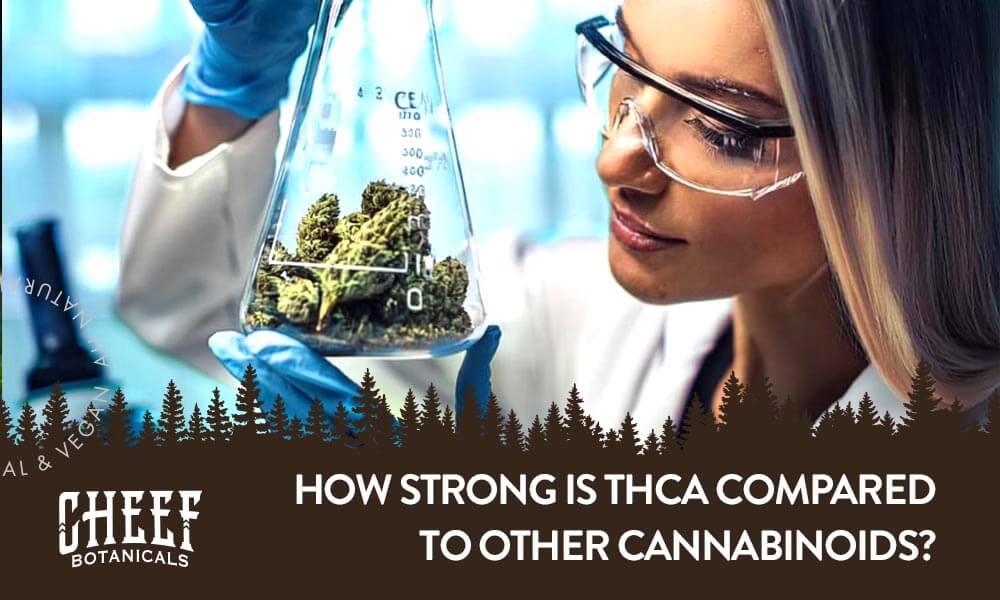
How strong is THCa? In its raw, unheated form, THCa does not produce the traditional cannabis high. Once you light it up, vape it, or heat it properly, THCa converts into Delta-9 THC and can deliver psychoactive effects. Still, the number on the label is only part of the story.
THCa percentage, product type, amount used, heating method, consumption style, and personal tolerance all help determine how hard it hits. Let’s break down THCa strength so you know what to expect from each session.
Key Highlights
- Raw versus heated. Raw THCa is non-intoxicating, while smoking, vaping, or heating converts it into Delta-9 THC, producing psychoactive effects.
- Potency varies. THCa percentage, product type, amount, heating method, tolerance, freshness, and cannabinoid profile influence its intensity.
- Conversion estimate. The formula (THCa × 0.877) + Delta-9 THC estimates potential total THC, not guaranteed real-world delivery.
- Strong flower. Flower at 20% THCa is potent, while 25% or higher is considered high-strength and deserves batch-specific verification.
What Is THCa?

THCa, short for tetrahydrocannabinolic acid, is a naturally occurring cannabinoid produced by cannabis plants. It exists in its raw form and acts as a non-psychoactive precursor to Delta-9 THC. THCa does not produce psychoactive effects until heated. This process changes how the cannabinoid interacts with the body.
THCa stands at the center of many hemp conversations because its chemical structure differs slightly from THC, yet that small difference makes a big impact. Understanding this makes product labels easier to read and interpret.
How THCa Converts to THC and Its Effects
Heat initiates the process that converts THCa into Delta-9 THC. THCa converts into Delta-9 THC when heated, producing psychoactive effects. This reaction, called decarboxylation, removes a small part of the THCa molecule, which changes its chemical structure. What's left is Delta-9 THC, the psychoactive compound responsible for the traditional cannabis high.
Smoking, vaping, and controlled heating trigger this conversion, although no method converts every molecule completely. Without enough heat, THCa remains in its non-psychoactive form. That’s why eating raw flower creates a different experience than smoking it.
Your consumption method matters because some THCa edibles already contain activated THC, while others only contain raw THCa.
How Heat Brings Out THCa’s Strength
Heat does more than activate THCa. It also influences how much THCa turns into THC. Too little heat leaves some THCa unchanged, while too much can reduce THC content and damage valuable cannabinoids and terpenes.
Each consumption method or style uses different temperatures and exposure times, so conversion varies. The product, device, and heating conditions all affect the final result, making exact THC output difficult to predict. So, how strong is THCa when smoked? The answer depends on those factors.
How Much THCa Converts to THC?
Not every bit of THCa necessarily becomes available THC during heating. The conversion rate of THCa to THC depends on several factors. Some THCa never converts, while excess heat can break down newly formed THC. The product format, device, and heating conditions all influence the final result.
The familiar 0.877 factor is derived from the chemical composition of THCa and estimates the maximum THC available after complete conversion. It is not a real-world conversion rate. That distinction helps explain THCa’s potential and why the same cannabinoid can deliver different experiences.
The Simple THCa-to-THC Formula
Want a quick estimate of potential total THC? You can use this formula:
Potential total THC = (THCa × 0.877) + existing Delta-9 THC
The 0.877 factor estimates the maximum THC available after complete conversion, not what every session actually produces. That means up to 87.7% of THCa is expected to convert into THC during decarboxylation.
For example, 20% THCa estimates about 17.5% THC, 25% estimates 21.9%, and 30% estimates 26.3%, before adding existing Delta-9 THC. A product with 25% THCa and 0.2% Delta-9 THC estimates about 22.1% total THC. Actual results vary because conversion rarely reaches 100%.
How Strong Is Raw vs Heated THCa?

Your preferred consumption method can determine THCa's strength. Raw THCa flower may contain high THCa levels without producing the traditional cannabis high. Once heat enters the picture, THCa converts into THC. Let's take a closer look at how raw and heated THCa differ and what each experience feels like.
Strength of Eating Raw THCa
THCa does not produce a high in its raw form. That's why eating raw, unheated THCa creates a different experience than consuming heated THCa. When used in edibles, THCa must first be decarboxylated to produce intoxicating effects. As a non-psychoactive cannabinoid, THCa behaves differently until heat converts it into THC.
That's one reason raw flower differs from regular THC flower or edibles containing activated THC. For responsible consumption, always review the product's formulation and Certificate of Analysis (COA) to know what to expect before choosing this method.
Strength of Decarboxylated THCa
After heating, THCa can produce strong psychoactive effects, although the experience differs from person to person. A low dose may create mild euphoria, while larger amounts often feel much stronger.
Product type, heating method, individual tolerance, and absorption all shape the outcome. That means the potential total THC from a COA is only an estimate, not a guarantee. Understanding those variables may also help reduce unexpected adverse effects.
What THCa Percentage Is Considered Strong?
In the cannabis industry, flower with 20% THCa is generally viewed as potent. Around 25% or higher often falls into the high-strength category, while 30% deserves a careful review of the batch-specific COA. These are market benchmarks, not scientific cutoffs.
Because tetrahydrocannabinolic acid, unlike THC, must first convert through heat, the THCa percentage alone cannot predict final THC levels. Calculate potential total THC and review existing Delta-9 THC for a more meaningful estimate.
How Strong Are THCa Flower and Concentrates?
THCa flower and concentrates belong in different potency categories. A flower testing at 25% THCa may be very potent, while concentrates often contain much more THCa per gram. Because concentrates are more concentrated, even a small amount can contain far more cannabinoids than the same amount of flower.
Products like diamonds, rosin, vapes, and infused pre-rolls also deliver different serving sizes. Browse Cheef Botanicals' THCa Flower and THCa Concentrates to compare current options and batch-specific COA results.
Does a Higher THCa Percentage Always Hit Harder?
Not necessarily. THCa percentage measures cannabinoid concentration, but it cannot predict exactly how a product will feel. Product format, serving size, heating method, personal tolerance, and the complete cannabinoid profile all play important roles. Terpenes shape aroma and flavor without automatically increasing intoxication.
Current cannabinoid research also suggests multiple compounds contribute to the overall experience. A well-balanced product may deliver a more satisfying session than a higher THCa percentage alone. In short, the strongest option is not always the strongest match for your preferences.
Comparing THCa Strength to Other Cannabinoids
Cannabinoids are not built for a simple strongest-to-weakest ranking. Product format, serving size, cannabinoid profile, and your goals all factor into the overall experience. Delta-9 THC offers the closest comparison because heated THCa becomes THC, and THC binds differently than cannabinoids like CBD, Delta-8, or CBN.
Is THCa Stronger Than Delta-9 THC?
No. Raw THCa is not stronger than Delta-9 THC because it does not produce the same intoxicating effects before heating. Once heated, THCa converts into Delta-9 THC, so the comparison is no longer between two different cannabinoids.
Instead, you're looking at the amount of THC that forms during decarboxylation. To compare products more accurately, review the potential total THC, product format, serving size, and COA rather than THCa alone.
THCa Strength vs CBD, Delta-8, and CBN
Comparing cannabinoids by strength alone misses the bigger picture. Each one interacts with the body differently and serves a different purpose. Heated THCa becomes Delta-9 THC, while CBD, Delta-8 THC, and CBN follow their own paths.
CBD is not intoxicating and does not produce the traditional THC high. Delta-8 THC is intoxicating, though many consumers describe it as milder than Delta-9 THC. CBN is not a direct replacement for high-THCa flower, as its effects also depend on the other cannabinoids in the product's formulation. Rather than asking which cannabinoid is the strongest, ask which one best matches the experience you want.
Related Post: THCa vs CBD: Differences and Unique Benefits Explained
Factors That Influence THCa Potency
A THCa percentage is a helpful starting point, but it is not the only factor worth checking. Lab results measure cannabinoid concentration, while actual intensity depends on several variables. Product type, serving size, heating method, tolerance, freshness, and cannabinoid profile all affect how strong a session may feel.
Strain Quality and Cannabinoid Profile
Genetics provide the foundation, but cultivation in a controlled environment, harvest timing, curing, and storage all help shape the final cannabinoid profile. A strain name alone cannot predict potency or therapeutic benefits because batches can test differently.
Terpenes contribute to aroma and flavor, yet they do not guarantee a stronger experience. THCa’s potency is harder to predict, especially if it does not come from traditional marijuana. Batch-specific lab results provide a reliable way to evaluate the consistency and cannabinoid content of hemp-derived THCa products.
Product Type and How Much You Use
A high THCa percentage does not tell you how many cannabinoids you actually consume. Concentrates contain much more THCa per gram than flower, but they are usually used in much smaller portions. Product formulas also vary. Gummies may contain raw THCa, activated THC, or cannabinoid blends, while infused pre-rolls combine flower with concentrates.
You can experience the potential health benefits of cannabis with any product type. However, keep in mind that the THC produced from heated THCa, no matter the amount, is still a controlled substance in some jurisdictions, so always check the label before use.
Methods of Consumption
How you consume THCa changes how much THC forms and how the cannabinoids reach your body. Each method works differently, so the experience can vary.
- Smoking. Smoking THCa flower triggers rapid decarboxylation, converting THCa into Delta-9 THC almost immediately. Because not every molecule converts, potency labels are only a guide.
- Vaping THCa. Temperature, device settings, and formulation all affect the vapor and the overall experience.
- Edibles. Some contain raw THCa, while others include activated THC or cannabinoid blends. Always check the label before use.
- Raw Consumption. Raw THCa is not expected to produce the traditional THC high.
Depending on the strain and whether you use infusion, you may experience mental clarity or sedative effects. Your chosen consumption method determines how quickly those effects kick in. Early research also suggests THCa may have anti-inflammatory, anti-oxidant, and neuroprotective properties. However, more research is needed to understand its potential better and confirm these findings.
Tolerance and Individual Response
Tolerance can make a big difference in how a THCa product feels. Someone with little experience may notice stronger effects from a small serving, while a regular consumer may need more to reach a similar level. Your response can also change between flower, concentrates, vapes, and edibles because each format delivers cannabinoids differently.
When trying a new product, give it enough time before taking more, especially with edibles or high-potency concentrates. If you have medical conditions, take prescription medications, or have questions about using cannabinoids, speak with a healthcare professional before use.
Freshness, Storage, and Lab Testing
Proper storage helps preserve cannabinoid and terpene quality. Keep THCa products sealed and away from heat, direct sunlight, air, and excess moisture. Some tinctures use coconut oil as a carrier, so following the package instructions is especially important.
Always review the current batch COA instead of relying on an older report. Since hemp regulations remain in the early stages of development in some areas, verifying that a product is federally legal and batch-tested provides greater confidence before purchase.
How to Check THCa Strength on a Lab Report
A COA helps you verify what's actually inside a product. Before focusing on the biggest number on the label, confirm that the report matches the batch or lot number on your package. Then review these details:
- THCa content. Flower and concentrates usually list THCa as a percentage, while packaged products often use milligrams per serving or package.
- Delta-9 THC. Check how much is already present before heating.
- Potential total THC. If the lab does not calculate it, use the formula provided earlier.
- Batch information. Make sure the report matches the product you purchased.
- Testing date. Newer reports better reflect the current batch.
- Cannabinoid profile. See how the cannabinoids compare across the sample.
- Contaminant screening. Review results for pesticides, heavy metals, microbes, and residual solvents when available.
Just a quick note: The 2018 Farm Bill legalized hemp and THCa products that contain no more than 0.3% THC on a dry-weight basis. However, not all states consider THCa legal, creating a legal gray area for certain products. Federal hemp regulations also continue to evolve, and Congress has considered legislation that could significantly restrict some hemp-derived products in the future.
Because state laws keep changing, always check your local regulations before purchasing or using THCa products. A COA verifies product contents, but it does not determine legality.
What Heated THCa May Feel Like
When heated, THCa converts into Delta-9 THC, which may produce familiar psychoactive effects such as euphoria, relaxation, and altered perception. Exactly how it feels depends on serving size, product type, cannabinoid profile, and your own tolerance.
A strain name may offer clues about aroma or genetics, but it cannot accurately predict your experience. Smoking and vaping typically produce faster effects than swallowed products. If you're trying something new, be patient before reaching for another serving. Give your body time to respond.
Strong THCa Effects, Safety, and Drug Tests
High-potency THCa products deserve a little respect. Once heated, they produce THC and may cause euphoria along with dry mouth, red eyes, dizziness, faster heart rate, reduced coordination, or uneasy thoughts. Larger servings and stronger products can increase the chance of an uncomfortable experience.
Start with a modest amount, especially if you're trying a new product or formula, and give it plenty of time before taking more. Avoid mixing multiple intoxicating cannabis products until you understand how each one affects you. Never drive or operate machinery after using heated THCa, and always store cannabis products safely away from children and pets. THC can affect coordination and judgment, and everyone's response is different.
Heated THCa also forms THC metabolites that standard drug tests commonly detect. Even raw THCa products are not considered drug-test safe because cannabinoid content varies. If testing matters, assume it could show up on a drug test.
Where to Find Strong THCa Products

Looking for exceptional THCa products? All our THCa products are carefully crafted, independently lab-tested, and backed by a batch-specific COA, so you always know exactly what you're getting. Whether you enjoy classic flower, flavorful concentrates, or grab-and-go options, we've built a lineup for every kind of cannabis enthusiast.
- THCa Flower. Choose from our popular THCa strains like Gelato, Grape Frosty, and Han Solo. Whether you prefer Indica, Sativa, or hybrid varieties, each flower is selected for quality, purity, and impressive THCa content.
- THCa Pre-Rolls. Skip the prep and light up faster with strains like Gelato, Runtz, and Sex Panther. Pick from regular, infused, or mini pre-roll options to match your session.
- THCa Vape Cartridges. Our premium THCa vape carts include favorites like Durban Poison and Blue Dream. Each 510-threaded cartridge pairs easily with a compatible battery for smooth, flavorful draws.
- THCa Disposables. Ready when you are, these convenient devices come prefilled with strains like Lemon Cherry Gelato and Berry Gelato for an easy, hassle-free experience.
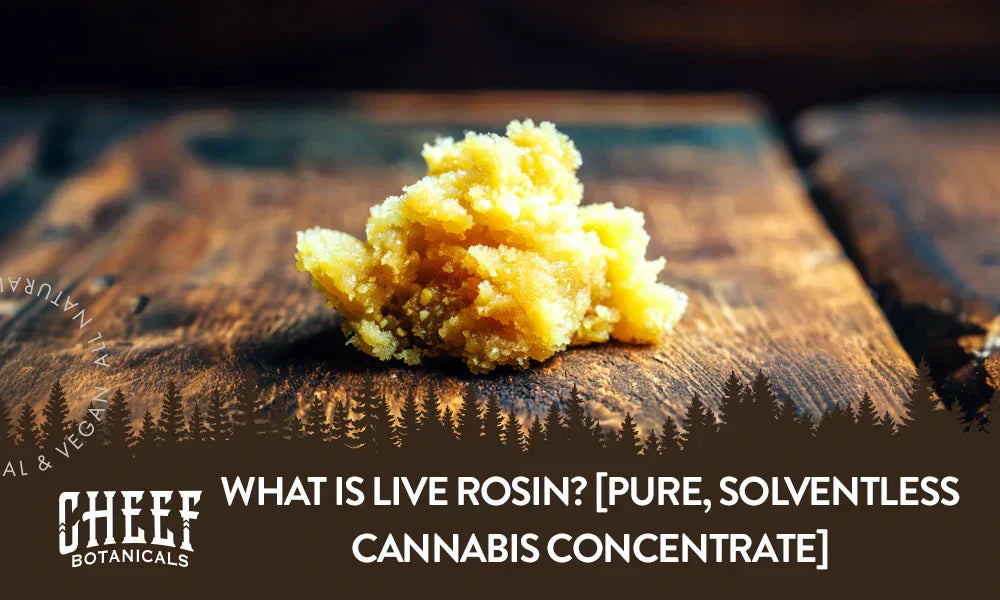
- THCa Concentrates. Craving something stronger? Check out THCa concentrate options like our solventless THCa Diamonds, crafted with over 80% THCa, or our flavorful THCa Live Rosin in Lemon Cherry Gelato.
- THCa Gummies. Or maybe you prefer a tasty, discreet option. In that case, our gummies are your go-to. They make enjoying THCa simple, convenient, and easy to fit into your routine while delivering the same commitment to quality found across our complete collection.
Frequently Asked Questions
What Is the Strongest Form of THCa?
THCa concentrates are the strongest form of THCa. Products such as THCa diamonds often contain much higher THCa concentrations than flower.
Because concentrates pack more cannabinoids into a smaller amount, they can produce much stronger effects after heating. Always review the batch-specific Certificate of Analysis (COA), start with a small serving, and choose a product that matches your experience level.
Does THCa Lose Potency Over Time?
Yes. THCa can lose potency over time if you store it improperly.
Heat, light, air, and moisture gradually break down cannabinoids and terpenes, reducing product quality. Store THCa in a sealed container away from direct sunlight and high temperatures to help preserve its potency. Always check the product's expiration date and batch information when available.
How Much THCa Is in One Gram?
The amount of THCa in one gram depends on the product's THCa percentage. Each percentage translates directly into the approximate milligrams of THCa per gram.
For example:
- 15% THCa: About 150 mg of THCa per gram
- 20% THCa: About 200 mg of THCa per gram
- 25% THCa: About 250 mg of THCa per gram
- 30% THCa: About 300 mg of THCa per gram
These values represent the amount of THCa before heating, not the final amount of THC. After decarboxylation, only a portion converts into Delta-9 THC, so the actual THC available differs from the original THCa content.
Final Thoughts on the Strength of THCa
Understanding THCa strength goes beyond reading the biggest number on the label. The experience depends on whether the product is heated, its THCa content, the product format, serving size, heating method, and your personal tolerance.
Before choosing any product, compare the batch-specific COA and review the THCa, Delta-9 THC, and potential total THC values. If you have underlying health conditions or questions about whether THCa is right for you, talk with a healthcare professional before use. Many consumers choose THCa for different reasons, but individual experiences and any perceived health benefits can vary.
Explore Cheef Botanicals' lab-tested THCa collection and find the format and potency that best match your preferences.
Discover more about THCa here.

 Watermelon OG - Top Seller
 Runtz THCa Flower - Excellent Choice
 Han Solo THCa Flower - Highly Rated
 Space Junkie THCa Flower - Good Value

Leave a comment
This site is protected by hCaptcha and the hCaptcha Privacy Policy and Terms of Service apply.