
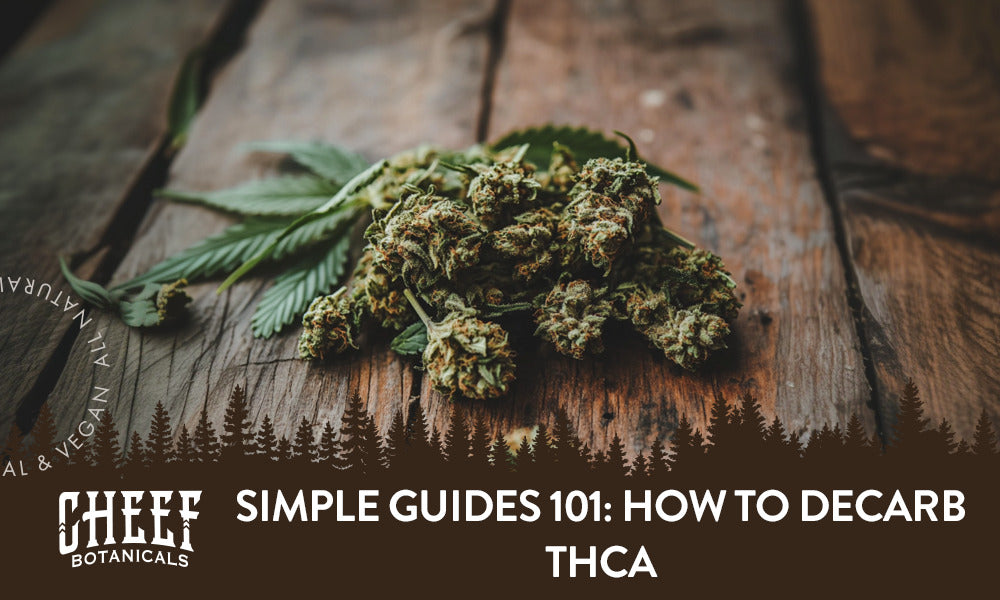
Wondering how to decarb THCa without roasting away its potency and flavor? A reliable starting point is 230°F for 30 to 40 minutes. That steady heat converts THCa into Delta-9 THC, giving your homemade edibles and infusions the activation they need.
The real craft lies in choosing the right method and controlling every degree. Oven, sous vide, and decarb machines each bring something different to the table. Below, you'll learn the timing and techniques that prevent scorching and uneven results.
Key Highlights
- Oven method: 230°F for 30–40 minutes.
- An oven thermometer confirms the actual temperature.
- Sous vide offers precise temperature control with fewer hot spots.
- THCa flower and concentrates require different preparation.
- Decarboxylated cannabis can be intoxicating, so start small.
- Color alone cannot confirm conversion or potency.
- How to decarb THCa depends on the material and equipment you have available.
What Is THCa?

THCa, short for tetrahydrocannabinolic acid, is one of the acidic cannabinoids naturally present in raw cannabis. In its unheated state, raw THCa is generally non-intoxicating. Other cannabinoids, including cannabidiolic acid, also begin in acidic forms before heat or time converts them.
When exposed to enough heat, the compound’s chemical structure changes. The THCa molecule releases carbon dioxide and loses its carboxyl group, turning THCa into Delta-9 THC. This chemical process is called decarboxylation.
Heating cannabis creates THC that binds more effectively with CB1 receptors in the brain, which helps produce intoxicating effects. However, decarboxylation does not guarantee better cannabinoid absorption.
What You Need Before You Start
Set up your workspace before the decarboxylation process begins. Having everything ready makes the process smoother and cleanup easier.
Here's what you need:
- THCa flower or a suitable concentrate
- An oven, sous vide circulator, or decarb machine
- An oven thermometer with a timer
- A clean, dry baking sheet lined with parchment paper
- A heat-safe glass or silicone container for concentrates
- Oven mitts and an airtight container for cooled material
- Optional ventilation or an air purifier for better odor control
How to Decarb THCa in an Oven
The oven offers a simple method for consumers who want to decarb tetrahydrocannabinolic acid with familiar kitchen gear. Because ovens cycle around the set temperature, an oven thermometer makes heat tracking more accurate.
- Preheat your oven to 230°F and verify the actual heat with the thermometer.
- Remove large stems, then break the cannabis flower into small, even pieces. Avoid powdery grinding.
- Line a baking sheet or baking tray with parchment paper. Spread the flower in a thin layer.
- Bake on the center rack for 30–40 minutes. Decarboxylation occurs gradually, not all at once.
- Stir gently halfway through to promote even heating and avoid burning the edges.
- Remove the tray and cool the material completely before use or storage.
Finished flower should feel dry and look slightly golden brown, with a toasted aroma. Black, charred, or ashy material signals excessive heat, so pull the tray before your batch crosses that smoky line.
How to Decarb THCa with Sous Vide

Sous vide uses a sealed bag and a controlled water bath to warm flower evenly. This slow process takes longer than oven heating, but it reduces hot spots and lowers the chance of scorching.
- Set the circulator to 203°F.
- Break the flower into small, evenly sized pieces.
- Place the material in a heat-safe sous vide bag and remove excess air.
- Seal it fully, then submerge it with a clip or weight.
- Heat for about 90 minutes, keeping the bag below the waterline.
- Dry the sealed bag and let it cool before opening.
Even heat may improve terpene preservation, but no home method keeps all terpenes intact. Moisture, equipment accuracy, and starting material still influence flavor. Keep water outside the bag, since one leak can create an unexpectedly soggy plot twist.
How to Decarb THCa with a Decarb Machine
A decarb machine handles timing and precise temperature control inside an enclosed chamber, which makes batch control hands-off. It can serve consumers who prefer repeatable results without constant watching.
- Measure the material and follow the manufacturer’s instructions for preparation.
- Keep the load between the stated minimum and maximum fill lines.
- Choose the recommended THC or THCa cycle for your material.
- Close the chamber and let the full program finish without interruption.
- Allow everything to cool before opening the chamber or storing the contents.
Machines may use different temperatures because their sensors and heating patterns vary. Unlike an oven or sous vide setup, each device follows its own programming. That little booklet knows this gadget better than any broad online recipe.
Which THCa Decarb Method Should You Choose?
The best way to decide how to decarboxylate THCa is to match the method to your budget and preferred level of supervision. Each choice offers a different balance of cost, control, and convenience.
- Oven: Choose it for low-cost access and beginner-friendly steps.
- Sous vide: Pick it for even heating when extra time is no concern.
- Decarb machine: Buy one for repeatable programs and minimal hands-on work.
No option suits everyone, so choose the setup you can use each time accurately.
Decarbing THCa Flower vs. Concentrates
Flower and concentrates respond differently to heat, so one recipe cannot cover both formats. Flower holds moisture, while concentrates may melt or bubble. Texture, potency, and surface area also affect heating. Match preparation to the product for more even results.
How to Prepare THCa Flower
To decarboxylate THCa flower evenly, remove large stems and separate the buds into small, similar pieces. Check the plant material for excess moisture and let damp flower dry before heating.
Grinding cannabis before decarbing increases surface area, but a fine powder can heat unevenly and scorch. Aim for coarse pieces instead. Spread them thinly so warm air reaches the flower.
How to Prepare THCa Concentrates
Diamonds, rosin, wax, and kief can melt or bubble during heating. Keep each concentrate in a small heat-safe glass or silicone container. Loose parchment paper may let material spread.
Read instructions and the lab report before adding heat. Some cannabis products already contain activated cannabinoids, so flower directions may be inappropriate. Extra heating can degrade THC and reduce the expected potency.
Best Temperature and Time to Decarb THCa
For flower, 230°F for 30–40 minutes offers a practical oven baseline. Timing may need adjustment for both hemp and marijuana flower based on moisture and equipment accuracy.
A lower temperature needs more time, while higher temperatures leave less room for error. Insufficient heat may leave THCa unconverted. Excessive heat can reduce potency and create undesirable flavors, so control beats rushing.
THCa Decarb Time and Temperature
The chart below offers useful reference settings, not fixed rules for every batch. Your final product can vary even when you follow the listed time and temperature exactly. Material type and moisture affect how quickly heat moves through the batch. Batch size and equipment accuracy can also alter the overall result.
|
Method |
Starting Temperature |
Starting Time |
|---|---|---|
|
Oven |
230°F |
30–40 minutes |
|
Sous vide |
203°F |
About 90 minutes |
|
Decarb machine |
Manufacturer setting |
Full programmed cycle |
Why Decarb Times Can Vary
When you decarb weed, the same oven setting does not guarantee identical timing. Moisture and piece size determine how quickly each batch warms.
Thick layers heat less evenly, while container type and batch size add more variation. Use similar pieces in one uncrowded layer. Check the actual temperature with a separate thermometer because the oven display may be slightly off.
How to Tell When THCa Is Fully Decarbed
Dry flower, a slightly darker color, and a toasted cannabis aroma suggest the process has progressed. However, these signs cannot prove the decarboxylation work is complete or reveal exact potency.
Only laboratory testing can measure how much raw THCa remains and how much THC formed. At home, verified temperature and careful timing offer much better practical guidance than appearance alone.
How Strong Will Decarbed Cannabis Flower Be?
Decarbed cannabis flower can approach its calculated THC potential, but home results usually fall below that ceiling. Estimate active THC with this formula:
Potential THC = existing THC + (THCa × 0.877)
Flower with 20% THCa and no existing THC has a theoretical maximum near 17.5% THC. The 0.877 factor reflects the mass lost when heat removes a carboxyl group from the THCa molecule as carbon dioxide.
Heating efficiency and infusion losses can lower real-world potency. Serving division adds more variation. Review the batch-specific Certificate of Analysis (COA), calculate the recipe, and portion conservatively.
What Decarbing Does to Flavor and Aroma
Terpenes are volatile aromatic compounds that shape each strain’s natural scent and flavor. Because they evaporate at different rates, prolonged or excessive heat can reduce terpene content and leave the flower tasting flat.
Gentler heating may retain more aroma, though no home method can preserve every terpene. Use enough heat for conversion without giving the batch an overly roasted finish.
Common Mistakes When Decarbing THCa
Small errors can scorch flower or flatten flavor. Keep these common decarb mistakes right off your tray:
- Trusting the oven display instead of checking it with a thermometer
- Raising the heat sharply to shorten the process
- Grinding flower into powder
- Spreading material in a thick or uneven layer
- Skipping the halfway stir during oven heating
- Using flower directions for every concentrate
- Judging potency by aroma or color alone
- Leaving heated material unattended
- Placing material on aluminum foil without preventing sticking
How to Use Decarbed THCa
After cooling, infuse the material into butter or oil for making edibles. Fat carries cannabinoids into the finished ingredient. You can also prepare cannabis infused oils, which work well in recipes that use fat.
Decarbing activates the material, while nfusing transfers its compounds into fat. Estimate the THC in the full batch before dividing servings. Homemade mixtures may distribute unevenly, so begin with a modest portion and allow effects to arrive.
How to Store Decarbed THCa
Let the material cool fully before sealing it in an airtight container. Choose an opaque jar or keep a clear one in a cool, dark place. Label it with the product name, preparation date, and estimated potency.
Limit air exposure and keep moisture away. Light and warmth can reduce quality. Since shelf life varies, check aroma and appearance before use.
Safety Tips for Decarbing and Using THCa
Hot equipment and potent material call for a calm setup. Keep avoidable trouble out of the kitchen with these habits:
- Ventilate the room; handle hot trays carefully with oven mitts.
- Watch the entire process.
- Keep THCa and infused foods away from children and pets.
- Label homemade infusions with potency and preparation date.
- Begin with a small serving, then wait through the full edible onset period.
- Never drive or operate machinery while impaired.
- Check local laws and drug-testing obligations before use.
Explore Cheef Botanicals THCa Products

Ready to turn your next THCa batch into something special? Cheef Botanicals offers eligible adults a lineup of premium flower and potent concentrates. Compare strain profiles, potency levels, and batch-specific lab reports, then choose the star of your homemade creation.
THCa Flower
Our THCa flower brings premium versatility to your ritual. Enjoy it through smoking or vaping, or decarb it first for home infusions. Featured options include Gelato (29% THCa), Grape Frosty (19.80% THCa), and Mac 1 (22.92% THCa).
Heat activates THCa during inhalation, so separate decarbing is unnecessary for those methods. Before estimating potency, review the product page and batch-specific Certificate of Analysis.
THCa Concentrates
Want a concentrate with plenty of serious firepower? Cheef THCa diamonds contain over 80% THCa, offering experienced consumers a highly concentrated format. Lemon Cherry Gelato THCa Live Rosin delivers a solventless option with smooth texture, bright citrus flavor, and terpene-rich character.
Handle each product carefully and confirm its activation status before applying heat. Follow the format-specific directions before reheating.
Why Choose Cheef Botanicals THCa Products
At Cheef Botanicals, we believe THCa should come with more than bold potency. Here’s what you can expect from us:
- High-quality cannabis from USA-grown hemp plants
- Hand-trimmed THCa strains
- Carefully crafted THCp products
- No artificial colors or flavors
- Less than 0.3% Delta-9 THC by dry weight
- Made in the USA
- Certified third-party testing with accessible COAs
- A clear commitment to quality and customer satisfaction
Frequently Asked Questions About Decarbing THCa
Can you decarb THCa without an oven?
Yes. A sous vide circulator or dedicated decarb machine can provide controlled heating. A slow cooker works better for some infusion methods and offers less temperature control.
Does THCa smell while decarbing?
Usually. Sealed sous vide bags can contain some aroma, while enclosed machines may do the same. A heat-rated mason jar may also reduce odor, but follow jar-specific directions. Sudden temperature swings can crack glass, so handle it carefully and ventilate the room.
Can you decarb THCa concentrates?
Yes. Diamonds, rosin, wax, and kief may need different containers or timing. Check the product information first because some concentrates already contain activated cannabinoids.
Can you decarb THCa twice?
Technically, yes, but extra heat is rarely helpful. Reheating can reduce aroma, flavor, or potency, especially if the first cycle already activated the material.
How long is decarbed THCa fresh?
No single shelf life applies to every batch. Cool, dark, airtight storage can protect quality longer. Oxygen, moisture, and the starting material determine how quickly the batch loses aroma or strength.
Final Thoughts on How to Decarb THCa
Knowing how to decarboxylate THCa gives you more control over homemade infusions. For flower, 230°F for 30–40 minutes is a practical oven baseline. Sous vide offers steadier heating, while a decarb machine handles the timing with less supervision.
Whatever method earns a place in your kitchen, verify the temperature and avoid excessive heat. The finished material can be intoxicating, so portion it with care. Careful preparation can protect flavor and make potency estimates more useful.
Discover more about THCa through these guides.

 Watermelon OG - Top Seller
 Runtz THCa Flower - Excellent Choice
 Han Solo THCa Flower - Highly Rated
 Space Junkie THCa Flower - Good Value

Leave a comment
This site is protected by hCaptcha and the hCaptcha Privacy Policy and Terms of Service apply.